Thousands of patients waiting over 24 hours in A&E corridor care
Thousands of patients in England are experiencing prolonged delays and receiving clinical care in public corridors due to severe bed shortages.
- Core Development: Thousands of patients in England are experiencing prolonged delays and receiving clinical care in public corridors due to severe bed shortages.
- Beat Context: Categorized under NHS with independent corroboration.
- Reporting Depth: 4 minute analytical read synthesized from verified newsroom sources.
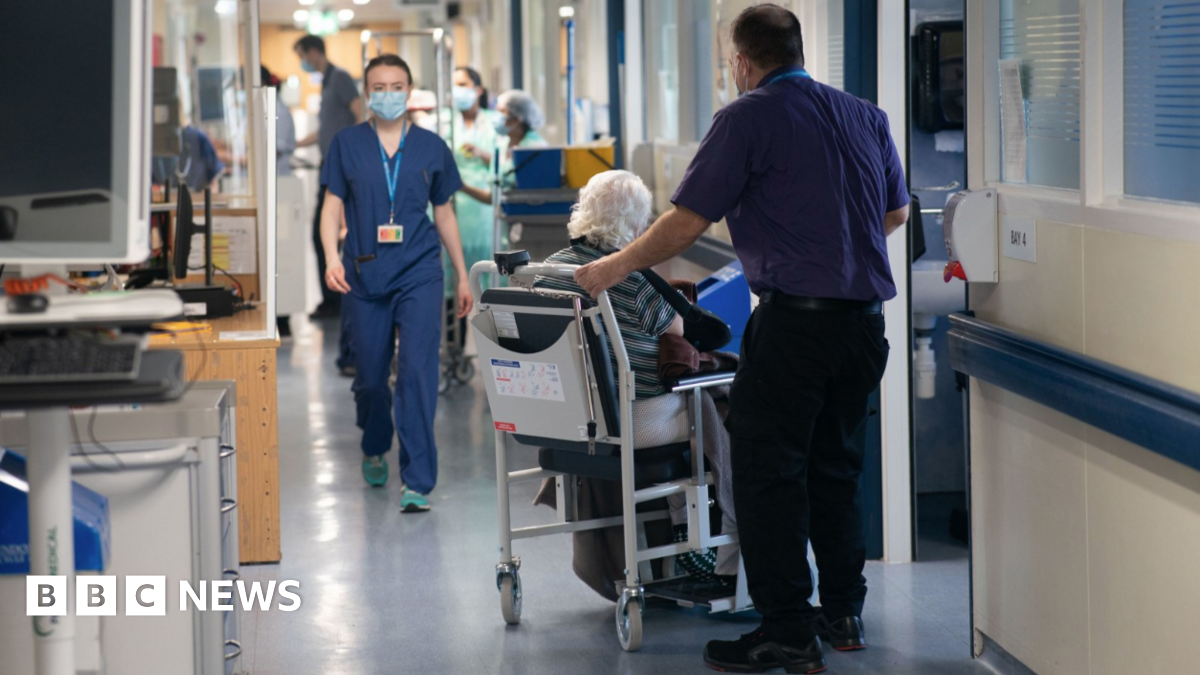
Thousands of patients across England are experiencing prolonged delays and indignities as acute hospitals struggle with severe bed shortages, forcing vulnerable individuals to receive clinical care in public corridors. An investigation has laid bare the mounting pressure on the National Health Service, revealing that tens of thousands of people are stuck waiting extraordinarily long periods for admittance to hospital wards after clinicians decide they need inpatient care.
The practice, commonly known as corridor care, leaves patients lining up on trolleys or sitting on chairs in emergency departments because physical beds are unavailable upstairs. According to data reported by the BBC, more than 52,000 patients waited over 24 hours after a decision to admit was made at hospital trusts in north-west England over the course of the year. Within that total, individuals also waited longer than 48 hours for a proper ward bed.
Media additions


The figures represent a dramatic shift from historical standards. Medical leaders note that waits exceeding 12 hours were once viewed as unusual anomalies. However, the proportion of patients facing extended delays has ballooned significantly. While winter pressures often take the blame, investigations demonstrate that thousands of these extreme delays occur during warmer months, confirming that the crisis persists year-round.
The human toll on patients and staff has drawn severe condemnation. Nursing representatives and emergency physicians have expressed deep alarm over the physical and psychological toll. Simon Browes, the Royal College of Nursing's regional director, warned that staff go to work feeling anxious and upset because they cannot deliver the standard of care they strive for. Families have reported instances where patients suffered severe discomfort and a total loss of dignity due to a lack of basic facilities in corridor-bound holding areas.
Medical bodies have pulled no punches in their assessment of the state of emergency care. The Royal College of Emergency Medicine characterized the nationwide situation as a national shame, while the nursing union designated it a national emergency. Beyond emergency departments, wider service pressures remain acute. Related reporting from The Herald highlights that hospitals across regions continue to miss crucial waiting time targets for outpatient appointments, cancer care, and routine inpatient treatments, with high bed occupancy compounding patient flow blockages.
Compounding the crisis, historical analyses underscore that elective waiting lists and cancelled operations have long plagued the broader healthcare framework. Research published by The Guardian detailed how tens of thousands of patients faced lengthy waits for routine surgery, with thousands of operations canceled on the day due to bed and equipment shortages. Furthermore, vulnerable cohorts such as homeless individuals face compounding barriers. As documented by the British Medical Association, rough sleepers experiencing complex health needs frequently cycle through emergency departments, highlighting the severe consequences of fragmented social and community care.
| Metric / Region | Historical / Baseline Figure | Recent Peak / Total Figure |
|---|---|---|
| North-West England 24+ hour A&E waits | Rarely tracked at scale previously | 52,015 patients over a one-year period |
| North-West England 48+ hour A&E waits | N/A | 6,893 patients |
| 12-hour bed wait proportion (North-West) | 0.2% (December 2018) | Nearly 18% (December 2025) |
Health officials maintain that the system is grappling with unprecedented challenges. Dr Michael Gregory, regional medical director for NHS England in the North West, acknowledged that providing care in corridors falls short of ideal standards. He attributed the strain to an aging population presenting with multiple complex health conditions alongside surging general demand.
Structural bottlenecks extend far beyond hospital walls. A primary driver remains the social care crisis, which leaves older and frail patients trapped in hospital beds for days or weeks because suitable community care packages cannot be arranged. Public health experts also point to historical reductions in overall bed capacity compared to previous decades, leaving trusts with little resilience to absorb surges in acute admissions.
What to Watch Next
- Monitoring official performance metrics and monthly waiting time publications from health authorities.
- Tracking the government's stated pledge to eliminate corridor care by the end of the current parliamentary term in 2029.
- Observing local trust implementation of specialized multi-disciplinary discharge teams and community care alternatives.
As frontline personnel continue to manage relentless patient inflows, healthcare advocates insist that sustainable recovery requires integrated cross-sector investment. Without radical structural reform in social support, community provision, and core bed capacity, patients and staff will continue bearing the brunt of an overstretched system.
How significant is this development?
Contribute your assessment to the aggregated reader sentiment ledger.
Frequently Asked Questions
Key questions answered in this reportWhat is the key development in: Thousands of patients waiting over 24 hours in A&E corridor care?
Thousands of patients in England are experiencing prolonged delays and receiving clinical care in public corridors due to severe bed shortages.
Why is this NHS development significant for the UK?
This report covers critical events in our NHS beat. Independent reporting monitors related UK statements, regulatory shifts, and public responses as further verified details emerge.
How was this reporting corroborated and verified?
Newsarchy UK compiles and cross-references reporting from primary reporting from Daily Mail and cross-checked wire reports. All coverage adheres to published editorial standards.
When was this report published?
This briefing was published on October 22, 2026 and is permanently cataloged in the Newsarchy UK NHS archives.