Covid inquiry rejects claim of protective ring around UK care homes
A landmark UK Covid-19 Inquiry report has rejected ministerial claims of a protective ring around care homes, exposing systemic neglect and over 43,000 virus deaths.
- Core Development: A landmark UK Covid-19 Inquiry report has rejected ministerial claims of a protective ring around care homes, exposing systemic neglect and over 43,000 virus deaths.
- Beat Context: Categorized under NHS with independent corroboration.
- Reporting Depth: 3 minute analytical read synthesized from verified newsroom sources.
A landmark public inquiry report has dismantled central ministerial assertions about pandemic protections, concluding that claims of a robust protective ring thrown around care facilities at the onset of the health emergency were entirely unfounded. The findings mark a critical juncture in the ongoing official scrutiny of the nation's public health management, shifting attention sharply toward structural neglect and policy missteps that left residential social care exposed as the pathogen swept across the UK.
The sixth report from the UK Covid-19 Inquiry, led by Baroness Heather Hallett, details how the adult social care sector functioned effectively as a secondary priority while public messaging centered heavily on protecting the NHS. According to findings reported by Lbc, the overriding focus of both national administrations and devolved governments during the critical initial weeks was preserving hospital capacity. This strategy drove the rapid discharge of patients from hospitals into residential care facilities to free up beds, frequently executed without mandatory testing or adequate isolation requirements.
Media additions


The consequences were immediate and severe. Between March and April 2020, tens of thousands of individuals moved from acute hospital settings into residential care homes. According to coverage by Yahoo News, guidance requiring the isolation of incoming residents was notably absent during those crucial early weeks in England, Wales, and Northern Ireland. Lacking proper personal protective equipment, care staff resorted to desperate measures, utilizing festival ponchos, painters' overalls, and household bin bags as makeshift barriers against infection.
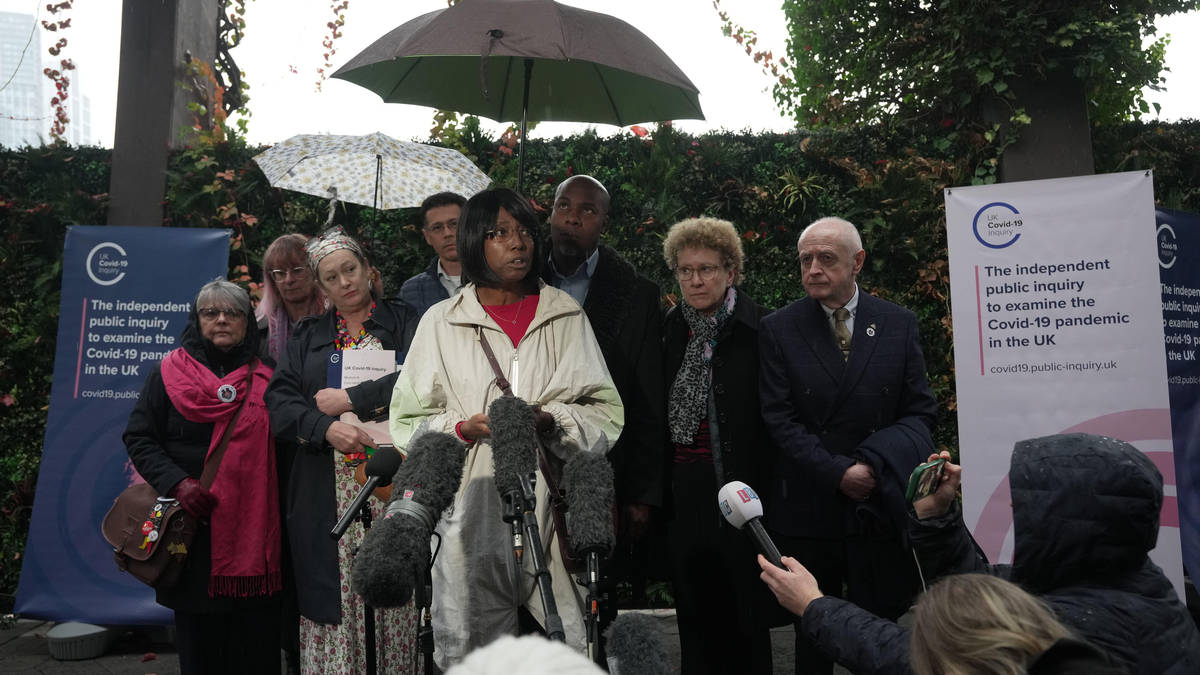
Campaign groups and bereaved relatives expressed intense fury over the report's conclusions. Representatives for the Covid-19 Bereaved Families for Justice group issued a scathing public statement branding former health secretary Matt Hancock’s repeated assertions of a protective ring as a cruel falsehood. As highlighted by The Independent, families detailed harrowing accounts of relatives dying alone, isolated behind glass windows, and denied final physical contact due to strict visiting bans that transformed residential facilities into environments resembling secure institutions.
| Metric / Phase | Reported Figure or Context |
|---|---|
| Total Care Home Deaths | Over 43,000 deaths involving Covid-19 in UK care homes (March 2020 – July 2022) |
| Early Hospital Discharges | More than 35,000 people discharged from hospitals into care homes (March – April 2020) |
| Inquiry Cost to Date | Over £122 million responding to the probe, alongside an estimated £200 million for the inquiry itself |
| Inquiry Recommendations | Eight core recommendations issued by the chair relating to future pandemic planning |
Professional bodies echoed the inquiry's damning assessment of systemic underfunding. Professor Nicola Ranger, general secretary and chief executive of the Royal College of Nursing, noted via The Independent that the social care workforce entered the health crisis already severely depleted by chronic staff shortages and real-term funding reductions. This structural vulnerability meant that viral transmission spread rapidly through communal spaces.
Prime Minister Andy Burnham affirmed a commitment to examining the findings thoroughly to build an actionable preparedness framework for any future public health emergencies, pointing toward long-term visions for integrated care services. Meanwhile, expert commentary in academic evaluations, such as analysis published via BMJ Blogs, emphasizes that the crisis exposed decades of political neglect that left community services exceptionally fragile.
The public inquiry continues its extensive investigation into the national handling of the pandemic. Following the release of the adult social care findings, the next major milestone will arrive next month with the publication of the seventh inquiry report focusing on testing, tracing, and isolation protocols. Final evaluations from the overarching inquiry are anticipated in the first half of 2027.
How significant is this development?
Contribute your assessment to the aggregated reader sentiment ledger.
Frequently Asked Questions
Key questions answered in this reportWhat is the key development in: Covid inquiry rejects claim of protective ring around UK care homes?
A landmark UK Covid-19 Inquiry report has rejected ministerial claims of a protective ring around care homes, exposing systemic neglect and over 43,000 virus deaths.
Why is this NHS development significant for the UK?
This report covers critical events in our NHS beat. Independent reporting monitors related UK statements, regulatory shifts, and public responses as further verified details emerge.
How was this reporting corroborated and verified?
Newsarchy UK compiles and cross-references reporting from primary reporting from yahoo.com and cross-checked wire reports. All coverage adheres to published editorial standards.
When was this report published?
This briefing was published on October 20, 2026 and is permanently cataloged in the Newsarchy UK NHS archives.