Thousands in England denied life-extending prostate cancer drug
Thousands of men in England will gain access to the hormone therapy abiraterone for non-metastatic, high-risk prostate cancer starting in January 2026.
- Core Development: Thousands of men in England will gain access to the hormone therapy abiraterone for non-metastatic, high-risk prostate cancer starting in January 2026.
- Beat Context: Categorized under NHS with independent corroboration.
- Reporting Depth: 3 minute analytical read synthesized from verified newsroom sources.
Thousands of men across England are set to gain access to a life-extending prostate cancer drug following a prolonged period of restricted availability that left many patients forced to self-fund their own care. As of early January 2026, NHS England has confirmed it will begin offering the hormone therapy abiraterone to patients with non-metastatic, high-risk prostate cancer, correcting a discrepancy that had seen the treatment widely available in Scotland and Wales for years.
The policy change comes after a protracted campaign by medical experts and charities, including Prostate Cancer UK, who argued that thousands of men were being denied access to a treatment capable of significantly improving survival rates. While abiraterone has long been approved for advanced, metastatic prostate cancer in England, it was not routinely funded for those at an earlier, albeit aggressive, stage of the disease.
Media additions


The Impact of Delayed Access
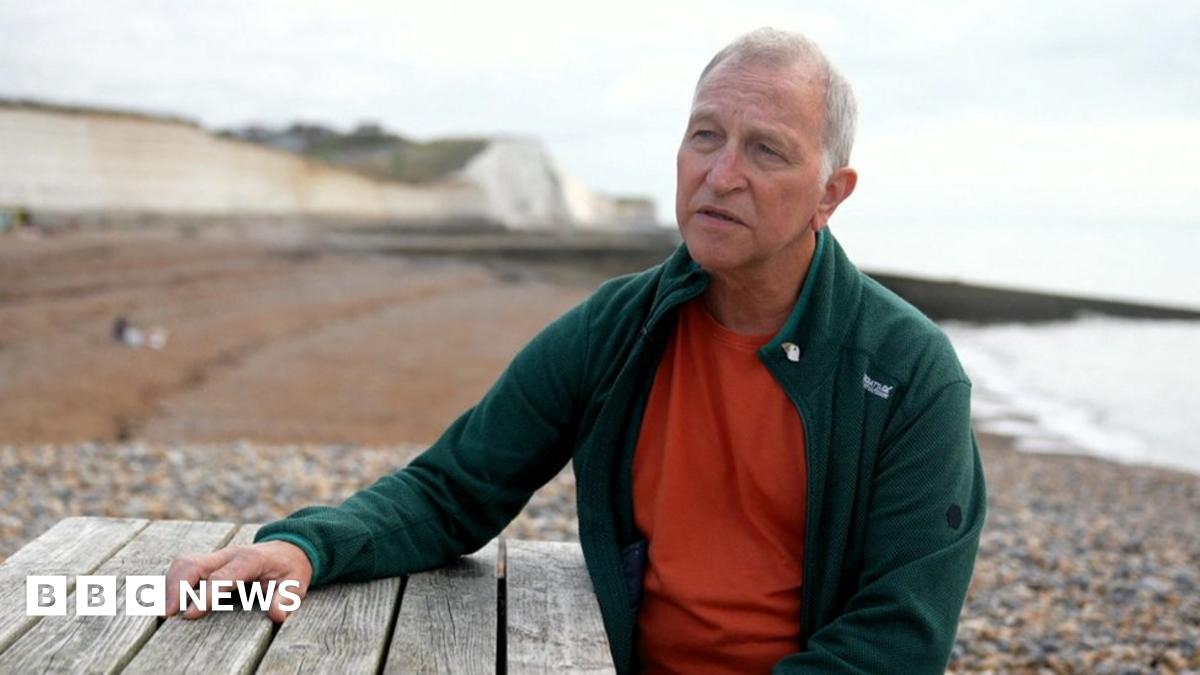
For many, the delay in approval created a "postcode lottery." Patients in England were forced to navigate a difficult path if they wished to access the drug before their cancer spread. For some, this meant thousands of pounds in private out-of-pocket expenses. Giles Turner, a patient from Sussex, described his experience as a battle against bureaucracy, noting that he spent roughly £20,000 on the medication after being diagnosed with high-risk, locally advanced prostate cancer in March 2023. Another patient, Keith ter Braak, reported spending £88,000 to access the treatment privately. Critics pointed out that the drug became significantly more affordable after its patent expired in 2022, causing its price to drop to roughly £77 per pack, yet funding remained stalled due to what campaigners termed "stagnant bureaucratic processes."
Timeline of Development
- 2022: The abiraterone patent expires, turning it into a generic, low-cost medication.
- 2023: Scotland and Wales approve the drug for patients with non-metastatic, high-risk disease; England restricts usage to advanced cases.
- May 2024: A clinically-led review identifies expanding access to abiraterone as a top priority for NHS England.
- January 2026: NHS England confirms the national rollout of abiraterone for eligible patients whose cancer has not yet spread.
The Shift in Treatment Strategy
The decision to widen access follows findings from the long-running STAMPEDE trial, which demonstrated that adding abiraterone to standard hormone therapy and radiotherapy can halve the risk of cancer progression in certain high-risk groups. Professor Peter Johnson, National Clinical Director for Cancer at NHS England, noted that the treatment is intended to keep the disease at bay for several years. NHS England estimates that approximately 2,000 men diagnosed in the preceding three months will now be eligible for the drug, with an additional 7,000 men expected to be newly eligible each year.
Recent research has further refined how the drug is deployed. Scientists at the Institute of Cancer Research and University College London found that using AI to analyze biopsy samples can identify the men most likely to respond to the treatment.
What Happens Next
The NHS has stated that the drug will be available within weeks. Health and Social Care Secretary Wes Streeting stated that the government is "backing the best clinical evidence" and that the move is designed to ensure patients receive care "when they need it most."
Despite this resolution, experts remain concerned about the time taken to implement the change. Professor Nick James, a leading oncologist at The Royal Marsden, has previously characterized the delays as "very distressing," noting that while the drug is now considered affordable, the window for intervention in high-risk patients is often narrow. Moving forward, the health service aims to continue increasing the use of generic and biosimilar drugs to free up resources for other clinical priorities. Patients awaiting treatment should consult their local oncology teams to determine their eligibility under the new national commissioning policy.
How significant is this development?
Contribute your assessment to the aggregated reader sentiment ledger.
Frequently Asked Questions
Key questions answered in this reportWhat is the key development in: Thousands in England denied life-extending prostate cancer drug?
Thousands of men in England will gain access to the hormone therapy abiraterone for non-metastatic, high-risk prostate cancer starting in January 2026.
Why is this NHS development significant for the UK?
This report covers critical events in our NHS beat. Independent reporting monitors related UK statements, regulatory shifts, and public responses as further verified details emerge.
How was this reporting corroborated and verified?
Newsarchy UK compiles and cross-references reporting from primary reporting from bbc.co.uk and cross-checked wire reports. All coverage adheres to published editorial standards.
When was this report published?
This briefing was published on July 5, 2026 and is permanently cataloged in the Newsarchy UK NHS archives.