OpenAI in early talks to give US government a 5% equity stake
OpenAI CEO Sam Altman has discussed a proposal to allocate a 5% equity position in the company to the U.S. government to help share the upside of AI.
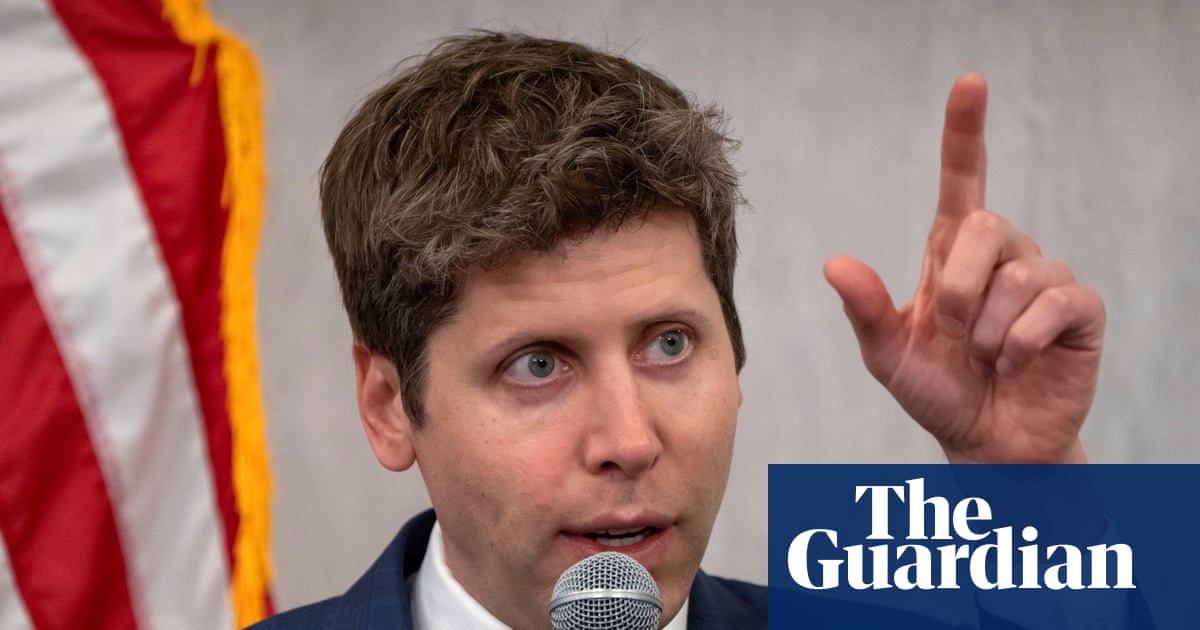
- Core Development: OpenAI CEO Sam Altman has discussed a proposal to allocate a 5% equity position in the company to the U.S. government to help share the upside of AI.
- Beat Context: Categorized under Business with independent corroboration.
- Reporting Depth: 3 minute analytical read synthesized from verified newsroom sources.
OpenAI has moved from private brainstorming to formal dialogue with the Trump administration, proposing that the United States take a 5% equity position in the ChatGPT maker.
The idea first surfaced in an Financial Post report that cited two people familiar with the talks. Both OpenAI’s chief executive, Sam Altman, and senior officials from the administration have been quoted as saying the arrangement would “share the upside of AI” with the public. The Financial Times, echoed by The Guardian and CoinDesk, described the talks as “early” and “conceptual,” noting that any final structure would likely need an act of Congress.
Media additions
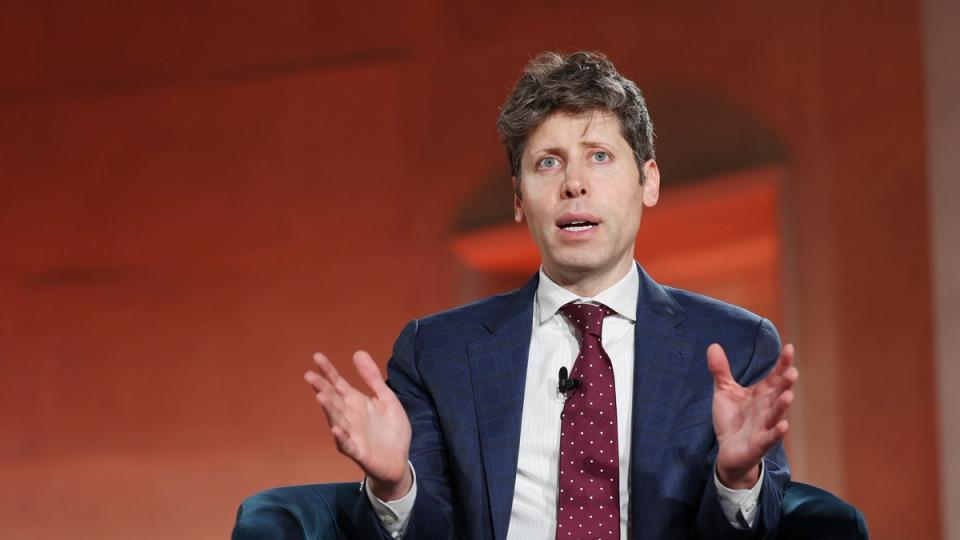

Altman’s pitch mirrors proposals he and other OpenAI leaders have floated since April 2026, when the company released a policy paper advocating a “Public Wealth Fund” that would give every citizen a stake in AI‑driven growth. The paper likened AI’s impact to the Industrial Revolution and argued for a new mechanism to distribute the resulting wealth. That same month, OpenAI said a public wealth vehicle could “provide every citizen – including those not invested in financial markets – with a stake in AI‑driven economic growth.”
In practice, the plan would see OpenAI and, potentially, other leading US AI firms such as Anthropic, Google and Meta allocate a similar slice of equity to an investment trust modelled on Alaska’s Permanent Fund. The Alaska model invests oil‑derived revenue into a diversified portfolio and pays out annual dividends to state residents. OpenAI’s executives have suggested that a comparable fund could be seeded with the 5% equity portion, allowing the returns to flow to all Americans.
The timing of the proposal aligns with heightened regulatory scrutiny of advanced models. In recent weeks the White House has asked OpenAI to limit the rollout of its upcoming GPT‑5.6 model to a small set of government‑approved partners, and Anthropic briefly halted access to a new model after a national‑security order. Both firms are also preparing for US stock‑market listings that could value them at more than $1 trillion.
Money matters. The firm’s most recent funding round in March placed its valuation at about $852 billion. A 5% interest would therefore be worth roughly $42.6 billion – “a sum larger than the GDP of most small nations,” according to Cryptobriefing. For comparison, the US government’s 10% stake in Intel earlier this year was valued at $8.9 billion.
Key players in the discussion include President Donald Trump, who has publicly floated concepts where “pieces could be given to the American public,” Commerce Secretary Howard Lutnick and Treasury Secretary Scott Bessent, who have met with Altman according to the Financial Times. Altman has also spoken with Democratic Senator Bernie Sanders, who has championed a far more expansive version – a one‑time 50% tax on AI‑company stock that would fund a sovereign‑wealth‑style fund.
Opposition and uncertainty remain. While OpenAI and Anthropic have signalled willingness to cooperate with regulators, the reports stress that the proposal “could require an act of Congress to implement” and that it is unclear whether other AI companies would “agree to do so.” The notion of a mandatory equity contribution has not been mandated by law; it would be a voluntary donation, according to the sources.
Key timeline
- Early 2025 – Initial conversations between OpenAI and the Trump administration begin, as reported by multiple outlets.
- April 2026 – OpenAI publishes its public‑wealth fund policy document, framing the equity‑donation idea.
- June 2026 – OpenAI files confidential draft IPO paperwork with the SEC; talks with the administration described as “conceptual.”
- 2 July 2026 – The Financial Times story, reproduced by The Guardian, CoinDesk, and others, brings the proposal to public attention.
What to watch next
- Any formal announcement from OpenAI or the White House confirming the equity‑donation structure.
- Congressional deliberations on whether legislation will be required to allow a government equity stake in a private tech firm.
- Responses from other AI companies – Anthropic, Google, Meta – on whether they will join a public‑wealth fund.
- Further policy statements from Senator Sanders or other lawmakers on alternative wealth‑distribution mechanisms.
- Regulatory outcomes for OpenAI’s upcoming model releases, particularly GPT‑5.6.
How significant is this development?
Contribute your assessment to the aggregated reader sentiment ledger.
Frequently Asked Questions
Key questions answered in this reportWhat is the key development in: OpenAI in early talks to give US government a 5% equity stake?
OpenAI CEO Sam Altman has discussed a proposal to allocate a 5% equity position in the company to the U.S. government to help share the upside of AI.
Why is this Business development significant for the UK?
This report covers critical events in our Business beat. Independent reporting monitors related UK statements, regulatory shifts, and public responses as further verified details emerge.
How was this reporting corroborated and verified?
Newsarchy UK compiles and cross-references reporting from primary reporting from theguardian.com and cross-checked wire reports. All coverage adheres to published editorial standards.
When was this report published?
This briefing was published on July 2, 2026 and is permanently cataloged in the Newsarchy UK Business archives.