NHS waiting list drops to two‑year low as doctors plan strike
The NHS waiting list reached its lowest level since March 2023, though health officials and leaders caution that a five-day strike may jeopardize gains.
- Core Development: The NHS waiting list reached its lowest level since March 2023, though health officials and leaders caution that a five-day strike may jeopardize gains.
- Beat Context: Categorized under NHS with independent corroboration.
- Reporting Depth: 4 minute analytical read synthesized from verified newsroom sources.
The routine‑treatment backlog in England fell to 7.36 million pending procedures at the end of May, the lowest level since March 2023. The dip arrives just days before resident doctors are slated to walk out for five days from 25 July, a move the government warns could erase the fragile progress.
How the numbers shifted
National data show the waiting list has been on a steady decline since August 2024, after peaking at 7.77 million treatments in September 2023. By the end of April the list stood at 7.39 million, a fall of 30 000 on the previous month and the first April reduction in 17 years – the first such dip since 2008, according to NHS England.
Media additions


May’s figures slipped a further 30 000 to 7.36 million treatments, representing just under 6.23 million patients. The proportion of patients seen within 18 weeks remained at 60.9 per cent, well below the government’s target of 92 per cent by March 2029 and 65 per cent by March 2026.
Behind the numbers, hospitals delivered an extra 1.45 million treatments in April – roughly 72 500 planned procedures each day, a 3 per cent rise on the previous year. May set a record of 75 009 planned treatments per working day, according to the Mirror.
The surge in diagnostics helped drive the decline. May saw a “busiest month ever” for tests and checks, with 2.5 million carried out – a 23 per cent jump on the pre‑pandemic May 2019 baseline. Community Diagnostic Hubs contributed almost half a million checks in April, lifting the total to 2.4 million checks that month.
Emergency services felt the pressure too. May recorded the second‑busiest month ever in A&E with 2,395,886 attendances – an average of 77,287 per day, 10 per cent higher than May 2019. Yet the four‑hour admission rate rose to 75.4 per cent, the highest in six years.
Staff effort and reform drive
"These figures show NHS staff are working flat out to deliver more care to patients, with waiting lists falling and tests, checks and treatments soaring despite record levels of demand."
Daniel Elkeles, chief executive, NHS Providers, via Yahoo News
Elkeles warned that a full five‑day walkout would jeopardise the hard‑won progress. Meghana Pandit, NHS England’s co‑national medical director for secondary care, praised the “hard work of our staff” and said the April dip “suggests that reform and the hard work of our staff is helping to buck the seasonal trend”.
Industrial dispute and pay talks
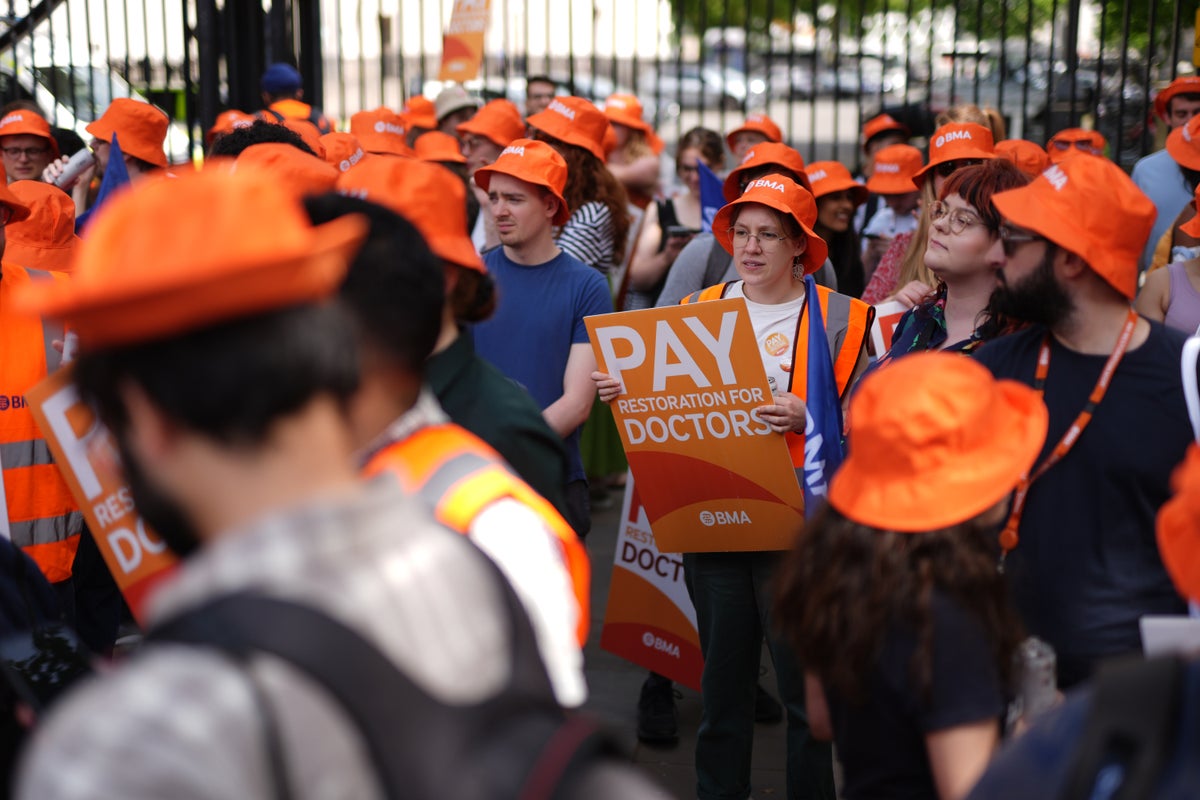
The British Medical Association (BMA) has announced a five‑day strike starting 25 July over the government’s refusal to award them the 29 per cent pay increase they are demanding. The BMA’s current pay demand would need resident doctors’ salaries to rise by 26 per cent on 2025-26, and 29 per cent on 2024-25, but it said this could be achieved over a number of years.
Health Secretary Wes Streeting said the fall in the waiting list “is not a coincidence”, arguing it reflects government action to “finally get our NHS moving in the right direction”. He added the recovery “is only just beginning, and it is fragile”, urging the BMA to abandon the strike.
"No trade union in British history has seen its members receive a 28.9% pay rise only to immediately respond with strikes, and the majority of BMA resident doctors didn’t vote to strike. It’s completely unreasonable."
Wes Streeting, via Mirror
In response, BMA council chair Dr Tom Dolphin said the recent progress “is due to the hard work, dedication and commitment of doctors and their colleagues” and called for “restoring doctors’ pay and value” to avoid losing more days to industrial action.
Cancer targets slip amid overall gains
While elective waits improved, cancer‑care metrics showed a modest decline. In May, 74.8 per cent of patients urgently referred for suspected cancer were diagnosed or ruled out within 28 days, down from 76.7 per cent in April. The proportion receiving definitive treatment within 62 days fell to 67.8 per cent from 69.9 per cent the month before. Both figures sit below the government’s March 2026 targets of 80 per cent for the diagnostic window and 75 per cent for treatment within 62 days.
Wider system pressures
Dr Tim Cooksley, president of the Society for Acute Medicine, highlighted rising 12‑hour waits in emergency departments and flagged a shortage of social‑care capacity that delays patient discharge and blocks new admissions. The Nuffield Trust’s Sarah Scobie warned that “the government has grand ambitions for the NHS over the next decade, but today’s data underlines just how difficult it will be to meet waiting list pledges alongside deeper reforms”.
Rory Deighton, acute director at the NHS Confederation, warned that the strike could see “tens of thousands of appointments cancelled” as staff are diverted to cover gaps, echoing concerns that the ambitious targets remain “a long way off”.
What to watch next
- 25 July – Resident‑doctor strike begins, lasting five days.
How significant is this development?
Contribute your assessment to the aggregated reader sentiment ledger.
Frequently Asked Questions
Key questions answered in this reportWhat is the key development in: NHS waiting list drops to two‑year low as doctors plan strike?
The NHS waiting list reached its lowest level since March 2023, though health officials and leaders caution that a five-day strike may jeopardize gains.
Why is this NHS development significant for the UK?
This report covers critical events in our NHS beat. Independent reporting monitors related UK statements, regulatory shifts, and public responses as further verified details emerge.
How was this reporting corroborated and verified?
Newsarchy UK compiles and cross-references reporting from primary reporting from newsbreak.com and cross-checked wire reports. All coverage adheres to published editorial standards.
When was this report published?
This briefing was published on July 9, 2026 and is permanently cataloged in the Newsarchy UK NHS archives.