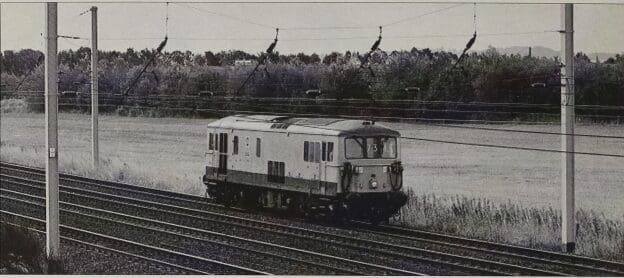
RMT union strike set to cripple CrossCountry rail services over bank holiday
A nationwide RMT walkout is set to shut down CrossCountry trains, compounding travel challenges alongside heavy road traffic and national engineering works.
- Core Development: A nationwide RMT walkout is set to shut down CrossCountry trains, compounding travel challenges alongside heavy road traffic and national engineering works.
- Beat Context: Categorized under Transport with independent corroboration.
- Reporting Depth: 5 minute analytical read synthesized from verified newsroom sources.
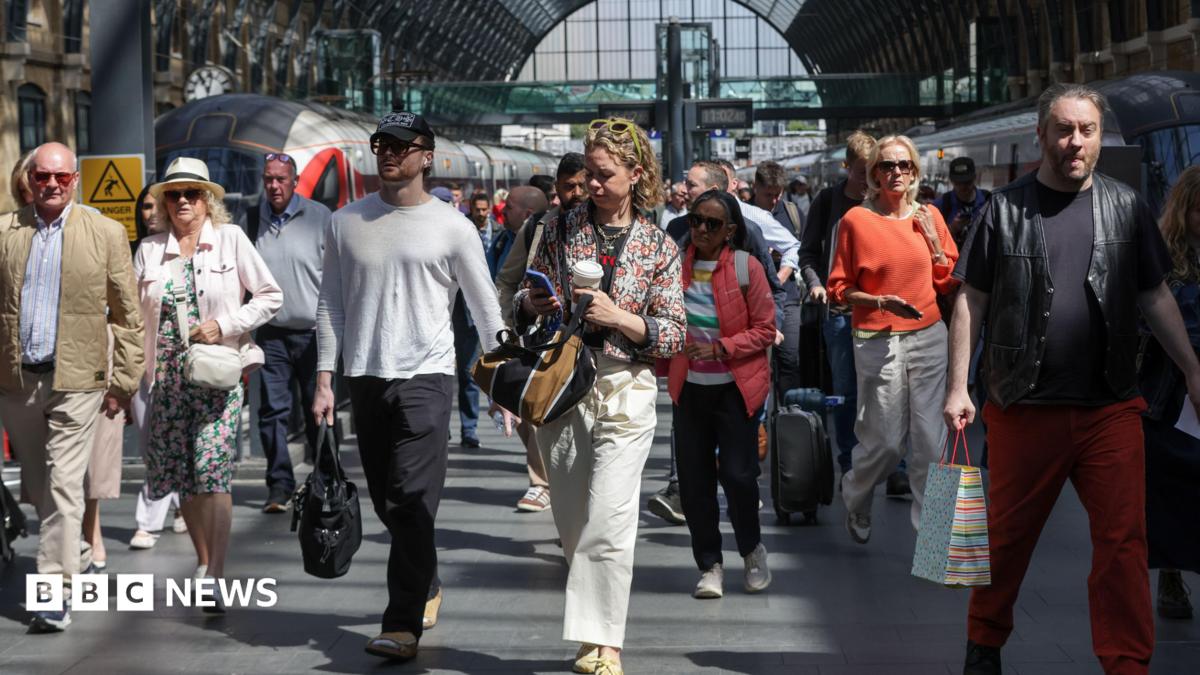
From Saturday 26 August the RMT‑led walkout will wipe out CrossCountry trains on the nation‑wide bank‑holiday weekend, a development that threatens to strand festival‑goers, holidaymakers and commuters just as the country prepares for one of the busiest travel periods of the year. The timing — coinciding with a surge of road traffic and major engineering works — means the disruption will ripple across rail, road and air networks, amplifying the challenges for the estimated millions planning trips.
Why the strike matters now
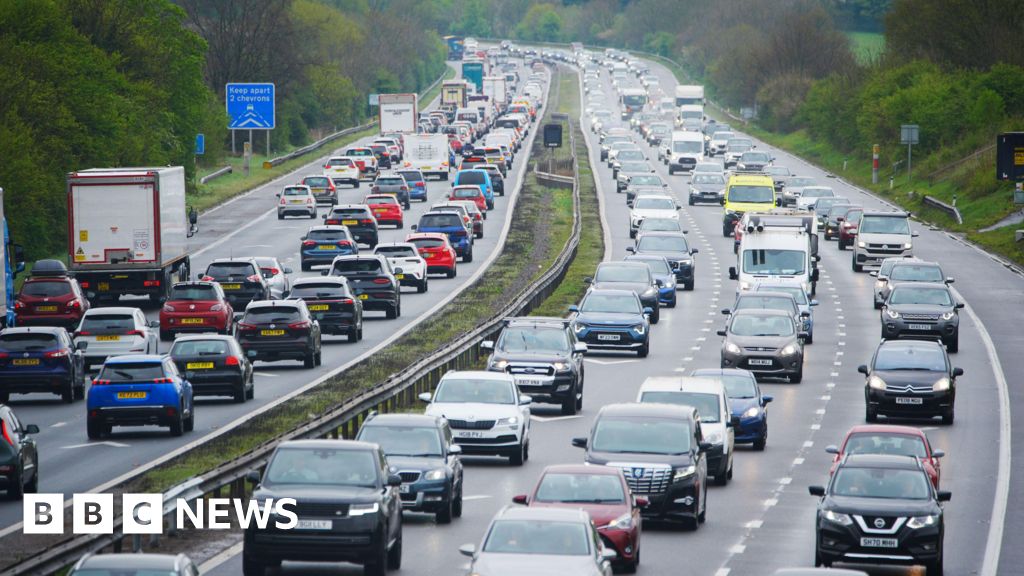
CrossCountry operates the long‑distance corridor from Aberdeen to Cornwall, linking major cities such as Birmingham, Leicester, Derby and Nottingham. A full shutdown on Saturday, coupled with limited services on Sunday and a curtailed timetable on Monday, will sever these links when the bank holiday is expected to draw record car journeys. The RAC forecasts up to 17.6 million getaway trips by car between Friday and Monday, with 3 million alone projected for Friday. With roads already forecast to choke at key points, especially the M5 between Bristol and Devon, the loss of rail capacity pushes even more motorists onto already‑congested highways.
Media additions

The strike in detail
According to the RMT, 20,000 workers across the 14 main train operating companies will walk out on Saturday. The union’s general secretary, Mick Lynch, told BBC Breakfast:
“We want a decent pay rise, we’re not greedy, we haven’t had an offer that’s a clean pay rise without strings attached.
Mick Lynch, RMT general secretary, via BBC Breakfast
CrossCountry confirmed that no services will run on Saturday, that “very limited” trains will operate on Monday between 08:00 BST and 18:00 BST, and that Sunday may see further cancellations. The strike follows a parallel walkout on the East Coast Main Line affecting LNER services between London King’s Cross and Peterborough.
Road and air knock‑on effects
On the roads, the RAC’s mobile‑service leader Nick Mullender warned that “major roads to airports and coastal destinations will be extremely busy, especially the south‑east and south‑west…”. He added:
“Anyone planning routes through these areas should set off as early as possible or be prepared to spend longer in traffic.”
Nick Mullender, RAC, via BBC News
Inrix data pinpoint the M5 stretch from junction 15 north of Bristol to junction 23 for Bridgwater as the hotspot for delays exceeding 40 minutes on both Friday and Saturday. The M20 in Kent, a key channel‑crossing route, is also expected to see bottlenecks of more than half an hour.
Air travel will feel the pressure too. British Airways and easyJet cancelled a combined 60 short‑haul flights on Friday as adverse weather hit the London area, leaving passengers stranded and adding to the pressure on road links to airports. The Yahoo report notes that the RAC expects an “additional 6.1 million drivers” to hit the roads at some point during the weekend, further compounding congestion around major airports.
Engineering works add another layer
Network Rail is pressing ahead with 261 engineering projects across the country. Helen Hamlin, Network Rail’s chief network operator, told the Bbc that “the vast majority of the railway will be running” but admitted that some works are “unfortunately unavoidable”. Specific closures include the East Coast Main Line section between London King’s Cross and Peterborough on Sunday and a series of diversions affecting Avanti West Coast, London Northwestern Railway and CrossCountry routes.
These works mean that even where trains run, journeys will be longer. For example, Avanti West Coast will divert trains between Birmingham New Street and Birmingham International, adding extra time to trips from Saturday to Monday.
What travellers can do now
- Check operator websites, Trainline or National Rail early to confirm service status.
- Consider alternative modes – coach operators such as National Express have added 9,000 seats on intercity routes to absorb some demand.
- If driving, aim to depart before the peak windows identified by the RAC: Friday 10 am–7 pm, Saturday 9 am–5 pm and Monday 11 am–6 pm.
- Monitor real‑time traffic feeds for the M5, M20 and M25, where Inrix expects the worst delays.
- For airport trips, allow extra time for security and consider the early‑morning or late‑evening windows recommended by the RAC.
Timeline of expected service changes
| Date | Rail impact | Road & air notes |
|---|---|---|
| Friday 25 Aug | Signal faults disrupt Gatwick Express; no CrossCountry strike yet. | Heavy traffic on M5 and M20; ferry queues at Dover (≈2 hrs). |
| Saturday 26 Aug | Full CrossCountry shutdown; limited services on Sunday; Avanti West Coast diversions. | Peak road congestion on M5 (J15‑J23) and M20; 3 million car trips start. |
| Sunday 27 Aug | Possible further CrossCountry cancellations; engineered route closures on East Coast Main Line. | Traffic eases slightly but remains above normal on major motorways. |
| Monday 28 Aug (Bank Holiday) | CrossCountry runs only 08:00‑18:00, “very limited” service; other operators on reduced timetables. | Final surge of 2.7 million car trips; still‑heavy M5 and M1 traffic. |
Industry reactions
The Rail Delivery Group warned that the strike “is deliberately designed to target passengers who want to enjoy sporting events and festivals”, and urged travellers with advance tickets to seek fee‑free refunds where possible. Meanwhile, the RMT has framed the action as a fight for “decent pay” and “safety”, rejecting offers it says would be tied to job cuts.
What to watch next
- Mid‑week updates from Network Rail on the progress of the 261 engineering projects.
- Potential escalation: the Aslef union has announced a separate strike on 1 September, and another RMT walkout is slated for 2 September, which could affect return‑home travel.
- Weather developments: the Met Office notes a possible influence from the remnants of Hurricane Erin, which could alter road conditions later in the week.
- Further statements from Mick Lynch or senior RMT officials as negotiations evolve.
For now, passengers face a weekend where rail alternatives disappear, road congestion peaks, and the nation’s transport network is put to a severe stress test. Checking routes, booking flexible tickets and allowing extra travel time are the only ways to mitigate the fallout from the RMT’s strike over this pivotal bank holiday.
How significant is this development?
Contribute your assessment to the aggregated reader sentiment ledger.
Frequently Asked Questions
Key questions answered in this reportWhat is the key development in: RMT union strike set to cripple CrossCountry rail services over bank holiday?
A nationwide RMT walkout is set to shut down CrossCountry trains, compounding travel challenges alongside heavy road traffic and national engineering works.
Why is this Transport development significant for the UK?
This report covers critical events in our Transport beat. Independent reporting monitors related UK statements, regulatory shifts, and public responses as further verified details emerge.
How was this reporting corroborated and verified?
Newsarchy UK compiles and cross-references reporting from primary reporting from bbc.com and cross-checked wire reports. All coverage adheres to published editorial standards.
When was this report published?
This briefing was published on July 3, 2026 and is permanently cataloged in the Newsarchy UK Transport archives.