Andy Burnham bypasses traditional media to embrace social media as prime minister
Prime Minister Andy Burnham has dramatically shifted government communications by bypassing traditional media in favor of social platforms like TikTok and Reddit.
- Core Development: Prime Minister Andy Burnham has dramatically shifted government communications by bypassing traditional media in favor of social platforms like TikTok and Reddit.
- Beat Context: Categorized under Politics with independent corroboration.
- Reporting Depth: 4 minute analytical read synthesized from verified newsroom sources.
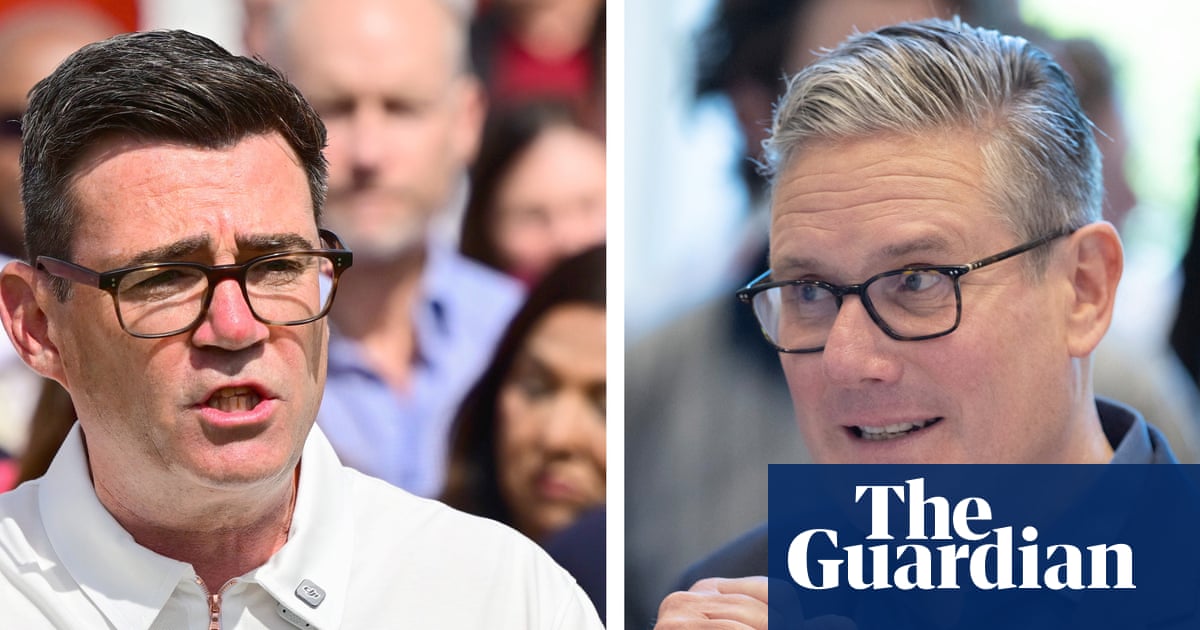
Andy Burnham bypasses traditional media to embrace social media as prime minister, marking a dramatic shift in how the top of government communicates with the British public. Just weeks after he was not even sitting as an MP, the former mayor of Greater Manchester stepped into No 10 following a bloodless coup against Keir Starmer that left him crowned unopposed as Labour leader. As Aol and The Guardian report in their comparative analyses of the transition, the new administration has pivoted sharply away from traditional Westminster hack huddles and toward digital platforms.
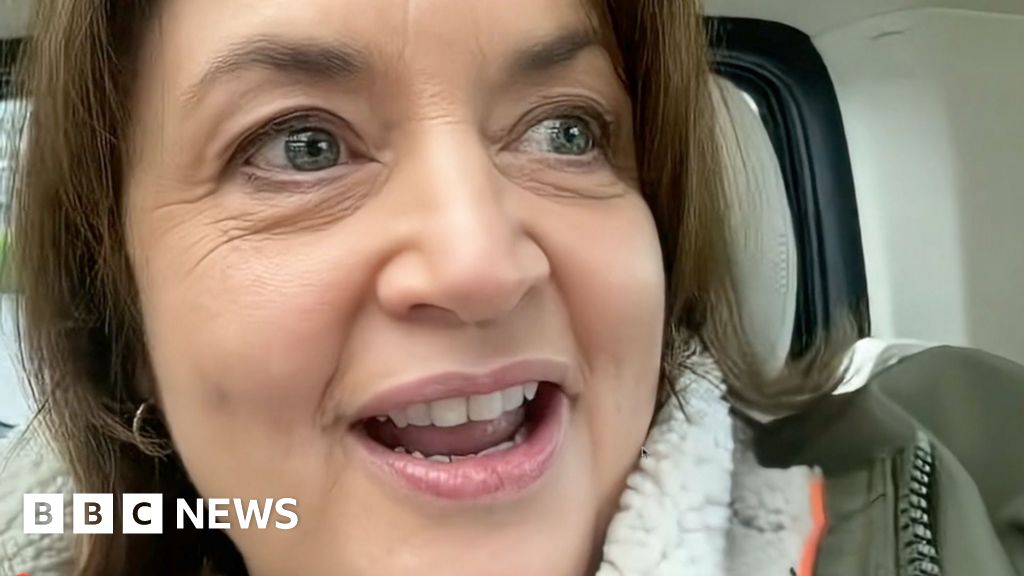
Ever since delivering his initial address at the People’s History Museum in Manchester — where he took no questions yet commanded every headline — Burnham has actively resisted mainstream media scrutiny. He conducted only three interviews during his brief return as an MP before ascending to the premiership. Once inside Downing Street, his engagement has been limited to a brief huddle with political editors and a handful of broadcast pool clips. Instead, his team has directed its energy toward digital avenues, fielding softball questions on Reddit, appearing alongside viral TikTok creators Bus Aunty and Max Klymenko, and replying directly to posts on X by members of the public.
This contrasts with his predecessor's approach. While Starmer eventually increased his social media presence, his Downing Street operation acknowledged that traditional media retained the power to dictate the national narrative. Despite his personal distaste for it, Starmer regularly subjected himself to rigorous media scrutiny. Burnham’s inner circle insists the new prime minister will eventually take more questions from reporters, though critics note that transition has yet to materialise.
Before taking office, Burnham vowed to conduct politics differently, shedding the stiff script-reading style that often dogged Starmer. I want to answer questions honestly in this job … I’m determined to keep working in that way,
he declared. Yet this candor has already caught up with him. He has faced accusations of executing U-turns on proposals such as raising the income tax threshold, after speaking publicly about ideas that were still taking shape. Defending his open approach, he remarked: It’s funny, these days you can’t answer a question honestly without then people reading everything else into it.
This communication strategy accompanies a flurry of eye-catching policy rollouts designed to make an immediate impact. According to the reported coverage, the government has launched a series of cost-of-living measures aimed at giving households breathing space:
- A VAT cut on electricity bills
- A £2 bus fare cap
- A 20% business rate cut for pubs
These short-term interventions stand in sharp contrast to Starmer's emphasis on long-term solutions over what his predecessor dismissed as temporary sticking plasters. Burnham’s electricity bill cut, averaging a reduction equivalent to £45 a year, is funded by scrapping the digital ID system. While Burnham champions immediate relief, advocates of the digital ID project argue that keeping it could have saved the Exchequer tens of billions of pounds over time by streamlining public services.
Devolution and internal party management have also seen sweeping changes. Burnham announced the creation of No 10 North to serve as a Northern base and the nerve centre of a rewired Britain, aiming to shift power away from Whitehall. While opposition figures have dismissed the Manchester operation as a political gimmick, Burnham insists the devolution of power is genuine. At the same time, he has consolidated power in Westminster by establishing a new prime minister’s department incorporating both No 10s, slices of the Treasury, the Cabinet Office, and the housing ministry, overseen by his close ally Louise Haigh. Antonia Romeo, the country's most senior civil servant, has reportedly secured a desk in the outer office just outside the prime minister's study.
These structural overhauls mirror previous efforts under the former administration. Starmer had previously pushed a mayoral devolution bill through Parliament at the end of April before suffering local election defeats, and tasked his chief secretary, Darren Jones, with rewiring Whitehall in January under the warning that underperforming civil servants would be shown the door. Both Jones and Starmer ultimately exited through those very doors.
Within the Parliamentary Labour Party, Burnham’s early moves have drawn a divided response. Steeped in party tradition, he previously told reporters that the three most important things in his life after family were Everton FC, the Labour party, and the Catholic church. Entering the leadership, he promised MPs in a letter that he would never use party discipline to stifle debate, marking a deliberate departure from Starmer's hardline approach against dissent. Yet even as backbenchers welcomed the warmer cultural tone, critics have questioned his commitment to ending factionalism after he removed or demoted more than half of the outgoing cabinet during his initial reshuffle.
As the new administration settles into its dual-base reality between London and Manchester, political observers will be watching to see how long the initial digital and economic sugar rush lasts, and whether the prime minister's aversion to traditional media scrutiny can survive the pressures of governing.
How significant is this development?
Contribute your assessment to the aggregated reader sentiment ledger.
Frequently Asked Questions
Key questions answered in this reportWhat is the key development in: Andy Burnham bypasses traditional media to embrace social media as prime minister?
Prime Minister Andy Burnham has dramatically shifted government communications by bypassing traditional media in favor of social platforms like TikTok and Reddit.
Why is this Politics development significant for the UK?
This report covers critical events in our Politics beat. Independent reporting monitors related UK statements, regulatory shifts, and public responses as further verified details emerge.
How was this reporting corroborated and verified?
Newsarchy UK compiles and cross-references reporting from primary reporting from aol.co.uk and cross-checked wire reports. All coverage adheres to published editorial standards.
When was this report published?
This briefing was published on July 26, 2026 and is permanently cataloged in the Newsarchy UK Politics archives.