Andy Burnham urged to include compulsory voting in electoral reform plans
Campaigners and senior political figures are urging Prime Minister Andy Burnham to embed compulsory voting within his administration's electoral reforms.
- Core Development: Campaigners and senior political figures are urging Prime Minister Andy Burnham to embed compulsory voting within his administration's electoral reforms.
- Beat Context: Categorized under Politics with independent corroboration.
- Reporting Depth: 4 minute analytical read synthesized from verified newsroom sources.
Senior figures across British politics are intensifying pressure on Prime Minister Andy Burnham to embed compulsory voting at the heart of his administration's sweeping democratic overhauls. Campaigners, academics, and veteran Labour figures argue that altering Westminster's voting system alone will not heal deep societal divides unless structural steps are taken to force broader participation across every demographic group.
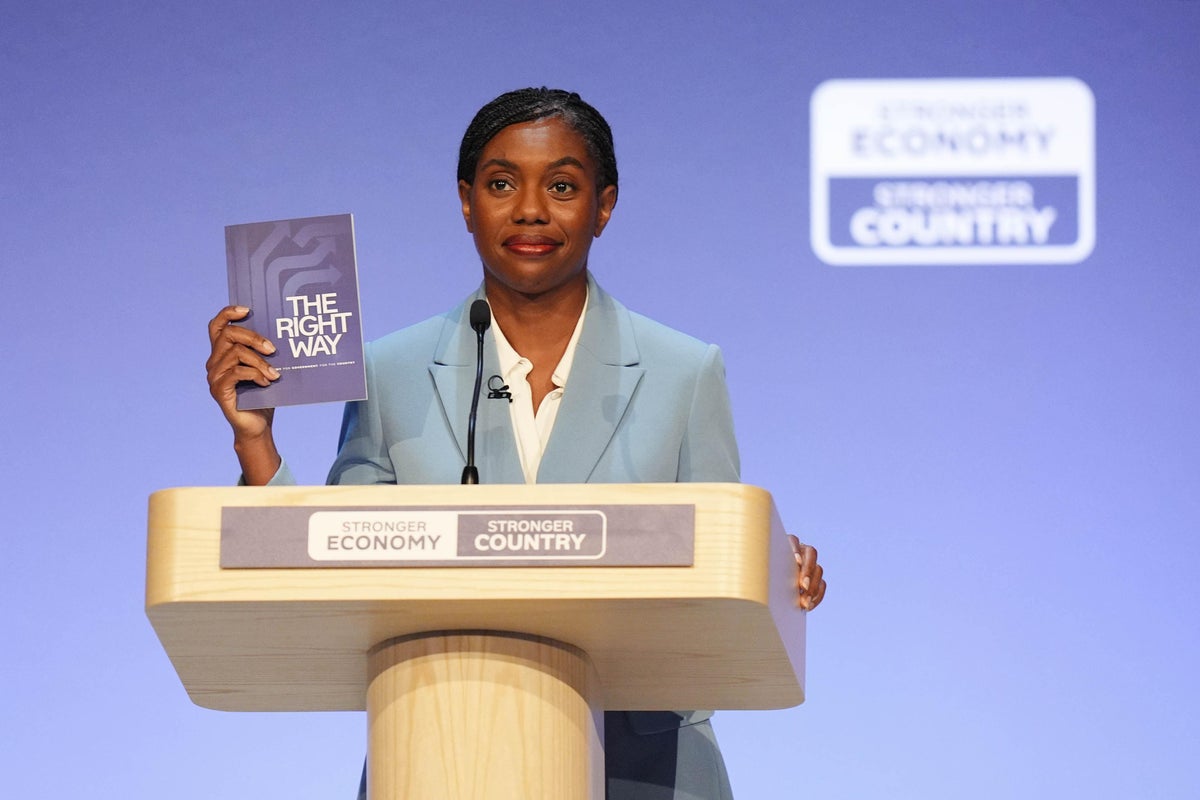
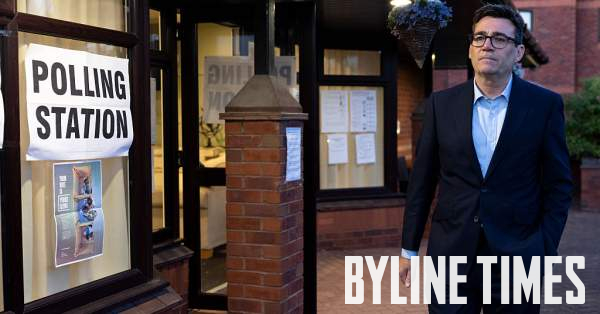
The debate builds upon the Prime Minister's recent announcement during the Labour Party conference in Liverpool, where he set out plans for a National Commission on Electoral Reform intended to endorse a new voting system for Westminster elections, as reported by the Byline Times. While that initiative targets the mechanics of how ballots are cast, prominent voices contend that attention must urgently shift to addressing who actually goes to the ballot box.
Media additions

Andrew Blick, Professor of Politics and Contemporary History at King’s College London, warned that failing to address turnout risks squandering the potential gains of a fairer society. Will Snell, chief executive of the Fairness Foundation, echoed those concerns, noting that economically disadvantaged citizens are substantially less likely to vote and consequently receive less attention from policymakers. Charles White of the Campaign for Compulsory Voting argued that Britain’s low turnout figures require a tried-and-tested remedy, pointing specifically to the Australian model where electoral participation is enforced.
Momentum for the proposal has drawn in heavyweights from across the political establishment. Former Labour leader Lord Neil Kinnock warned that falling turnouts distort election results, diminish public accountability, and normalize disengagement from community obligations, according to reporting by the Glasgow Times. Drawing on his decade-long residency in Belgium, Lord Kinnock asserted that mandatory participation helps sustain democracy in complex political and ethnic environments. He is joined in the push by former Home Secretary Lord David Blunkett and former minister Lord George Foulkes.
Legislative traction is already materializing in Parliament. Baroness Jan Royall confirmed plans to table a compulsory voting amendment to the Government’s Representation of the People Bill in the House of Lords. The proposed amendment is expected to introduce a minor financial penalty for non-voters while providing formal exemptions for citizens unable to participate due to illness, disability, or absence from the country.
| Electoral Event / Region | Recorded Turnout | Context |
|---|---|---|
| UK General Election (2024) | 60% | National parliamentary poll |
| Mayoral & Council Elections (2024–2025) | 31% (average) | Local and regional contests |
| Australian Federal Election (2025) | ~91% | Compulsory voting model |
The push for mandatory voting intersects directly with debates over intergenerational fairness and the preservation of entrenched policies. According to a new report from the Fairness Foundation titled The Missing Half, an electorate skewed by low turnout creates a profound conflict of interest for political leaders. Authors of the report argue that politicians are disincentivized from tackling deep social inequality because older and wealthier cohorts—who reliably turn out at the ballot box—benefit disproportionately from the status quo. Crossbench peer Baroness Polly Neate suggested that compulsory voting would provide the political cover necessary to reform contentious policies such as the pensions triple lock by ensuring younger and more vulnerable citizens are fully represented at the polls.
Not everyone agrees with the compulsory approach. Critics have raised concerns that forcing citizens to the ballot box does not automatically generate a more informed or engaged electorate, maintaining that individuals should retain the fundamental right to abstain. The Government has similarly signaled caution. Responding in the House of Lords, minister Baroness Taylor emphasized that Downing Street's immediate priority is removing practical participation barriers rather than introducing legal compulsion. A Government spokesperson reiterated that current legislative efforts focus on automated voter registration and extending the franchise to sixteen-year-olds via the Representation of the People Bill.
Beyond Westminster, the wider political landscape remains volatile. Speaking at his party's annual conference, Liberal Democrat leader Sir Ed Davey took direct aim at populist movements and Reform UK, warning that his party remains fully prepared should Prime Minister Andy Burnham opt to call a snap general election to consolidate his administration's standing, as detailed by the London Evening Standard. Alongside preparations for a potential national contest, the Liberal Democrats used their conference platform to unveil policy blueprints touching on regional health spending and educational work experience guarantees.
As the debate over democratic renewal broadens, attention now turns back to Parliament. The Representation of the People Bill is scheduled to return to the House of Lords for further scrutiny at the committee stage, where peers will debate amendments regarding participation rules, though an exact date for the sessions has not yet been announced.
How significant is this development?
Contribute your assessment to the aggregated reader sentiment ledger.
Frequently Asked Questions
Key questions answered in this reportWhat is the key development in: Andy Burnham urged to include compulsory voting in electoral reform plans?
Campaigners and senior political figures are urging Prime Minister Andy Burnham to embed compulsory voting within his administration's electoral reforms.
Why is this Politics development significant for the UK?
This report covers critical events in our Politics beat. Independent reporting monitors related UK statements, regulatory shifts, and public responses as further verified details emerge.
How was this reporting corroborated and verified?
Newsarchy UK compiles and cross-references reporting from primary reporting from bylinetimes.com and cross-checked wire reports. All coverage adheres to published editorial standards.
When was this report published?
This briefing was published on October 6, 2026 and is permanently cataloged in the Newsarchy UK Politics archives.