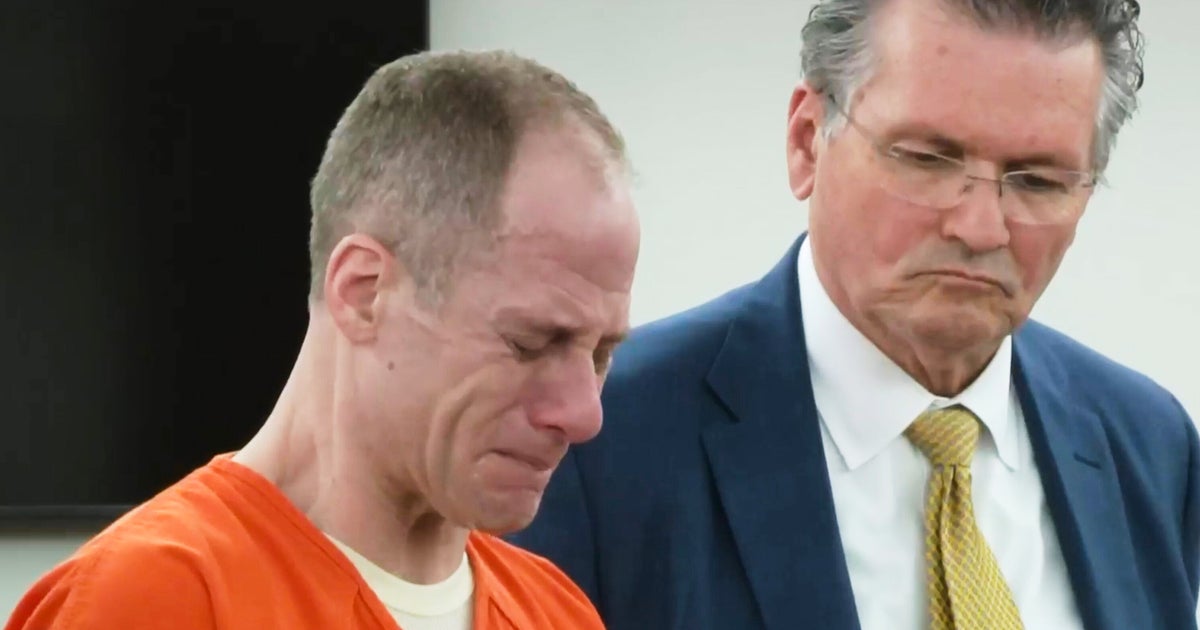
Nidal Malik Hasan to face execution by firing squad for Fort Hood shooting
President Trump has approved an Army firing squad for the execution of former Army psychiatrist Nidal Malik Hasan, who was convicted of a 2009 mass shooting at Fort Hood.
- Core Development: President Trump has approved an Army firing squad for the execution of former Army psychiatrist Nidal Malik Hasan, who was convicted of a 2009 mass shooting at Fort Hood.
- Beat Context: Categorized under World with independent corroboration.
- Reporting Depth: 4 minute analytical read synthesized from verified newsroom sources.
President Donald Trump has approved an Army firing squad for the execution of Nidal Malik Hasan, the former Army psychiatrist convicted of a 2009 mass shooting at Fort Hood, Texas, that killed 13 people and wounded 32 others. If carried out, the directive marks the first military execution by the United States armed forces in more than six decades and the first time a service member will face a firing squad since World War II.
Chief Pentagon spokesperson Sean Parnell announced the decision on social media, writing that Judgement day for Hasan has finally come. According to the Pentagon, the Secretary of the Army will determine the exact time and place for the execution. The announcement follows a recommendation submitted by Defense Secretary Pete Hegseth, who stated an absolute commitment to ensuring capital punishment is carried out in the case without further delays.
Media additions


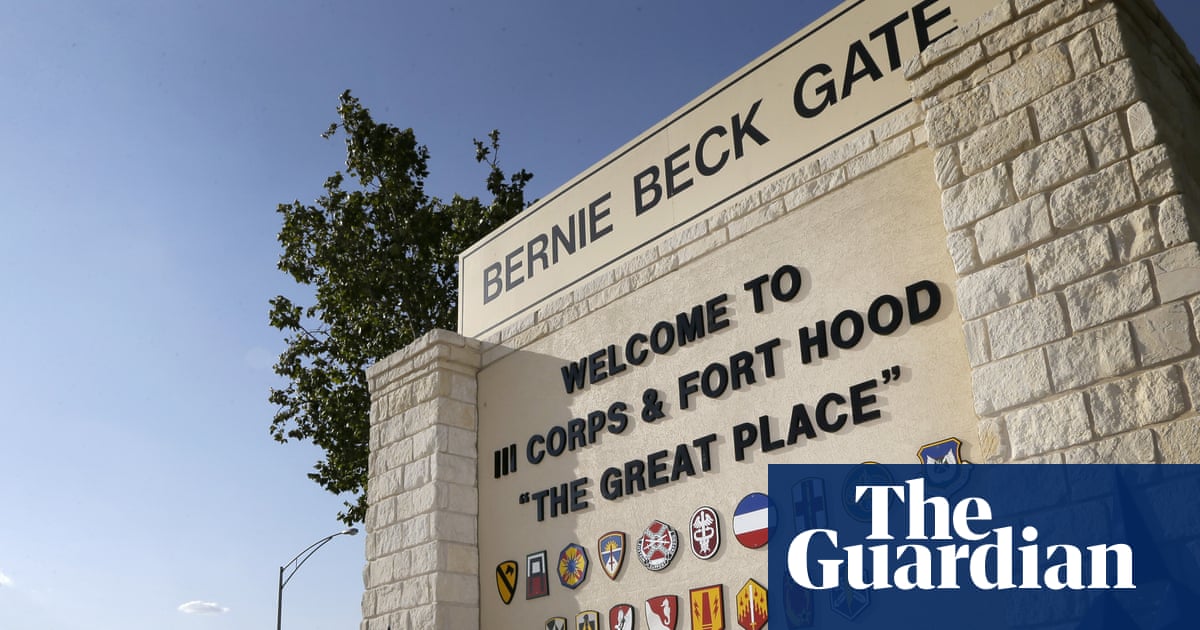
The mass shooting unfolded on November 5, 2009, at the Soldier Readiness Processing Center on the sprawling Texas base, where troops were undergoing medical checkups prior to deployments. Witnesses and survivors reported that Hasan walked into the medical building, shouted Allahu Akbar
, and opened fire with a laser-sighted semi-automatic handgun. The dead included 12 active-duty soldiers and one civilian, while more than 30 others sustained injuries. Responding civilian police officers shot Hasan during the engagement, leaving him partially paralyzed from the waist down and confined to a wheelchair.
During his 2013 court-martial, Hasan represented himself, called no witnesses, and offered virtually no defense. He admitted to the shootings and told jurors that he carried out the attack to protect the Taliban and stop soldiers from deploying to Afghanistan to kill fellow Muslims. A military jury convicted him on 45 counts of premeditated murder and attempted premeditated murder, recommending the death penalty. He has since been incarcerated on the military death row at Fort Leavenworth, Kansas, alongside three other inmates.
Capital punishment remains exceedingly rare within the American military justice system. Federal law mandates that any military death sentence must receive personal approval from the president before it can proceed. The last execution carried out by the U.S. Military occurred in 1961, when Army Private John Bennett was hanged at Fort Leavenworth after being convicted of raping and attempting to kill an 11-year-old girl. Historical data compiled by the Death Penalty Information Center indicates that the last military execution by firing squad took place in January 1945, when Private Eddie D. Slovik was executed in France for desertion.
The Pentagon's announcement did not specify why a firing squad was selected over lethal injection, which serves as the standard method outlined in current military execution regulations. However, the decision arrives against a backdrop of mounting scrutiny surrounding lethal injections nationally. Just days prior to the Pentagon's statement, a botched execution in Tennessee left inmate Christa Pike surviving two lethal injections, subsequently prompting the state's governor to halt further executions and order an independent review. Several states and federal agencies have increasingly looked toward alternative execution methods, including electrocution, gas asphyxiation, and firing squads.
| Execution Detail | Military Justice System | Federal / State Systems |
|---|---|---|
| Primary Method | Lethal Injection (Regulations specified) | Lethal Injection, Firing Squad, Electrocution |
| Presidential Approval Required | Yes (Mandatory under military law) | Varies (Executive authorization for federal) |
| Last Execution Date | 1961 (Hanging of Pvt. John Bennett) | Recent state executions utilizing firing squads |
Legal experts note that despite presidential approval, Hasan's path to the execution chamber may still encounter significant procedural delays. According to analyses published in legal journals, condemned military inmates can pursue habeas corpus appeals within the civilian federal court system, potentially pausing the process for years. The U.S. Supreme Court previously denied a petition by Hasan to hear an appeal of his conviction, clearing an essential legal hurdle prior to the administration's current directives.
Advocacy groups immediately condemned the announcement. Death Penalty Action issued a statement criticizing the administration's stance on capital punishment, asserting that the approval serves as a distraction. Meanwhile, survivors and victims' families continue to grapple with the lasting physical and emotional toll of the 2009 rampage. Former Army Staff Sgt. Patrick Zeigler, a combat veteran who was shot four times during the attack, previously recounted looking the gunman in the eyes moments before sustaining severe head injuries that required extensive hospitalization.
As world coverage continues to monitor shifts in capital punishment policies, the immediate next steps rest with the Secretary of the Army, who must officially establish the time, method logistics, and location for the unprecedented military firing squad execution.
How significant is this development?
Contribute your assessment to the aggregated reader sentiment ledger.
Frequently Asked Questions
Key questions answered in this reportWhat is the key development in: Nidal Malik Hasan to face execution by firing squad for Fort Hood shooting?
President Trump has approved an Army firing squad for the execution of former Army psychiatrist Nidal Malik Hasan, who was convicted of a 2009 mass shooting at Fort Hood.
Why is this World development significant for the UK?
This report covers critical events in our World beat. Independent reporting monitors related UK statements, regulatory shifts, and public responses as further verified details emerge.
How was this reporting corroborated and verified?
Newsarchy UK compiles and cross-references reporting from primary reporting from unilad.com and cross-checked wire reports. All coverage adheres to published editorial standards.
When was this report published?
This briefing was published on October 6, 2026 and is permanently cataloged in the Newsarchy UK World archives.