Andy Burnham admits cost of living help is insufficient and hints at further support
Prime Minister Andy Burnham has acknowledged that his initial cost-of-living measures fall short, raising expectations of further relief in the autumn budget.
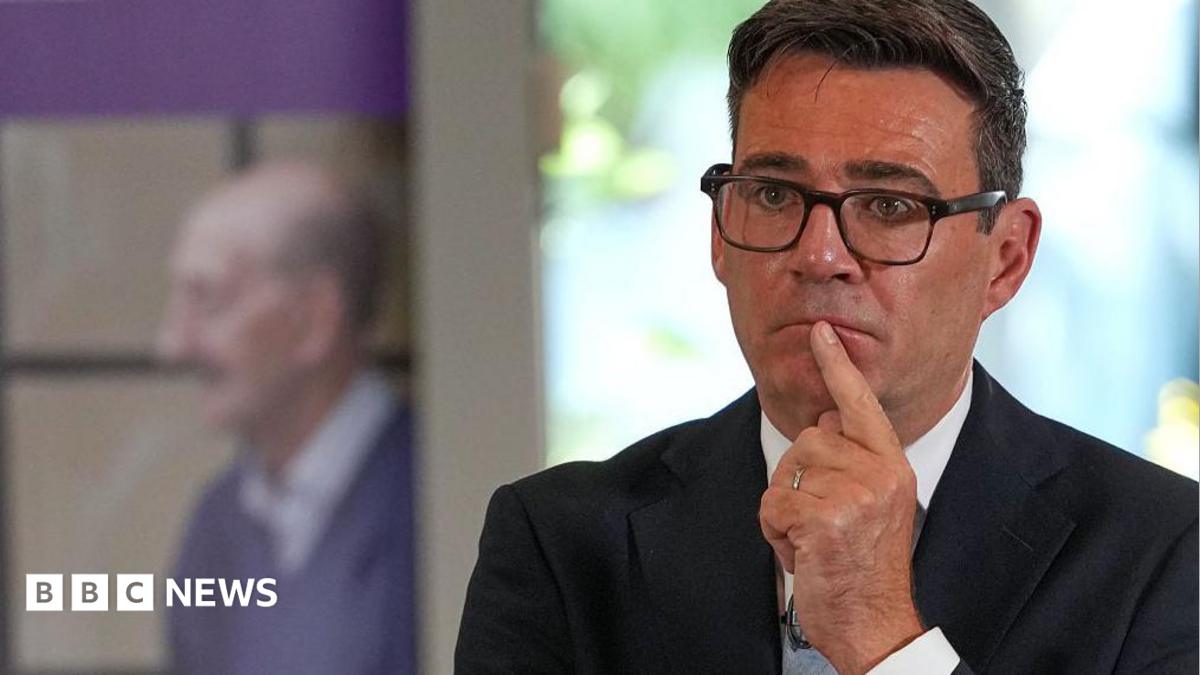
- Core Development: Prime Minister Andy Burnham has acknowledged that his initial cost-of-living measures fall short, raising expectations of further relief in the autumn budget.
- Beat Context: Categorized under Politics with independent corroboration.
- Reporting Depth: 3 minute analytical read synthesized from verified newsroom sources.
Prime Minister Andy Burnham has acknowledged that his initial cost-of-living policy announcements fall short of providing meaningful relief to struggling households, prompting speculation that further financial assistance could be introduced in the upcoming autumn budget.
Speaking to the BBC, Burnham defended his incremental approach to economic pressure, pointing to measures such as the removal of VAT from domestic electricity bills and bringing forward an already planned end to 'subscription traps'. However, he conceded that these steps alone are not enough to address the widespread financial strain.
Media additions
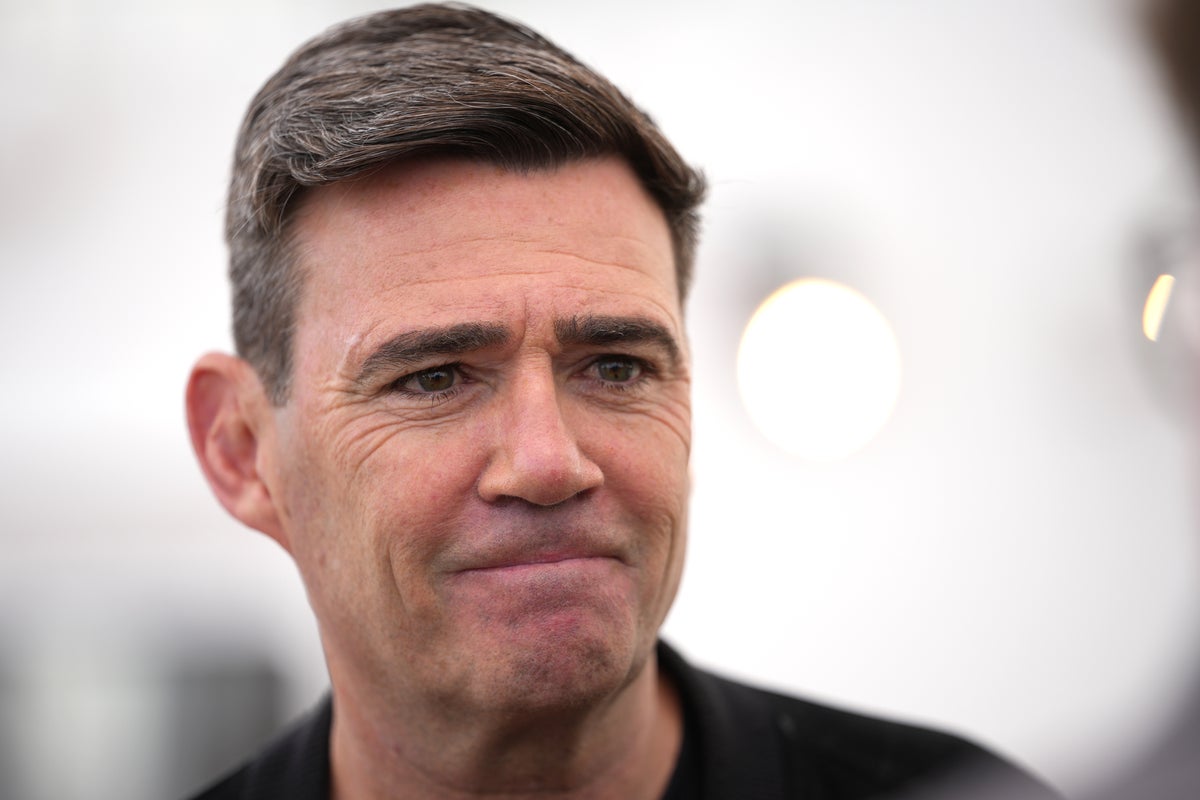
"I can accept criticism that this isn't enough, because I wouldn't say it's enough. But I take an approach to politics where I do what I can, when I can. Just take that little bit of pressure off and address an issue that you know needs addressing."
Andy Burnham, Prime Minister, via BBC
Burnham has asked Chancellor John Healey to look at what the government can do further on the cost of living in the upcoming Budget, on 28 October, and that Healey has said it will be his "main focus". Yet, BBC reporting highlights that Healey has made it clear he will oversee "strong fiscal discipline" – which will limit how much the government has to spend. One major think tank recently warned that he will have to raise taxes or cut spending to meet Burnham's pledges on defence and the cost of living.
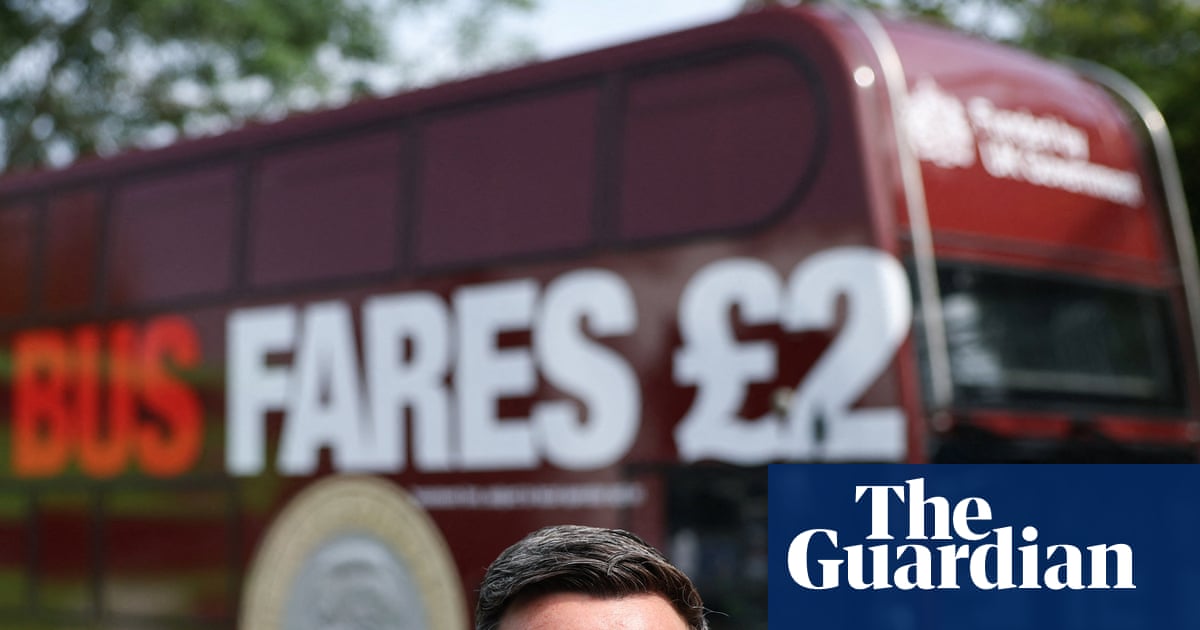
Friction has also emerged over how specific relief measures are funded. As detailed by The Guardian, the prime minister announced on Wednesday that he would reduce the fare cap from £3 a journey to £2 next year. To finance the policy, officials intend to switch international climate investments to loans, enabling the money to go to international financing schemes while making the best use of taxpayers’ money.
Aid charities and political opponents have strongly condemned the mechanism. Joanne O'Neill, the co-director of advocacy at ActionAid UK, warned that the policy penalizes lower-income nations.
"The prime minister’s fare cap scheme is a welcome initiative but his funding proposal throws global south countries under the bus, penalising those most impacted by a climate crisis they did not create."
Joanne O'Neill, Co-director of advocacy at ActionAid UK, via The Guardian
Monica Harding, the Liberal Democrat spokesperson for international development, echoed these concerns, arguing that swapping crucial climate grants for loans will ultimately fall on the backs of the world’s poorest, racking developing nations with more destabilising debt. Conversely, government defenders and institutional analysts point out that a number of major donors use loans to track climate finance, ensure it is well spent, and develop an ongoing relationship with the recipient country.
Opposition figures have also criticized the broader economic trajectory. According to Newswav, Dave Doogan, the SNP’s Westminster leader, argued that political slogans offer "no substitute" for cost-of-living support as households face mounting energy and fuel bills.
| Policy Initiative | Announced Cost / Scope | Funding Mechanism |
|---|---|---|
| Bus Fare Cap Reduction | More than £500m next year | Converting climate grants into loans |
| Pylon Proximity Discount | £250 annual discount for a decade | Direct utility bill reduction |
| Pub and Venue Business Rates | 20% cut starting in April | Targeted sectoral tax relief |
What happens next depends heavily on upcoming fiscal milestones. Chancellor John Healey is scheduled to deliver the government budget on October 28, where further details regarding business rates, departmental spending limits, and additional cost-of-living interventions are expected to be unveiled.
How significant is this development?
Contribute your assessment to the aggregated reader sentiment ledger.
Frequently Asked Questions
Key questions answered in this reportWhat is the key development in: Andy Burnham admits cost of living help is insufficient and hints at further support?
Prime Minister Andy Burnham has acknowledged that his initial cost-of-living measures fall short, raising expectations of further relief in the autumn budget.
Why is this Politics development significant for the UK?
This report covers critical events in our Politics beat. Independent reporting monitors related UK statements, regulatory shifts, and public responses as further verified details emerge.
How was this reporting corroborated and verified?
Newsarchy UK compiles and cross-references reporting from primary reporting from Newswav and cross-checked wire reports. All coverage adheres to published editorial standards.
When was this report published?
This briefing was published on September 27, 2026 and is permanently cataloged in the Newsarchy UK Politics archives.