Burnham EU push divides Labour and draws warning from David Cameron
Prime Minister Andy Burnham reignited the Brexit debate after suggesting barriers with the EU could be dropped, drawing a warning from David Cameron.

Prime Minister Andy Burnham has reignited the national debate on European integration after admitting that leaving the European Union has done more harm than good, prompting a sharp warning from former prime minister David Cameron.
The shift follows tense discussions between Downing Street and European officials regarding the bloc's protectionist rules. According to reporting by The i Paper, Mr Burnham was warned personally by EU leaders to tone down British demands for inclusion in the Made In Europe policy, which would favour continental manufacturers for public procurement and threaten UK businesses. Faced with the limits of existing negotiating red lines—which ruled out the single market, customs union, and freedom of movement—the Prime Minister used his first conference speech as Labour leader on Tuesday, 29 September 2026, to signal that those barriers could eventually be dropped.
Media additions


Mr Burnham told delegates that Britain had lost control over both immigration and the economy since the 2016 referendum. He revealed plans to lay out a spectrum of options for the UK's long-term relationship with Brussels around the time of an upcoming UK-EU summit, aiming to build consensus before potentially putting a choice before voters in a future election manifesto.
International reaction was swift; French President Emmanuel Macron told a news conference in Madrid on Wednesday, 30 September 2026, Welcome back
in English before adding in French that a British return would be very good news both for his country and for Europeans,
according to reporting by RTÉ. Spain's Prime Minister Pedro Sanchez similarly stated his country would welcome Britain back with open arms.
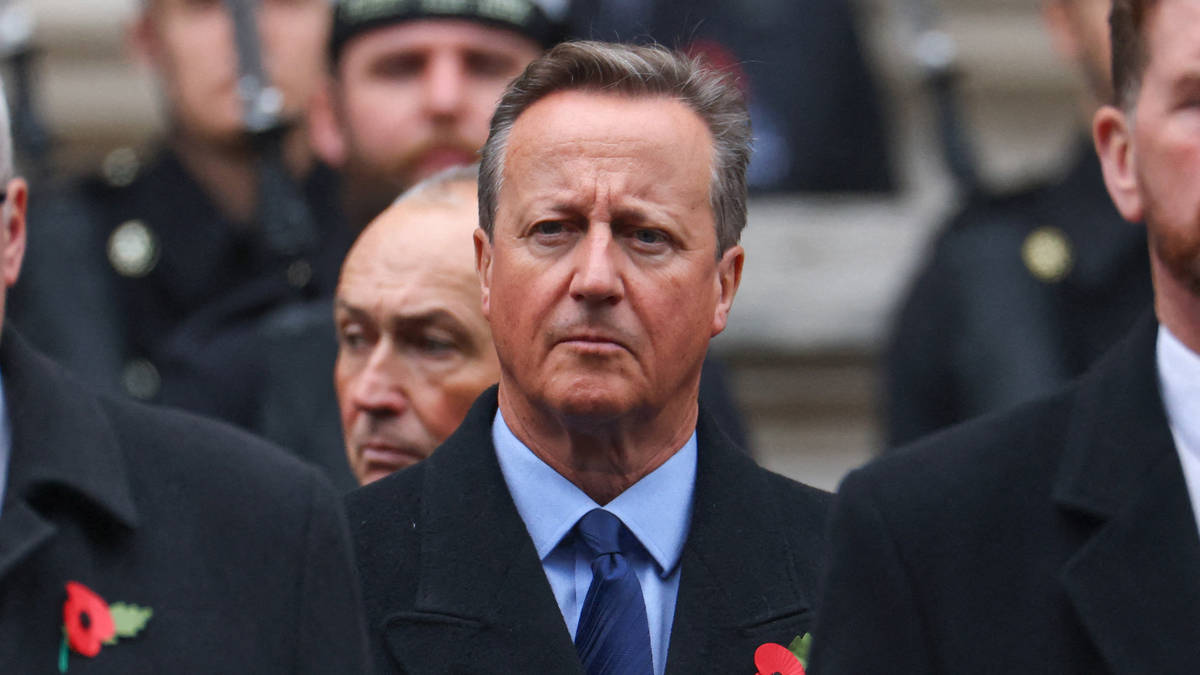
Not everyone shares that enthusiasm at home. Speaking to Bloomberg's Mishal Husain, Lord Cameron warned that reopening the question of membership would plunge the country into a very long and painful
decade-long debate. The former conservative prime minister cautioned that flirting with rejoining
risks undermining immediate partnership talks because European nations may conclude there is no point offering a strong interim deal if the UK intends to come back anyway. He also downplayed the economic impact of leaving, arguing that current financial difficulties stem from domestic overspending, high taxation, and heavy regulation rather than Brexit.
| Political Figure / Party | Stated Position on EU Relationship |
|---|---|
| Andy Burnham | Admitted Brexit did more harm than good; opened the door to considering options ranging from the status quo to rejoining the bloc entirely. |
| David Cameron | Warned against a decade-long debateon rejoining, arguing it distracts from domestic economic problems and weakens partnership negotiations. |
| Kemi Badenoch | Argued that aligning with EU rules takes the country backwards and accused Labour of trying to reopen old wounds. |
| Sir Ed Davey (Liberal Democrats) | Pushed for immediate moves to join the single market and customs union, criticizing Burnham for relying on indefinite maybes. |
| Reform UK | Declared themselves bullish about fighting an election against a potential £40bn bill to rejoin and the return of open-door immigration. |
Divisions have also opened up within the Cabinet and Parliament. Housing Secretary Angela Rayner is understood to have been pushing for a bolder stance on Europe since late 2022, while Business and Trade Secretary Jonathan Reynolds supports closer ties while expressing caution over the uncertainty of future EU membership terms. Conversely, Home Secretary Shabana Mahmood has struck a cautious note, warning of the costs and consequences of both staying out and rejoining. Backbench MPs like Gareth Snell have warned that reopening the debate will monopolize parliamentary time when other domestic priorities demand attention.
Opposition parties have reacted sharply to the shift. Conservative leader Kemi Badenoch claimed the Prime Minister's approach would take the country backwards and accused Labour of trying to drag Britain back into the union through the back door. Meanwhile, Liberal Democrat leader Sir Ed Davey urged the government to stop talking in maybes and start negotiating concrete market access immediately. Reform UK strategists welcomed the controversy, expressing readiness to campaign against any future move to restore freedom of movement or pay hefty reentry costs.
The political maneuvering unfolds against a backdrop of tight public finances and economic headwinds. Ahead of the budget, Mr Burnham acknowledged that public funds leave little room for uncalculated spending.
What to watch next
- A gathering of European leaders in Dublin where Mr Burnham will for the first time meet those who could prove pivotal as he sells his vision for Britain's future in the bloc.
- A major foreign policy speech by the Prime Minister in which – for Burnham – Europe is a central plank.
- A UK-EU summit in Brussels to sign new agreements on food, energy and youth mobility.
- The delivery of the government's budget and subsequent legislative outlines ahead of the next general election.


