UK bishops and church leaders warn conversion bill threatens pastoral care
UK church leaders have issued urgent warnings that a proposed parliamentary bill targeting conversion practices could inadvertently criminalize everyday prayer, family conversations, and traditional pastoral care.

UK church leaders have issued urgent warnings that a proposed parliamentary bill targeting conversion practices could inadvertently criminalize everyday prayer, family conversations, and traditional pastoral care.
The draft legislation, introduced earlier in Parliament to address gaps in criminal law concerning conversion practices, has ignited a fierce debate involving religious institutions, human rights advocates, and survivors as reported by EWTN News. Proponents argue the measures are long overdue to protect vulnerable individuals from abuse based on sexual orientation or transgender identity. Conversely, high-ranking church figures contend the bill’s broad scope threatens fundamental freedoms of speech and religion.
Media additions
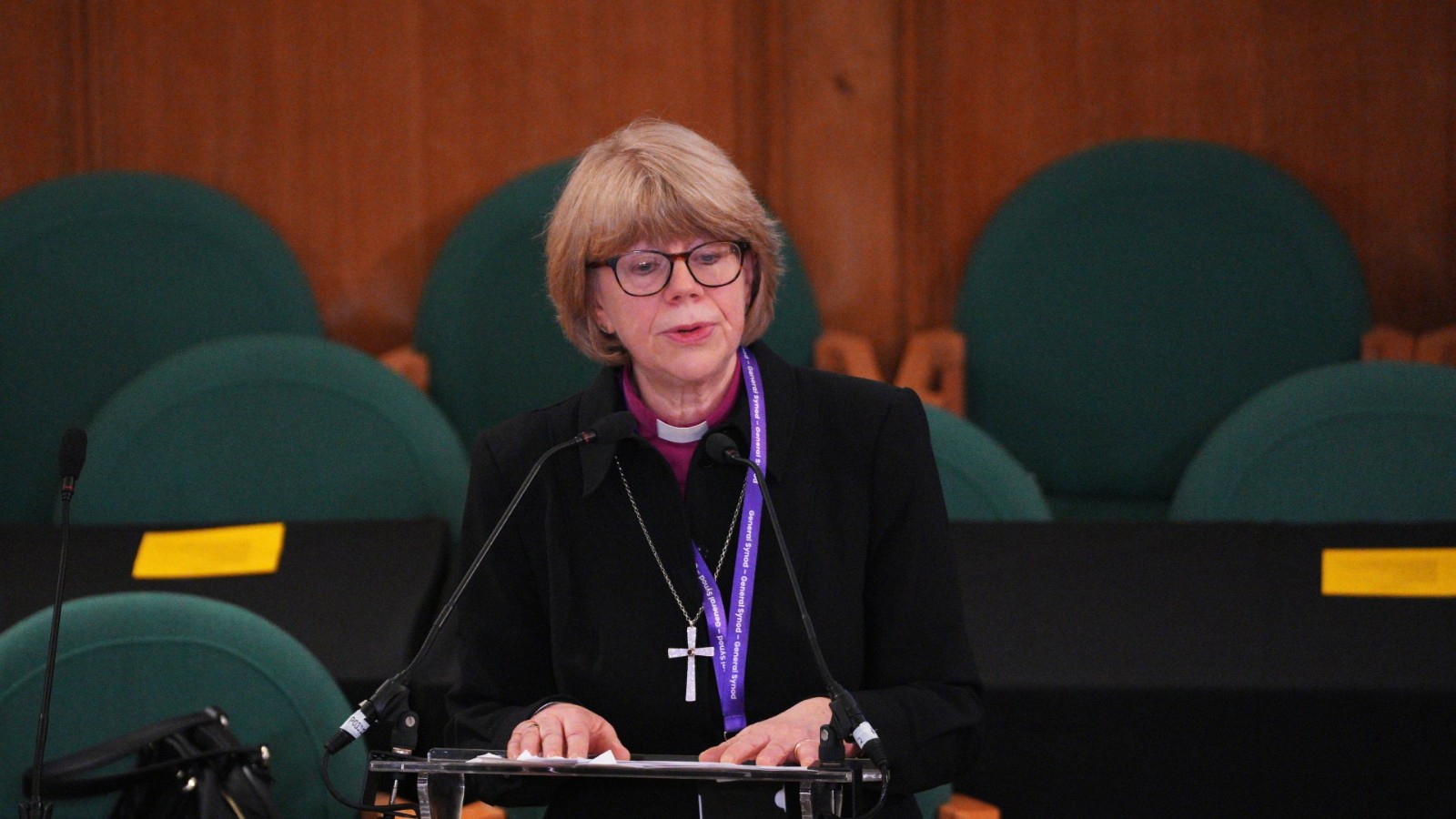
Archbishop John Sherrington, who chairs the social justice department of the Catholic Bishops' Conference of England and Wales, expressed serious concern regarding the legislation. Speaking through a statement covered by Gayety, the Liverpool archbishop argued that while the Catholic Church already opposes abusive counseling in all circumstances, existing laws already address such misconduct. He warned that the new draft bill creates unwarranted uncertainty around lawful pastoral care and family life, ultimately urging politicians to abandon the bill and focus instead on enforcing existing legal protections.
According to EWTN News, the British bishops warned that the draft legislation could hamper the Catholic Church’s ability to proclaim an authentic understanding of the human person with clarity, simplicity, love, and respect. The proposed UK bill would criminalize what the government calls conversion practices involving gender identity, which involves therapeutic services attempting to steer people away from self-identified gender identities to accept their objective biological sex. EWTN News noted that a similar dispute played out in the United States recently, culminating in the U.S. Supreme Court striking down a Colorado ban on conversion therapy.
The Church of England has taken a nuanced yet cautious stance on the matter. Although senior leaders and the General Synod have historically backed calls to ban conversion therapy regarding sexual orientation—noting that historical practices have left many LGBT+ individuals with lifelong trauma—officials are pressing for tighter legislative definitions. A Church spokesman emphasized to media outlets that the ban must not unintentionally criminalize appropriate prayer and pastoral care sought by individuals, insisting that a proper ban must preserve space for discussion and disagreement without being coercive.
Government representatives have defended the draft text, asserting that the legislation establishes high legal bars designed to protect freedom of expression, including for religious leaders. According to official government statements, anyone convicted of conducting abusive conversion practices under the bill could face an unlimited fine, a custodial sentence of up to 5 years, or both. Government assurances maintain that religious leaders teaching faith-based views on LGBT+ matters should remain unaffected by the proposed rules.
The legislative debate has highlighted starkly contrasting viewpoints among stakeholders and survivors. Campaigner Jayne Ozanne, founder of the Ban Conversion Practices Coalition, told the bill committee about her personal trauma involving individuals praying for her to change, distinguishing between prayer intended to alter someone's identity and prayer aimed at finding personal peace. Conversely, organizations such as the LGBT+ anti-abuse charity Galop have strongly endorsed the legislative push, with co-CEO Jasmine O’Connor arguing that existing gaps in the law have long left individuals vulnerable to covert and insidious forms of abuse.
Legislative Timeline and Scrutiny Process
As the debate moves through Parliament, the pre-legislative scrutiny process is gathering evidence from religious bodies, charities, and survivors alike.
- June 25: The UK government officially publishes the draft conversion practices bill for England and Wales.
- July 1: The Bishop of Leicester raises drafting concerns in the House of Lords regarding the distinction between harmful practices and acceptable pastoral care.
- November 10: Catholic Archbishop John Sherrington releases a critical statement calling for the bill to be abandoned.
- November 16: The joint committee's call for written evidence closes.
- January 22, 2027: The joint committee of MPs and peers is scheduled to report its findings and recommendations back to the government.
Following the committee's forthcoming report in January 2027, a final bill must formally be introduced and successfully pass through both houses of Parliament before enacting any new legal prohibitions.