Andy Burnham faces backlash over pro-EU views ahead of Makerfield by-election
Andy Burnham’s bid to return to the House of Commons via the Makerfield by-election is being met with criticism over his support for rejoining the EU. He aims to define his leadership through a policy of regional decentralisation intended to revive local economies.
Andy Burnham faces backlash over pro-EU views ahead of Makerfield by-election
EXECUTIVE BRIEFKey Takeaways & Signal
Core Development: Andy Burnham’s bid to return to the House of Commons via the Makerfield by-election is being met with criticism over his support for rejoining the EU. He aims to define his leadership through a policy of regional decentralisation intended to revive local economies.
Beat Context: Categorized under Politics with independent corroboration.
As Andy Burnham prepares to assume the office of Prime Minister, his path back to the House of Commons via the Makerfield by-election has triggered a fierce political backlash. The former Mayor of Greater Manchester, who is set to succeed Sir Keir Starmer following an internal party revolt, faces intense scrutiny over his long-standing support for the United Kingdom rejoining the European Union.
Critics, including high-profile Brexiteers and rival political organisations, have seized on comments made by Burnham to the Guardian last year. In that interview, the incoming Prime Minister stated:
"Long term, I'm going to say it, I want to rejoin. I hope in my lifetime I see this country rejoin the European Union."
Media additions
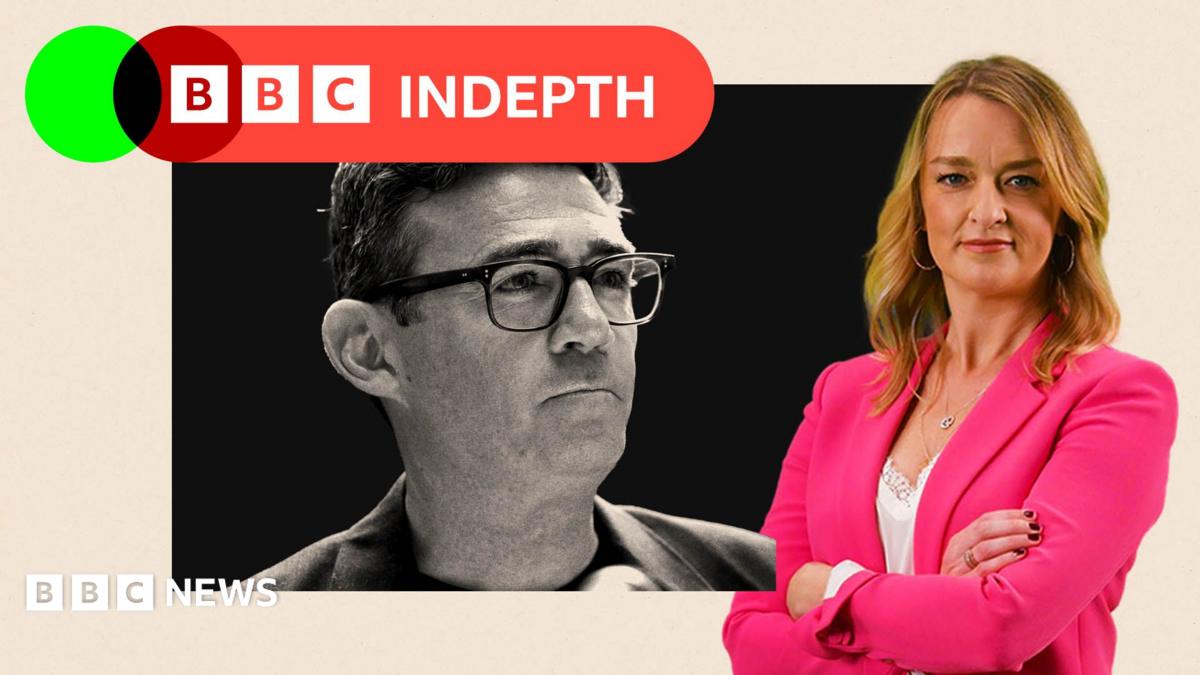
Image via inews.co.ukImage via huffingtonpost.co.ukImage via bbc.co.uk
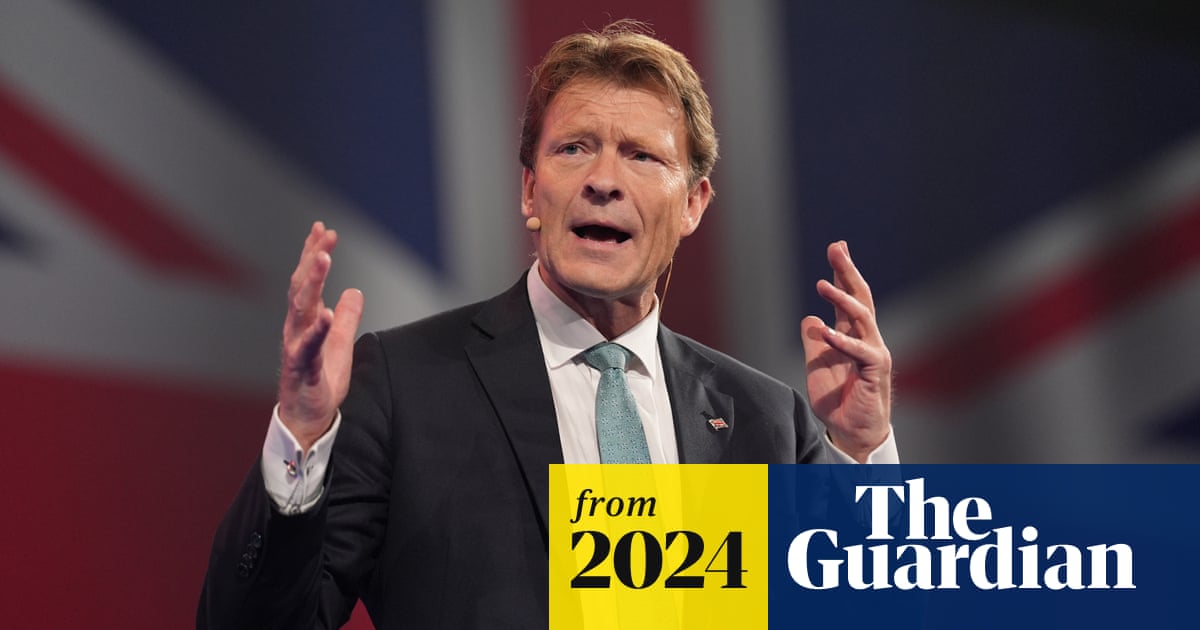
This stance has become a primary line of attack in the upcoming Makerfield by-election, a constituency that historical analysis by Electoral Calculus indicates voted 65% in favour of leaving the European Union. Richard Tice of Reform UK claimed that a vote for the Manchester Mayor "will be a vote to rejoin the EU," further alleging that the party’s broader "EU reset" constitutes a betrayal of the democratic mandate established by the 2016 referendum.
The opposition to Burnham is not limited to electoral rivals. Mark Francois, chairman of the European Research Group, characterised Burnham as a "committed Europhile" who intends to surrender British sovereignty to Brussels. Meanwhile, John Longworth, chairman of the Independent Business Network, warned that such an economic shift would prove disastrous for growth and innovation. Former MEP David Campbell Bannerman labelled the prospective Prime Minister an "extremist" regarding European integration.
Beyond the Brexit debate, Burnham is attempting to define his leadership through a strategy of decentralisation, which he describes as a "circuit breaker" intended to revive regional economies. In his first national address since becoming the candidate for Makerfield, Burnham championed a "place first, not party first" approach, advocating for the transfer of greater tax-raising and capital-spending powers from Westminster to local mayoralties. This shift, which mirrors his previous work in Manchester, is intended to address the stark regional productivity gaps that persist across the UK.
However, this strategy carries its own political risks. Economists and internal party critics have raised questions about how the new administration will manage the national debt — which currently stands at 95% of GDP — while funding ambitious social projects and infrastructure investment. As noted by the Inews analysis, while Burnham advocates for regional revival, he risks creating new tensions in regions that lack mayors, potentially providing a target for political opponents in the south-west and east of England.
Internal observers have compared his rise to that of former Conservative Prime Minister Boris Johnson. Like Johnson, Burnham is a charismatic former mayor returning to Parliament to lead his party from the centre. Yet, while allies describe him as a "brilliant leader of teams" who is not afraid to employ the "Ferguson hairdryer" to enforce party discipline, colleagues warn that he faces a brutal reality. The transition from regional administration to national leadership involves a vastly different scale of decision-making, compounded by a "spluttering, post-Brexit economy" and a public that is increasingly impatient with Labour’s performance.
With his official start date approaching, the new administration faces several immediate pressures:
Internal Unity: Burnham must reconcile a fractured Labour Party and fill a Cabinet while managing the expectations of those who facilitated the removal of his predecessor.
Fiscal Constraints: The government must navigate a high tax burden and a significant welfare bill, with early reports suggesting a shift in policy regarding North Sea energy drilling to reflect the new leadership’s agenda.
Public Expectations: Having entered office mid-term, Burnham faces a narrow window, estimated by his own team at six to eight months, to demonstrate that his "place first" politics can deliver tangible economic growth.
READER INTELLIGENCE PULSE
How significant is this development?
Contribute your assessment to the aggregated reader sentiment ledger.
Click an option to register your anonymous assessment.
Frequently Asked Questions
Key questions answered in this report
What is the key development in: Andy Burnham faces backlash over pro-EU views ahead of Makerfield by-election?
Andy Burnham’s bid to return to the House of Commons via the Makerfield by-election is being met with criticism over his support for rejoining the EU. He aims to define his leadership through a policy of regional decentralisation intended to revive local economies.
Why is this Politics development significant for the UK?
This report covers critical events in our Politics beat. Independent reporting monitors related UK statements, regulatory shifts, and public responses as further verified details emerge.
How was this reporting corroborated and verified?
Newsarchy UK compiles and cross-references reporting from primary reporting from huffingtonpost.co.uk and cross-checked wire reports. All coverage adheres to published editorial standards.
When was this report published?
This briefing was published on July 20, 2026 and is permanently cataloged in the Newsarchy UK Politics archives.