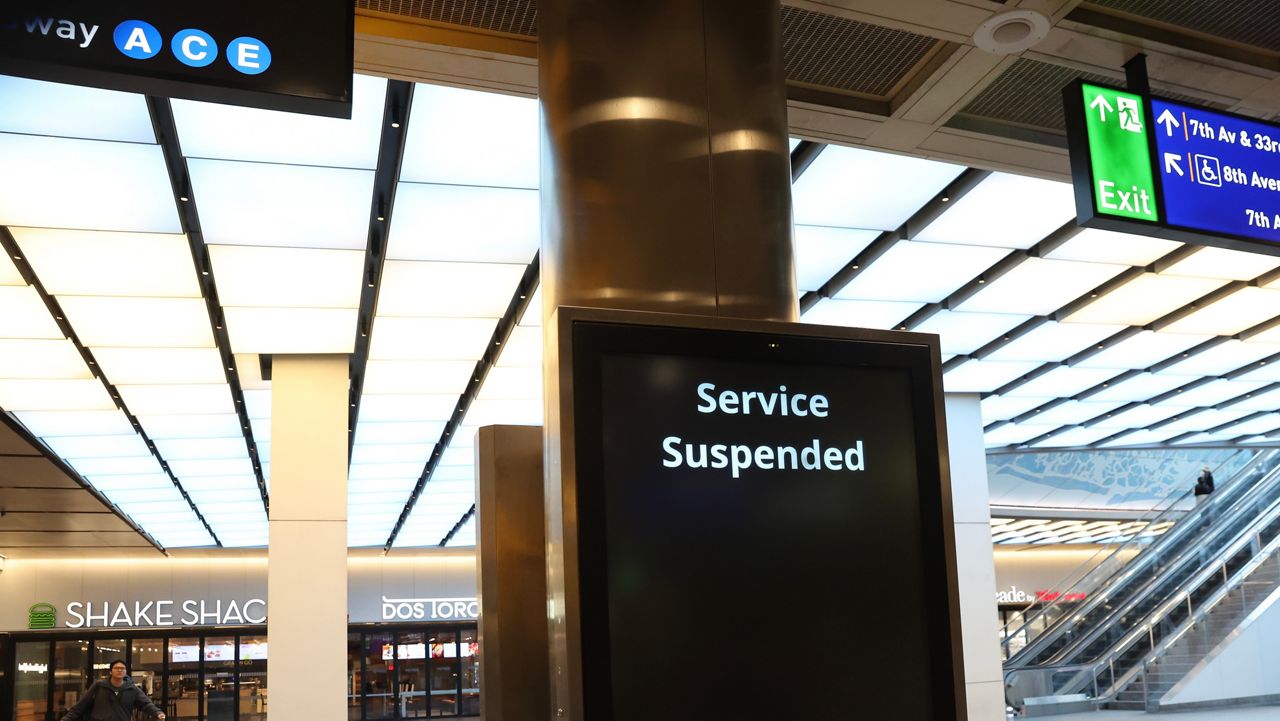
RMT announces eight-day London Underground strike over four-day working week
London Underground drivers in the RMT union have scheduled eight 24-hour walkouts over proposed changes to working patterns, threatening major disruption during the winter trading season.

- Core Development: London Underground drivers in the RMT union have scheduled eight 24-hour walkouts over proposed changes to working patterns, threatening major disruption during the winter trading season.
- Beat Context: Categorized under Transport with independent corroboration.
- Reporting Depth: 5 minute analytical read synthesized from verified newsroom sources.
London Underground drivers belonging to the Rail, Maritime and Transport Union have announced a fresh wave of industrial action, scheduling eight 24-hour walkouts that threaten extensive disruption across the capital's transport network during the crucial winter and Christmas trading period. The dispute, which follows similar walkouts earlier in the year, centers on Transport for London proposals to introduce a four-day working week. Commuters, festive shoppers, and hospitality businesses now face weeks of uncertainty as both sides remain locked in disagreement over shift patterns, driver protections, and the voluntary nature of the modernised framework.
According to reporting from the capital, the industrial action will begin in late November and stretch into the new year. Each 24-hour strike will operate from noon to noon, effectively doubling the window of impact for passengers navigating the underground system. The RMT argues that the changes put forward by management are being forced upon staff under the guise of flexibility.
Media additions



"London Underground is attempting to dress up a wholesale attack on drivers' working conditions as a voluntary four-day week. But there is nothing voluntary about a scheme that forces drivers to give up existing protections whether they work four days or five, and threatens those who refuse with displacement from their depots."
Eddie Dempsey, RMT general secretary, via Yahoo News
The union contends that drivers will face increased time spent operating trains, longer duties, earlier starts, later finishes, short-notice shift alterations, and the erosion of annual leave and transfer rights. Furthermore, the RMT believes the framework will pave the way for hundreds of job cuts. While TfL has proposed a voluntary structure featuring a 35-hour week spread across four days, the RMT has pushed for a 32-hour week across the same duration.
Transport for London maintains that the proposals have been refined through extensive engagement with trade unions. Nick Dent, Director of Customer Operations for London Underground, emphasized that modifications have been introduced to address feedback from staff.
"We have engaged with our trade unions for months about our proposal for a new four-day working week. As a result of that engagement, drivers can now choose to remain on a five-day week with a guarantee of remaining at the same depot. This will give our colleagues a real, meaningful choice on their working pattern without having to change where they work. This will also mean less time at work for Tube drivers, while delivering a more efficient, reliable Tube service for our customers."
Nick Dent, Director of Customer Operations for London Underground, via MyLondon
The division among the workforce is deepened by the stance of the Aslef union, which represents more than half of London's tube drivers. Aslef has strongly backed the modernization plans. Finn Brennan, Aslef's full-time organiser on London Underground, expressed astonishment at the RMT's decision to strike against a voluntary measure that offers drivers additional days off and shifts rosters to a shorter overall duration in return for some changes to working conditions and moving to electronic, rather than paper-based, systems for booking on for duty
.
The timing of the walkouts has drawn intense criticism from business organizations and trade bodies across the city. The hospitality and retail sectors rely heavily on the pre-Christmas trading period, which stands to be heavily disrupted by the industrial action.
| Entity / Representative | Stance on Four-Day Week | Proposed Hours / Structure | Key Concerns or Arguments |
|---|---|---|---|
| RMT Union | Opposed | 32-hour week across four days | Cites longer shifts, increased fatigue, loss of depot protections, and potential job cuts. |
| Transport for London | Proponent | 35-hour week spread across four days (voluntary) | Offers choice, guarantees depot retention for five-day staff, and aims for a reliable service. |
| Aslef Union | Proponent | 34-hour rostered week with electronic booking | Welcomes extra time off and flexibility; criticizes strikes against voluntary choice. |
Ed Richardson, transport programme director at BusinessLDN, noted that the strikes would hit the hospitality sector particularly hard during its most vital trading weeks. Karim Fatehi, chief executive of the London Chamber of Commerce and Industry, also urged the union to reconsider the action.
Political figures have likewise waded into the dispute. Shadow Transport Secretary Richard Holden condemned the union's leadership over the timing and motivation behind the strikes. Conversely, union officials maintain that the walkouts are necessary to safeguard long-standing workplace agreements.
Beyond the underground network, passengers face concurrent challenges from planned engineering and upgrade works across wider rail services. Major hubs such as Paddington will experience closures over the festive period, affecting Elizabeth line and Heathrow Express routes, while modified timetables will impact services arriving at Waterloo, Charing Cross, and Cannon Street.
What to Watch Next
- The first 24-hour RMT walkout is scheduled to begin at noon on Thursday, November 26, kicking off the sequence of eight strikes.
- Key shopping dates, notably the walkout covering Saturday, December 19, will be closely monitored for their impact on central London retail and sporting fixtures including Premier League football matches.
- Further talks between Transport for London and union representatives will determine whether any eleventh-hour agreements can be reached to avert the scheduled winter and new year strikes.
How significant is this development?
Contribute your assessment to the aggregated reader sentiment ledger.
Frequently Asked Questions
Key questions answered in this reportWhat is the key development in: RMT announces eight-day London Underground strike over four-day working week?
London Underground drivers in the RMT union have scheduled eight 24-hour walkouts over proposed changes to working patterns, threatening major disruption during the winter trading season.
Why is this Transport development significant for the UK?
This report covers critical events in our Transport beat. Independent reporting monitors related UK statements, regulatory shifts, and public responses as further verified details emerge.
How was this reporting corroborated and verified?
Newsarchy UK compiles and cross-references reporting from primary reporting from The Daily Dazzling Dawn and cross-checked wire reports. All coverage adheres to published editorial standards.
When was this report published?
This briefing was published on November 6, 2026 and is permanently cataloged in the Newsarchy UK Transport archives.