Andy Burnham prioritises social care reform over assisted dying debate
Prime Minister Andy Burnham has announced that comprehensive adult social care and palliative care reform will take precedence over any legislative changes to assisted dying.

- Core Development: Prime Minister Andy Burnham has announced that comprehensive adult social care and palliative care reform will take precedence over any legislative changes to assisted dying.
- Beat Context: Categorized under Politics with independent corroboration.
- Reporting Depth: 3 minute analytical read synthesized from verified newsroom sources.
Prime Minister Andy Burnham has placed comprehensive reform of adult social care and palliative care ahead of any legislative changes to assisted dying, setting a new domestic policy direction for England and Wales. Speaking during a deeply personal address at a north London care home, the Prime Minister outlined his intent to overhaul a sector he described as broken, drawing upon his own family's experience with his father, Roy, who lives with Alzheimer’s, as reported by the Mirror.
The strategy involves accelerating an independent commission led by Baroness Louise Casey so that it reports back in a year's time, alongside the launch of a national conversation on care options and funding. Burnham argued that introducing a wider debate on assisted dying remains premature while vulnerable individuals struggle to access basic palliative and social support.
That sequencing has drawn a firm line under previous parliamentary debates. Labour backbencher Lauren Edwards has prepared a private member's bill on assisted dying that mirrors legislation which previously passed the House of Commons before stalling in the Lords. While Edwards told Sky News that social care and end-of-life choices do not constitute an either-or scenario, and noted that even premier palliative care cannot alleviate suffering for every individual, the Prime Minister insisted that public peace of mind regarding care standards must come first.
Lowestoft MP Jess Asato echoed those cautions, warning parliamentarians to consider the safety of introducing new legislation into a failing care framework where basic support is absent.
The Prime Minister’s approach has reshaped the political landscape around cross-party cooperation. Burnham convened immediate talks with Conservative leader Kemi Badenoch and Liberal Democrat leader Sir Ed Davey to forge a consensus on long-term funding and workforce standards. Following the discussions, Sir Ed Davey described the dialogue as constructive and noted that finding a sustainable path forward will require compromise from all factions.
"We had a constructive call, and I come out of it feeling hopeful,"
Sir Ed Davey, Liberal Democrat Leader, via Mirror
Charities and advocacy groups have offered broad endorsement. Caroline Abrahams, charity director at Age UK, welcomed the commitment to fundamental reform and praised the decision to bring forward Baroness Casey's findings. Similarly, Michelle Dyson, CEO of the Alzheimer’s Society, highlighted that dementia remains a primary driver of system demand, noting that polling indicates wide public backing for treating dementia as a national healthcare priority.
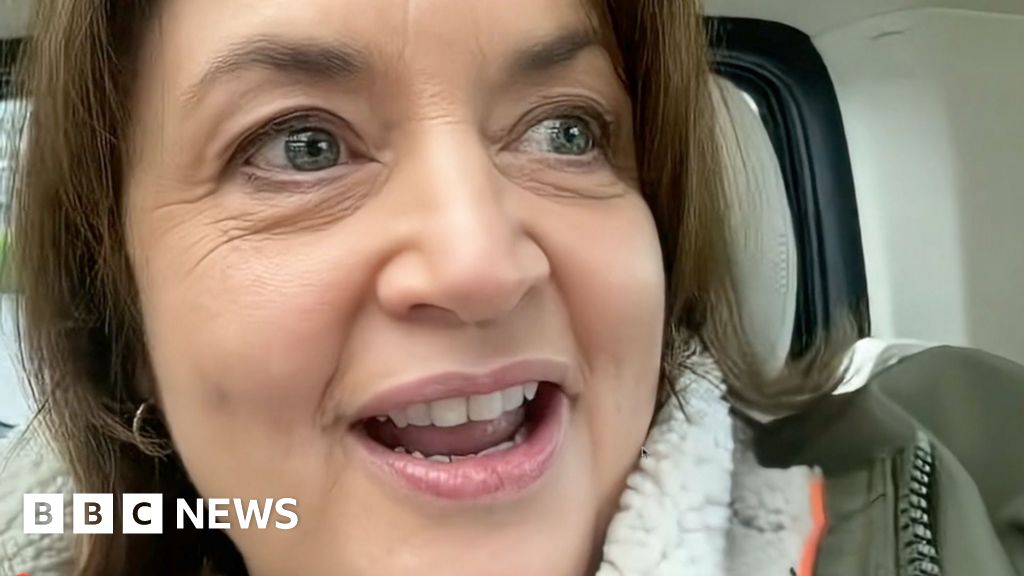
Campaigners outside Westminster also reacted to the announcement. Martin Frizell, husband of former GMTV presenter Fiona Phillips, expressed optimism following the speech. Frizell, who has cared for Phillips at home since her early-onset Alzheimer’s diagnosis, shared a new photograph of his wife and recalled how she was previously approached to serve as a health minister under Gordon Brown. Writing on social media, Frizell stated that if the Prime Minister follows through on transforming care for sufferers, he could become one of the most consequential politicians of his generation, according to reporting by Aol.
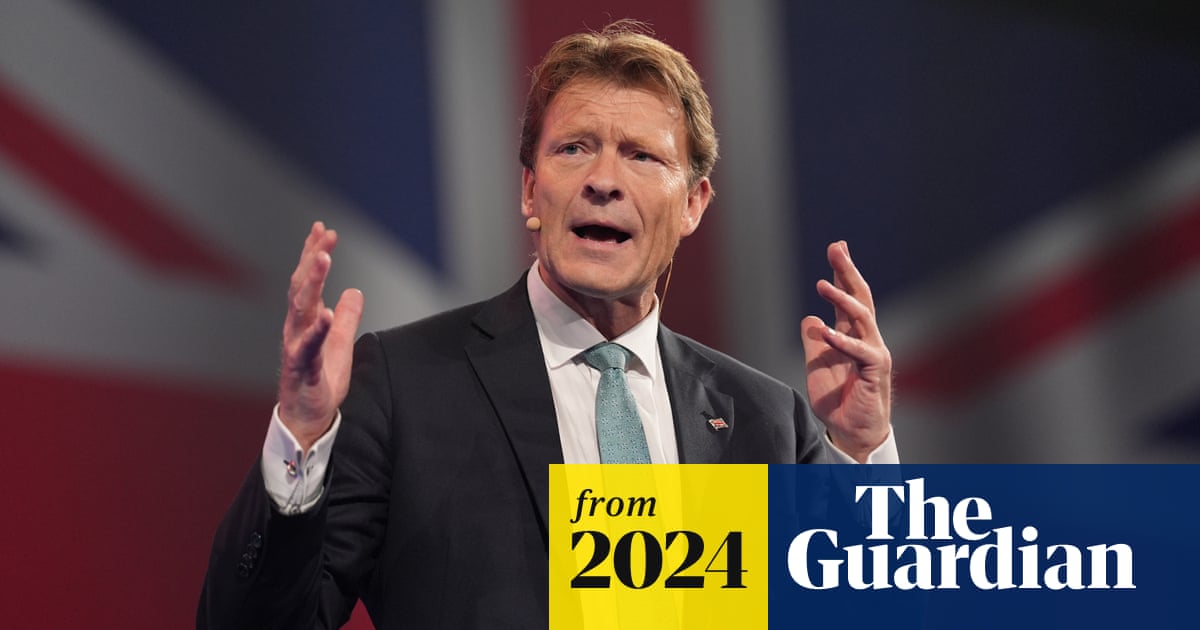
Not all political figures welcomed the cross-party initiative. Reform UK leader Nigel Farage criticised the closed-door meetings for excluding his party, condemning the discussions as an attempt by the political establishment to orchestrate future tax rises.
"If Andy Burnham is serious about putting politics aside to solve Britain’s biggest problems, it’s remarkable that he’s chosen to ignore Reform,"
Nigel Farage, Reform UK leader, via Mirror
Addressing reporters after his address, Burnham maintained that his administration will adhere to existing manifesto commitments regarding taxation while seeking to eliminate profiteering and unnecessary cost-cutting within private care providers. He stated an ideal preference that elderly citizens should not be forced to sell their family homes to finance late-life care.
Key elements of the social care reform strategy
- Acceleration of Baroness Louise Casey's independent commission to report within a year.
- Establishment of a national public conversation to evaluate funding mechanisms and public expectations.
- Cross-party engagement involving the Labour government, Liberal Democrats, and Conservatives.
- Prioritisation of workforce standards and dementia-specific training for care professionals.
As the administration prepares for further consultation over the summer break, further developments are expected as Baroness Casey’s commission gathers public input and opposition parties formulate their responses to the government's proposed roadmap.
How significant is this development?
Contribute your assessment to the aggregated reader sentiment ledger.
Frequently Asked Questions
Key questions answered in this reportWhat is the key development in: Andy Burnham prioritises social care reform over assisted dying debate?
Prime Minister Andy Burnham has announced that comprehensive adult social care and palliative care reform will take precedence over any legislative changes to assisted dying.
Why is this Politics development significant for the UK?
This report covers critical events in our Politics beat. Independent reporting monitors related UK statements, regulatory shifts, and public responses as further verified details emerge.
How was this reporting corroborated and verified?
Newsarchy UK compiles and cross-references reporting from primary reporting from aol.co.uk and cross-checked wire reports. All coverage adheres to published editorial standards.
When was this report published?
This briefing was published on July 29, 2026 and is permanently cataloged in the Newsarchy UK Politics archives.