Andy Burnham says another Scottish independence referendum is off limits
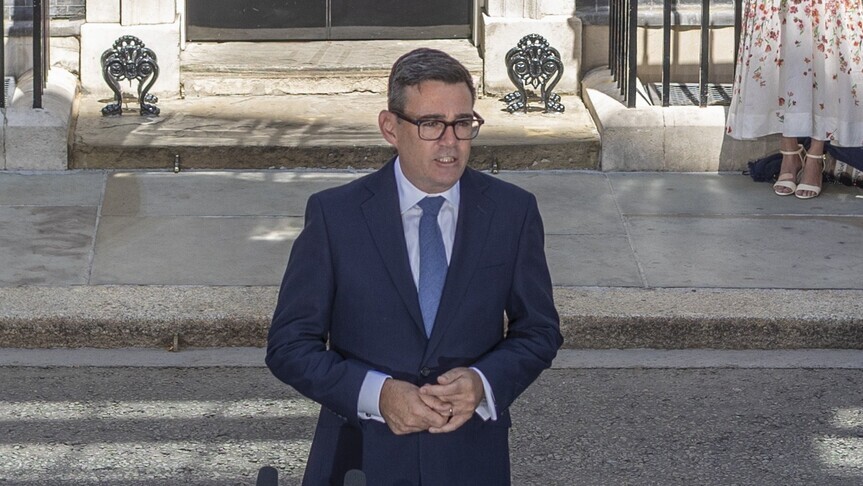
Prime Minister Andy Burnham told First Minister John Swinney that a new independence referendum is off limits, focusing instead on potential further devolution.
- Core Development: Prime Minister Andy Burnham told First Minister John Swinney that a new independence referendum is off limits, focusing instead on potential further devolution.
- Beat Context: Categorized under Politics with independent corroboration.
- Reporting Depth: 3 minute analytical read synthesized from verified newsroom sources.
In a first‑hand meeting in Glasgow, Prime Minister Andy Burnham told First Minister John Swinney that a further vote on Scottish independence is “off limits”.
Burnham’s stance was delivered during the leaders’ first in‑person conversation since his premiership began, a bilateral meeting at the Cabinet Office in Atlantic Square. A Downing Street spokesperson summarised the exchange, noting the prime minister’s belief that “another referendum on independence was off limits because it would take our focus away from growing the economy and helping families with the cost of living”.
Media additions

For Swinney, the meeting signalled an invitation to discuss deeper devolution. The Scottish Government’s read‑out, reported by The National, said the prime minister “welcomed the First Minister’s willingness to engage” with a model of devolution that could “improve the lives of people across Scotland”. Burnham also pledged “not to bypass the Scottish Parliament and Scottish Government in further devolution of powers”, and hinted at regular future talks.
Despite the conciliatory tone on devolved powers, the two leaders remain at odds over constitutional futures. The Scottish government’s statement highlighted Swinney’s insistence that any devolution must respect “Scotland’s right to choose its own future”. The First Minister, fresh from a mandate and a recent parliamentary vote supporting the independence case, warned that “the democratic argument for independence will continue”.
What the parties say
- Burnham (Prime Minister) – Declared a new referendum “off limits”, arguing it would divert attention from economic growth and cost‑of‑living relief.
- Swinney (First Minister) – Stressed the need for devolution built on respect for Scotland’s right to self‑determination and promised to keep the independence debate alive in Parliament.
- Gillian Mackay (Scottish Green co‑leader) – Called the “off limits” line “ridiculous”, insisting democracy cannot be barred and accusing Westminster of worsening living standards while offering hollow devolution promises.
- Nick McKerrell (Legal expert, quoted by The National) – Warned that any new structures imposed from Westminster would have to circumvent the Scottish Parliament, risking legal battles.
“Democracy can’t be off limits. Scotland’s future should be decided by the people who live here, not by Andy Burnham.”
Gillian Mackay, Scottish Green co‑leader, via The National
Burnham’s message also echoes his earlier remarks to leaders of other devolved administrations, where he “ruled out further referendums” and focused on “practical measures, not constitutional changes”.
Historical backdrop
The 2014 independence referendum saw a 55.3% majority to remain in the United Kingdom, a result that has been repeatedly invoked by unionists. Yet the 2016 Brexit vote, in which 62% of Scottish voters chose to remain in the EU, reignited calls for a “second chance” at independence, with proponents arguing that an independent Scotland could re‑join the bloc.
Burnham’s refusal to “bypass” Holyrood on devolution is therefore set against a backdrop of an SNP that feels both electorally validated and constitutionally frustrated.
Implications for the UK‑Scotland relationship
Burnham’s “off limits” stance may tighten the political climate in Edinburgh, but the promise of deeper devolution could open new policy battlegrounds. Legal scholar Nick McKerrell’s warning that Westminster would need to “circumvent the Holryood Parliament” underscores the constitutional friction that any devolution package could provoke.
Economically, Burnham linked the referendum debate to “re‑industrialising” communities and tackling the cost of living. Critics, notably from the Scottish Greens, argue that Westminster’s own fiscal policies have “pushed up bills” and that devolution promises have “yet to be delivered”. The energy profits levy, described by Swinney as “the biggest obstacle to investment in the north east”, adds another layer to the debate, suggesting that fiscal tools remain contested.
Burnham’s declaration that another independence vote is “off limits” does not close the constitutional conversation. Instead, it reframes the debate around the shape and depth of devolution, economic regeneration, and the political legitimacy of a nation’s right to self‑determination.
How significant is this development?
Contribute your assessment to the aggregated reader sentiment ledger.
Frequently Asked Questions
Key questions answered in this reportWhat is the key development in: Andy Burnham says another Scottish independence referendum is off limits?
Prime Minister Andy Burnham told First Minister John Swinney that a new independence referendum is off limits, focusing instead on potential further devolution.
Why is this Politics development significant for the UK?
This report covers critical events in our Politics beat. Independent reporting monitors related UK statements, regulatory shifts, and public responses as further verified details emerge.
How was this reporting corroborated and verified?
Newsarchy UK compiles and cross-references reporting from primary reporting from thenational.scot and cross-checked wire reports. All coverage adheres to published editorial standards.
When was this report published?
This briefing was published on July 23, 2026 and is permanently cataloged in the Newsarchy UK Politics archives.