Andy Burnham signals major tax raid to fund free social care
Prime Minister Andy Burnham has pledged to make adult social care free at the point of use across Britain, setting up an election battle over tax rises.
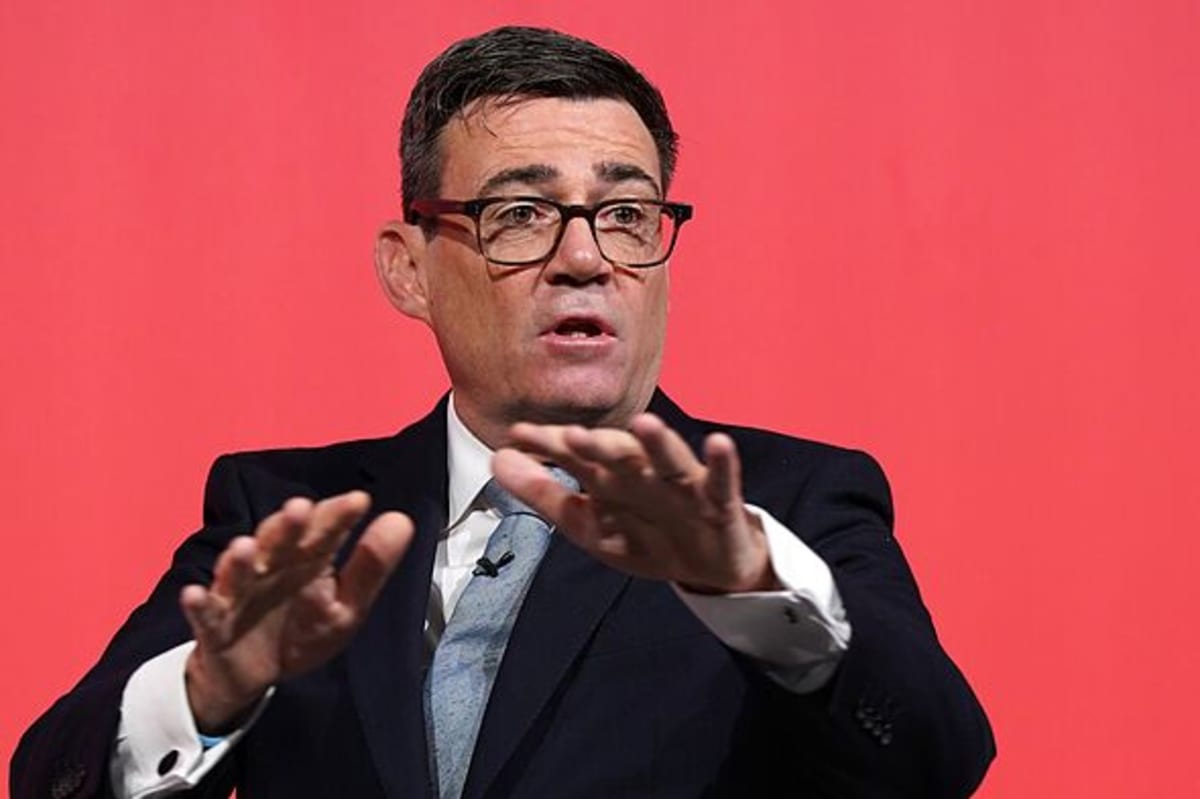
- Core Development: Prime Minister Andy Burnham has pledged to make adult social care free at the point of use across Britain, setting up an election battle over tax rises.
- Beat Context: Categorized under Politics with independent corroboration.
- Reporting Depth: 5 minute analytical read synthesized from verified newsroom sources.
Prime Minister Andy Burnham has signalled that he is prepared to fight the next general election on tax rises to fund a major overhaul of adult social care, pledging to make care free at the point of use across Britain. Speaking at the start of his first Labour Party conference as leader in Liverpool, Mr Burnham declared his intention to tackle one of the most persistent domestic policy failures in modern British politics, warning that the NHS would collapse under mounting pressure if the care system is left unreformed. The sweeping policy shift sets up a high-stakes electoral battle over taxation, wealth, and the future of public services as the administration grapples with elevated borrowing costs and tight fiscal constraints.
The proposed overhaul would reshape adult social care so that individuals no longer face the catastrophic bills that frequently force families to sell their homes or fall into debt. Unlike healthcare, adult social care in England is heavily means-tested. In England and Northern Ireland, people with savings worth more than £23,250 receive no council assistance with care costs, and healthcare think tank the King's Fund notes that approximately one in seven people currently pays in excess of £100,000 for their care. According to Aol, Mr Burnham stated he would "rip the plaster off" social care and refuse to dodge difficult decisions, admitting the plan could prove difficult or unpopular with some voters.
Media additions
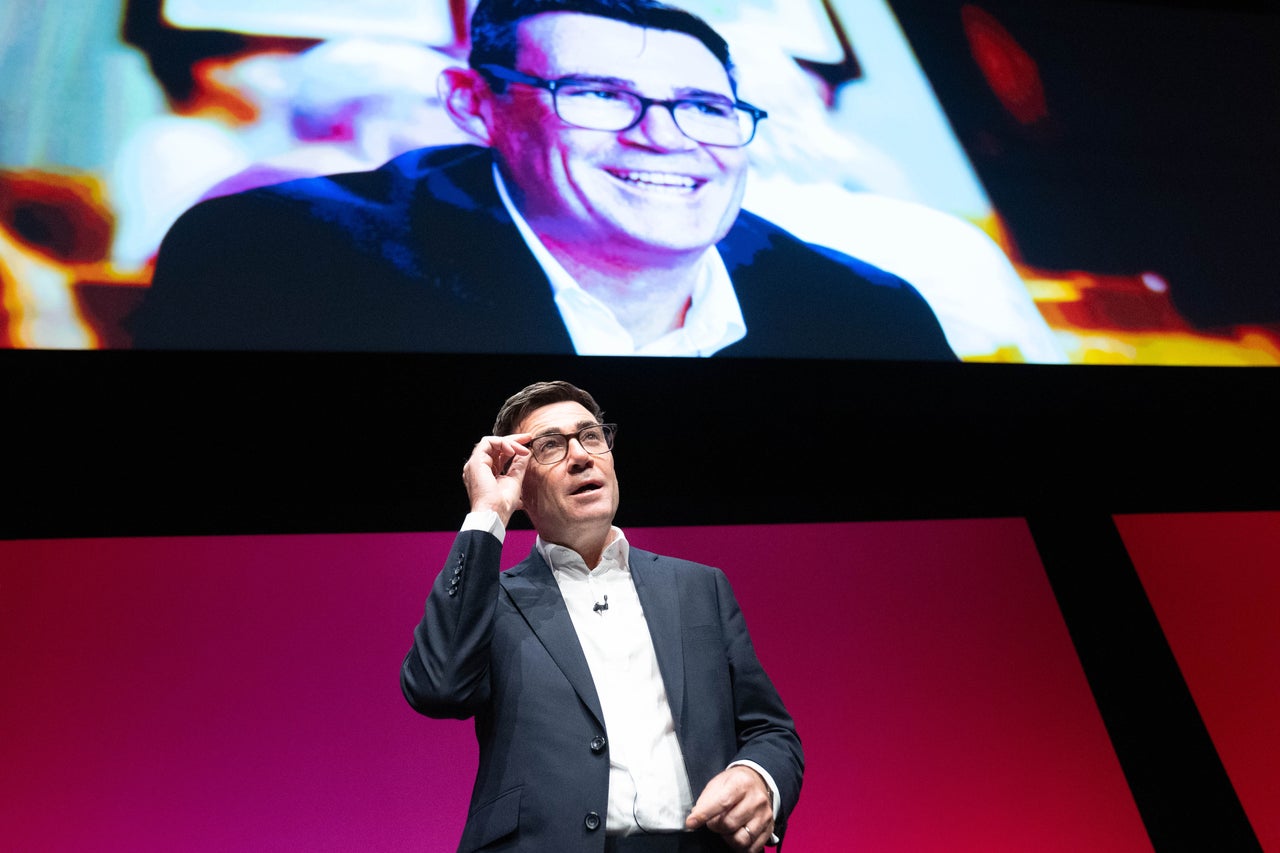
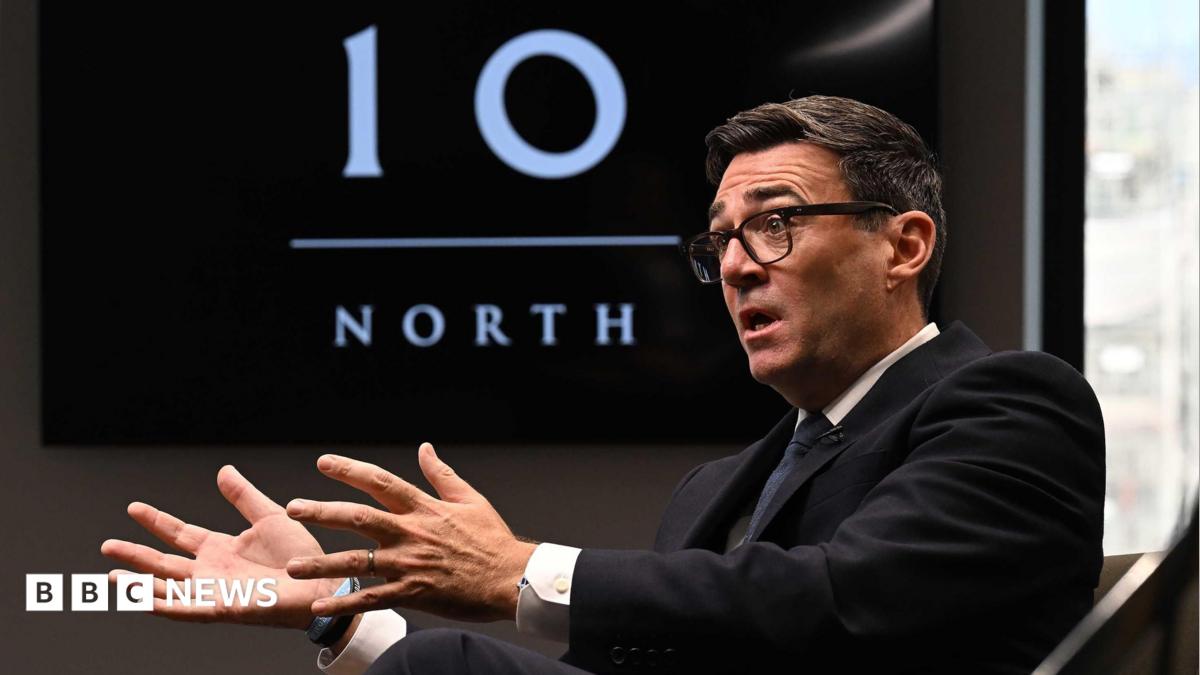
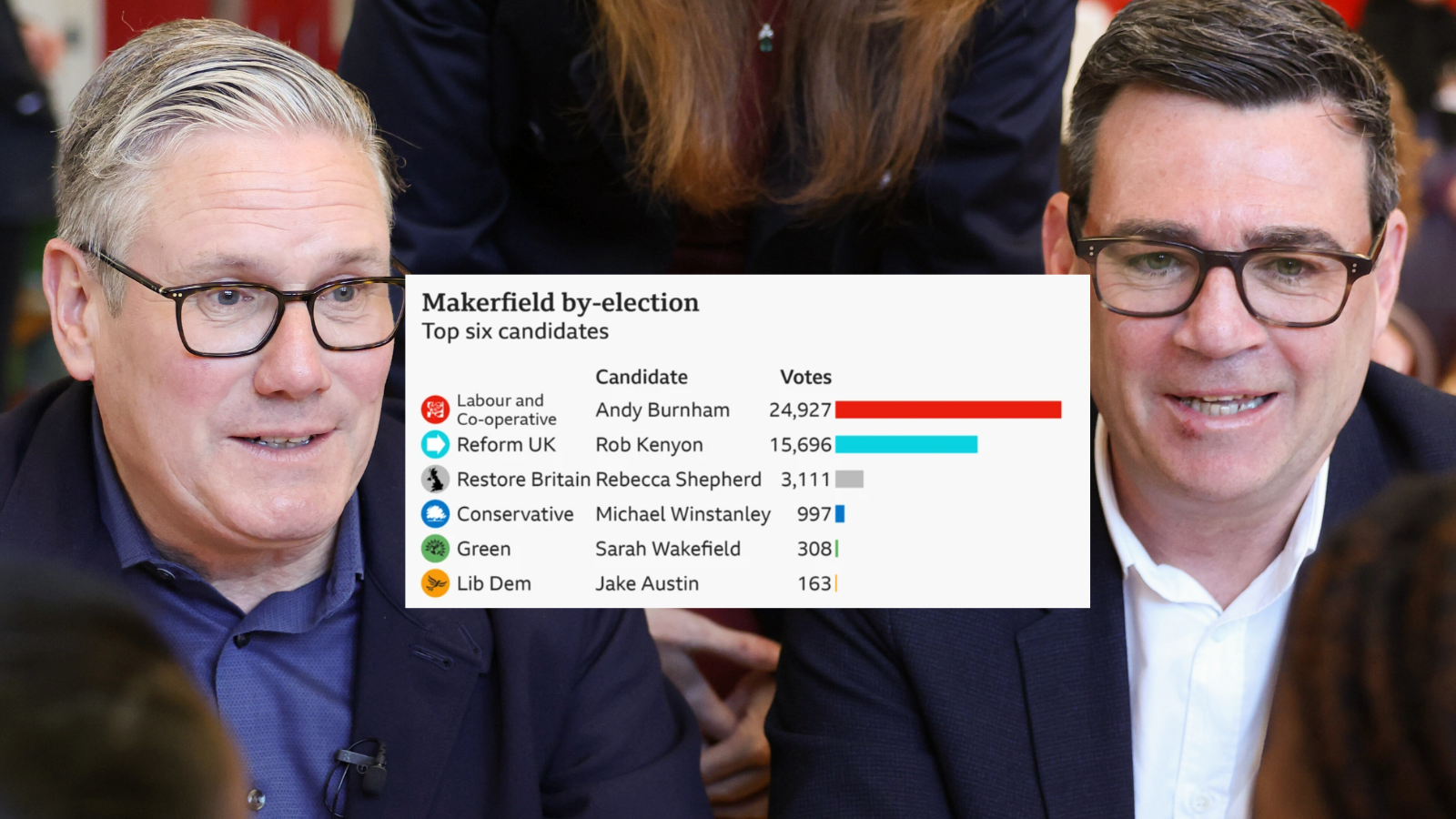
The Prime Minister's personal connection to the issue was underscored following the recent death of his father after time spent in a care home, strengthening his resolve to fix a system he first attempted to reform as health secretary under Gordon Brown in 2009. That earlier effort, which involved proposals funded via a levy on estates, was branded a "death tax" by opponents and shelved following the 2010 election defeat. Speaking to the BBC, Mr Burnham warned that without substantial structural changes, the NHS would collapse under the weight of caring for people who end up hospitalized simply because appropriate community support is unavailable.
By delaying the final funding package, Mr Burnham is granting Chancellor John Healey room to manoeuvre ahead of the upcoming Budget on 28 October 2026. The government is currently navigating high borrowing costs, a rising welfare bill, and a shortfall in defence funding, with ministers refusing to commit to an immediate timeline for hitting a 3 per cent of GDP defence spending target. Moving the full social care proposal to the general election allows the Treasury to avoid immediate fiscal shocks while the independent Casey Commission accelerates its review, though Baroness Louise Casey is not scheduled to deliver her final recommendations until 2028.
| Key Proposal / Issue | Details Reported | Source / Attribution |
|---|---|---|
| Social Care Reform | Pledge to make care free at the point of use, funded across the population and put to voters at the next general election due by mid-2029. | Aol / Business Upturn |
| Casey Commission Review | Independent review examining social care solutions; Prime Minister wants to speed up the schedule ahead of its expected 2028 final recommendations. | BBC |
| Funding & Welfare Options | Potential options raised by figures include scrapping the pensions triple lock or reforming capital gains tax to help fund public services. | Aol / Tax Justice UK |
| Current Means-Testing Threshold | In England and Northern Ireland, individuals with savings exceeding £23,250 are ineligible for council help with care costs. | BBC |
The political fallout has been immediate, drawing sharp reactions across the political spectrum. Conservative leader Kemi Badenoch wrote to the Prime Minister urging him to rule out tax rises and increased borrowing to fund the reforms, arguing that any solution must remain fair to individuals who have saved over their lifetimes. Conservative Party chairman Kevin Hollinrake dismissed the conference theme of hope, stating that Labour's tax policies had crushed businesses and family finances. Meanwhile, Reform Treasury spokesman Robert Jenrick warned that his party would fight any proposal for a universal death tax that raids life savings.
Other political figures have offered conditional engagement. Liberal Democrat leader Sir Ed Davey expressed readiness to find a lasting consensus, emphasizing that family carers must be at the heart of any new system and that no one should lose their home. Sarah Woolnough, chief executive of the King's Fund, noted on BBC Radio 4's Today programme that while reforms carrying a cost in the low billions per year would be expensive, they are proportionate when compared to the £200 billion spent annually on the NHS. Meanwhile, analysis by Tax Justice UK highlights that broader tax adjustments—such as equalising capital gains tax with income tax or reforming business rates on warehouses and vacant properties—remain part of the wider debate over wealth and public financing.
Broader policy adjustments are also under consideration as the administration seeks to rein in public spending. Mr Burnham suggested that welfare support could face increased conditions, telling the BBC that the country must get serious about reducing the welfare bill and helping young people enter work. At the same time, Number 10 explicitly denied that the government is actively considering scrapping council tax or stamp duty, with Mr Burnham confirming to reporters that stamp duty changes will not feature at the forthcoming Budget.
The government must now navigate the upcoming Budget on 28 October 2026, manage ongoing defence and welfare funding gaps, and await the accelerated findings of the Casey Commission ahead of the general election due by mid-2029.
How significant is this development?
Contribute your assessment to the aggregated reader sentiment ledger.
Frequently Asked Questions
Key questions answered in this reportWhat is the key development in: Andy Burnham signals major tax raid to fund free social care?
Prime Minister Andy Burnham has pledged to make adult social care free at the point of use across Britain, setting up an election battle over tax rises.
Why is this Politics development significant for the UK?
This report covers critical events in our Politics beat. Independent reporting monitors related UK statements, regulatory shifts, and public responses as further verified details emerge.
How was this reporting corroborated and verified?
Newsarchy UK compiles and cross-references reporting from primary reporting from Business Upturn and cross-checked wire reports. All coverage adheres to published editorial standards.
When was this report published?
This briefing was published on September 29, 2026 and is permanently cataloged in the Newsarchy UK Politics archives.


