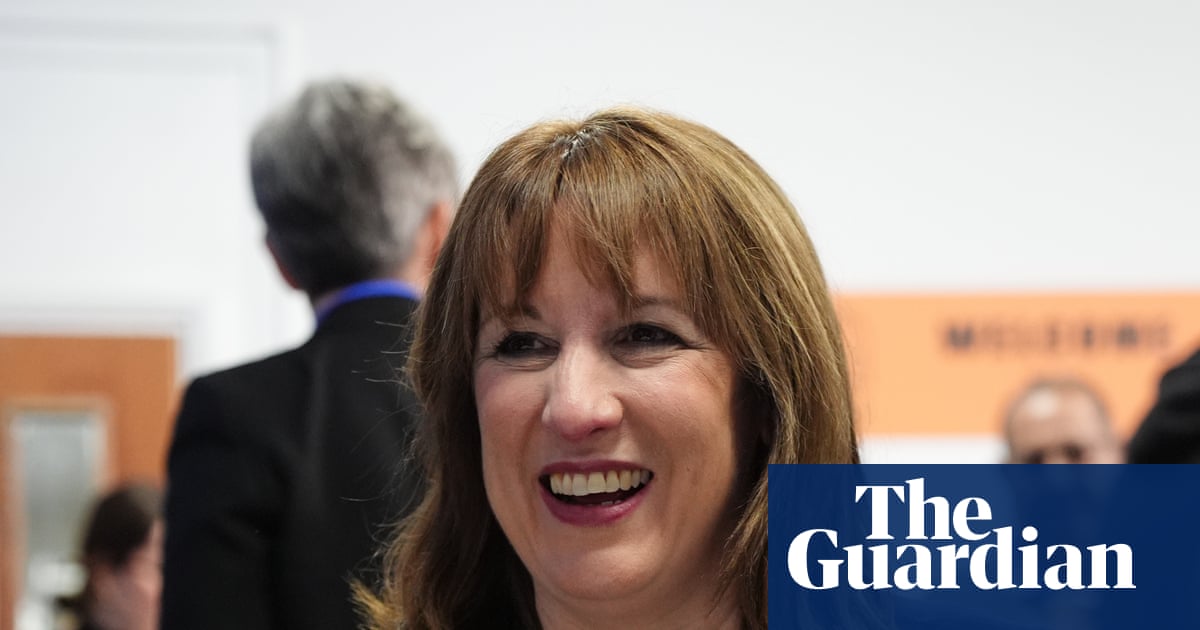
We’re ready to ditch two-state solution, says Arab-Israeli election kingmaker
Joint List leader Yousef Jabareen stated that Palestinians are prepared to abandon the two-state solution in favour of a bi-national state model.

- Core Development: Joint List leader Yousef Jabareen stated that Palestinians are prepared to abandon the two-state solution in favour of a bi-national state model.
- Beat Context: Categorized under Politics with independent corroboration.
- Reporting Depth: 4 minute analytical read synthesized from verified newsroom sources.
A leading Arab-Israeli politician has signalled a profound strategic shift in the regional political landscape, declaring that Palestinian communities are prepared to abandon the long-standing pursuit of an independent two-state solution in favour of a bi-national state model, provided full voting rights and civil equality are guaranteed.
According to reporting from Yahoo News, Yousef Jabareen made the remarks during a hectic campaign schedule ahead of the general election. As head of the Joint List, one of two formal groupings of Arab-Israeli parties standing for the Knesset, Mr Jabareen could find himself holding the balance of power as polls indicate neither Benjamin Netanyahu's governing coalition nor the opposition bloc will secure a majority.
Media additions


The formal policy of the Arab League, most European nations — including Britain — and technically the United States remains the traditional two-state solution. However, decades of settlement expansion have created a reality where nearly 600,000 Israelis live across the West Bank in roughly 150 conurbations connected by military-controlled roads. Mr Jabareen argued that the Palestinian public is increasingly driven by pragmatism over traditional nationalism due to the harsh daily realities of movement restrictions and lack of basic franchise.
"We don't insist on the two-state solution. We are saying we accept a two-state solution. There is a difference between the ideas."
Yousef Jabareen, Joint List leader, via Yahoo News
Instead, Mr Jabareen envisages a single political entity formally recognising distinct national groups while granting equal civil rights. Such a scenario would effectively end the dream of independent Palestinian statehood while challenging Israel's Jewish majority, given that the combined population of Arabs and Jews in Israel and the occupied territories sits at approximately 7.4 million compared to 7.35 million by some measures.
Domestically, the Israeli election campaign unfolds against a backdrop of severe socio-economic grievances within Arab-Israeli towns. Mr Jabareen pointed to public funding cuts and withdrawn policing under the current administration of Benjamin Netanyahu, Itamar Ben-Gvir, and Bezalel Smotrich, ministers in office since 2022, which he claims have correlated with soaring murder rates. While official party policy makes local funding and policing overhauls primary demands, any path to a governing coalition under prospective centrist leader Gadi Eisenkot remains politically delicate.
While the Joint List leader rules out entering a formal coalition that maintains control over the West Bank and Gaza, he remains open to supporting a minority government from the outside to oust the incumbent administration. This strategy mirrors historical precedents from the 1990s under Yitzhak Rabin.
The erosion of traditional political structures is not confined to the Middle East. Observers note striking parallels in Western democracies, where long-standing two-party systems are fracturing under the weight of populist movements, identity politics, and declining partisan loyalties. In the United Kingdom, local and regional electoral contests continue to demonstrate the decline of the post-war duopoly.
Commentators writing in Unlock Democracy note that the combined vote share for Labour and the Conservatives plummeted to historic lows at recent general elections, reflecting a wider "conscious uncoupling" of voters from traditional class-based party loyalties. Academic analysis from LSE Blogs reinforces this assessment, highlighting how the 2016 Brexit referendum forged enduring political identities that continue to reshape electoral competition into multi-party blocs.
At the same time, international security frameworks face unprecedented strain. Reporting on transatlantic relations and European defense notes that American political shifts and foreign policy decisions, such as restrictions on satellite communications infrastructure in Ukraine and altered energy policies, have left European allies questioning the reliability of traditional security umbrellas, according to analysis from En.
| Region / System | Traditional Paradigm | Current Fragmentation / Shift |
|---|---|---|
| Israel | Two-state solution / Majoritarian coalitions | Emergence of bi-national state discourse; potential kingmaker role for Arab parties |
| United Kingdom | Conservative-Labour duopoly | Five-way electoral split; rising vote shares for Reform UK and Green Party |
| Australia | Two-side legislative contest | Decline in major party primary votes; expansion of crossbench independents |
As political actors navigate these seismic shifts, attention turns to the immediate electoral calendar. Voters in Israel head to the polls on October 27, 2026, where turnout among the 1.1 million eligible Arab-Israeli citizens will determine whether figures like Mr Jabareen can successfully translate demographic weight into legislative leverage. Meanwhile, European governments prepare for upcoming fiscal announcements and legislative battles against a backdrop of heightened international instability.
How significant is this development?
Contribute your assessment to the aggregated reader sentiment ledger.
Frequently Asked Questions
Key questions answered in this reportWhat is the key development in: We’re ready to ditch two-state solution, says Arab-Israeli election kingmaker?
Joint List leader Yousef Jabareen stated that Palestinians are prepared to abandon the two-state solution in favour of a bi-national state model.
Why is this Politics development significant for the UK?
This report covers critical events in our Politics beat. Independent reporting monitors related UK statements, regulatory shifts, and public responses as further verified details emerge.
How was this reporting corroborated and verified?
Newsarchy UK compiles and cross-references reporting from primary reporting from Christian Action Research and Education and cross-checked wire reports. All coverage adheres to published editorial standards.
When was this report published?
This briefing was published on October 18, 2026 and is permanently cataloged in the Newsarchy UK Politics archives.