Asylum seekers to repay around £10,000 in costs under new bill
New legislation requires asylum seekers to repay £10,000 toward state-funded accommodation and subsistence costs. Critics argue the policy is punitive and could hinder the integration process for refugees.

- Core Development: New legislation requires asylum seekers to repay £10,000 toward state-funded accommodation and subsistence costs. Critics argue the policy is punitive and could hinder the integration process for refugees.
- Beat Context: Categorized under Politics with independent corroboration.
- Reporting Depth: 3 minute analytical read synthesized from verified newsroom sources.
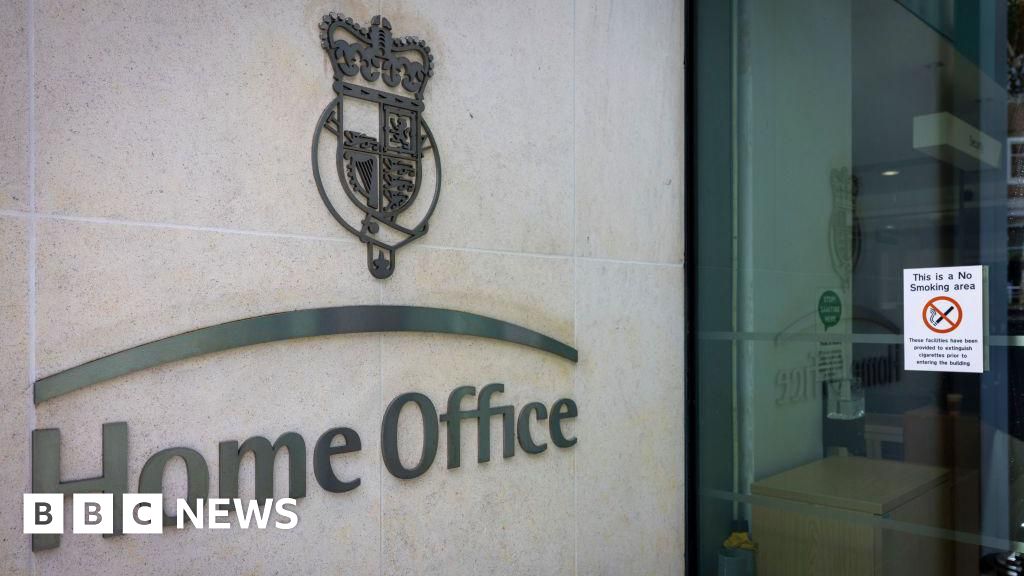
The government is set to introduce new legislation this week that would require asylum seekers to repay approximately £10,000 towards the cost of their state-funded accommodation and subsistence. Under the proposed Immigration and Asylum Bill, which arrives in Parliament on Tuesday, adults who receive support will be expected to make monthly contributions once they are employed and earning above a specific threshold. Payment of the full sum is set to become a mandatory prerequisite for obtaining Indefinite Leave to Remain, the status required for permanent residency in the UK.
Home Secretary Shabana Mahmood has framed the policy as a matter of fiscal responsibility and fairness to the taxpayer. According to the Home Office, the annual cost of asylum support reached £4 billion last year. While the government claims it has already reduced these costs by £1 billion, officials state that requiring those with the ability to pay to contribute is a necessary step.
Media additions


"Receiving asylum support is a right, but it is also a responsibility. Once people can contribute and repay the generosity of the British people, we expect them to do so."
Shabana Mahmood, Home Secretary
Financial and Administrative Mechanics
The proposed repayment system is modeled on income-linked structures similar to student loans. The Home Secretary will retain discretion to adjust both the flat-rate charge and the income thresholds in the future. For individuals who leave the UK, the debt remains: the Home Office has indicated that any return to the country would be conditional on the full repayment of the outstanding balance. The policy will apply prospectively, affecting those who receive support after the legislation takes effect.
Current Home Office estimates highlight the disparity in costs depending on the type of housing provided. The average cost per night is reported as:
- Dispersal accommodation: £23.25
- Hotel accommodation: £144
Subsistence payments for those in the system range from £9.95 to £49.18 per person per week. Because the proposed £10,000 figure is a flat rate, analysts have noted it may not reflect the actual duration of an individual's stay or the specific type of accommodation used.
Expert and Sector Criticism
The announcement has drawn significant criticism from migration experts and charities. Dr. Madeleine Sumption, director of the Migration Observatory at the University of Oxford, raised concerns regarding the policy’s effectiveness. She pointed to data showing that many refugees do not reach high earning levels quickly, suggesting that the actual amount the government recoups may be modest.
"The data suggests that unless thresholds were significantly below the minimum wage, a relatively small share of people granted asylum would earn enough to make contributions to the scheme."
Dr. Madeleine Sumption, Migration Observatory, via The Standard
Charitable organisations have described the policy as punitive. Zoe Dexter, representing the Helen Bamber Foundation, characterised the plan as "more performative cruelty" that actively hinders the integration process by saddling individuals with debt just as they begin to rebuild their lives. Similarly, the Refugee Council warned that the policy functions as an "extra tax" on vulnerable people, noting that the Home Office’s own restrictions on working while an asylum claim is being processed often lead to the very destitution that necessitates state support.
Political Context
The proposal has also stirred debate within Westminster. Shadow Home Secretary Chris Philp claimed the policy mirrored previous Conservative suggestions, stating that Labour had previously blocked a similar amendment to immigration legislation. Meanwhile, as the government continues its drive to close asylum hotels—having closed 31 sites since April—the shift toward using former military sites and dispersal accommodation remains a point of contention.
How significant is this development?
Contribute your assessment to the aggregated reader sentiment ledger.
Frequently Asked Questions
Key questions answered in this reportWhat is the key development in: Asylum seekers to repay around £10,000 in costs under new bill?
New legislation requires asylum seekers to repay £10,000 toward state-funded accommodation and subsistence costs. Critics argue the policy is punitive and could hinder the integration process for refugees.
Why is this Politics development significant for the UK?
This report covers critical events in our Politics beat. Independent reporting monitors related UK statements, regulatory shifts, and public responses as further verified details emerge.
How was this reporting corroborated and verified?
Newsarchy UK compiles and cross-references reporting from primary reporting from express.co.uk and cross-checked wire reports. All coverage adheres to published editorial standards.
When was this report published?
This briefing was published on July 6, 2026 and is permanently cataloged in the Newsarchy UK Politics archives.


