US to impose toughest sanctions ever on Iran and urges China to cooperate
The United States has announced a dramatic financial escalation in its Middle East conflict, preparing historic sanctions against Iran while pressing China to halt its massive oil imports.
- Core Development: The United States has announced a dramatic financial escalation in its Middle East conflict, preparing historic sanctions against Iran while pressing China to halt its massive oil imports.
- Beat Context: Categorized under World with independent corroboration.
- Reporting Depth: 4 minute analytical read synthesized from verified newsroom sources.
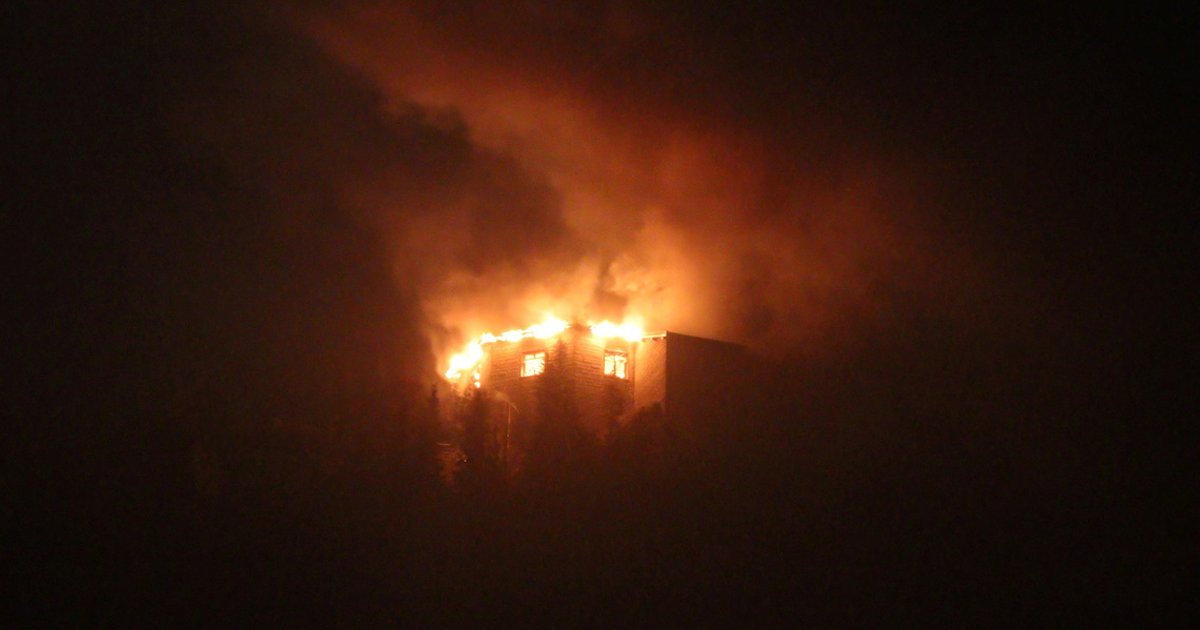
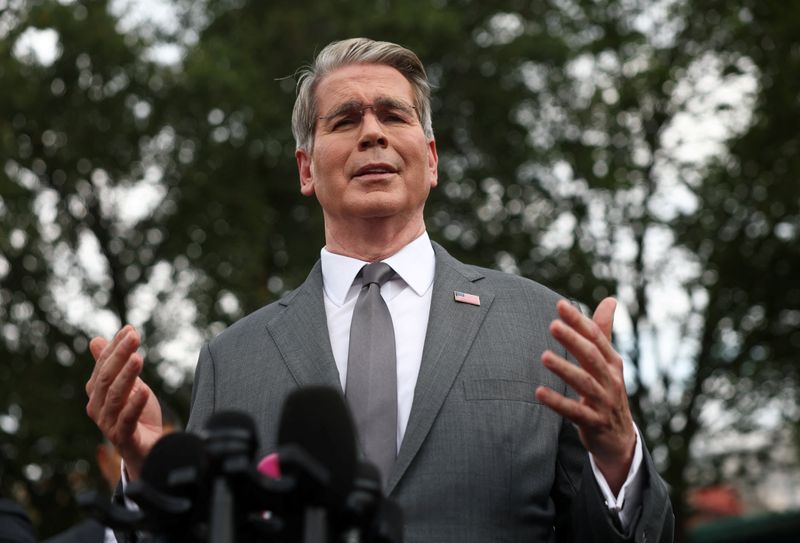
The United States has signalled a dramatic pivot in its ongoing conflict in the Middle East, launching an aggressive new campaign aimed at dismantling Iran’s economy. U.S. Treasury Secretary Scott Bessent announced on Thursday, Aug 20, 2026, that Washington will implement the toughest sanctions in history against Tehran. According to reporting detailed by Aol and The Straits Times, this escalation marks a major shift towards financial isolation as a prolonged war drags on.
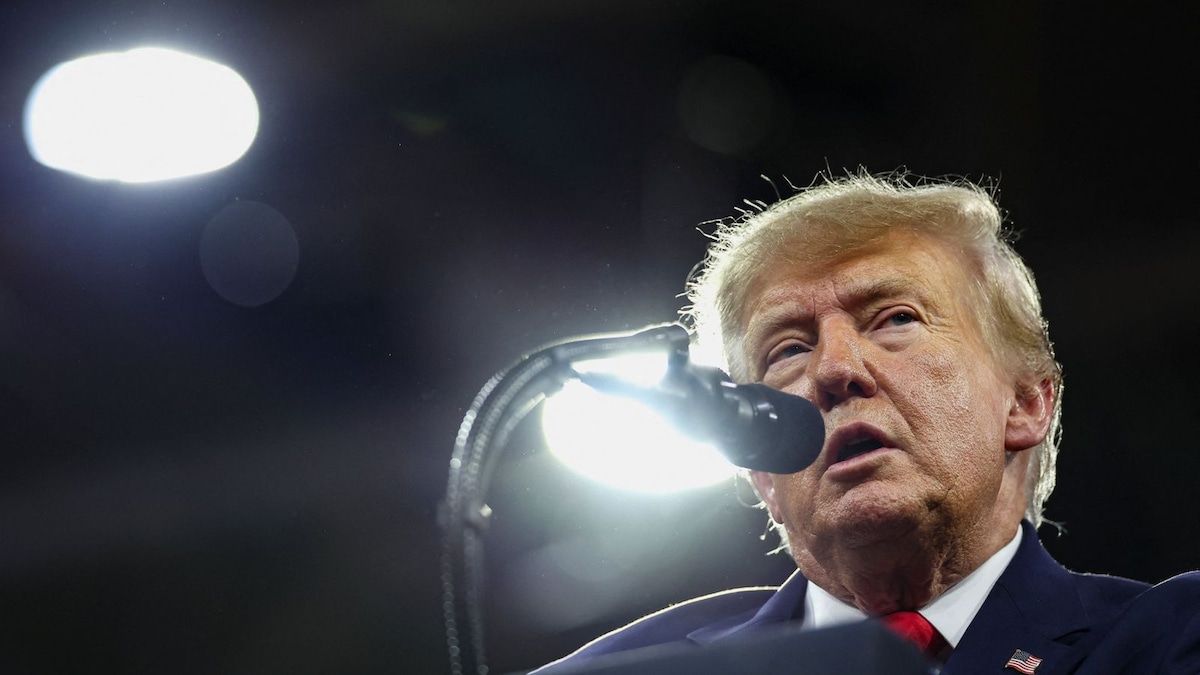
The strategic move comes as the military campaign approaches the six-month mark after beginning on Feb 28, 2026. With momentum stalled and domestic political pressures mounting at home alongside looming midterm elections, the administration is shifting focus away from heavy combat operations. President Donald Trump promised the most crushing economic operation ever against Iran, declaring that any country providing a lifeline to Tehran would face severe economic consequences.
Media additions
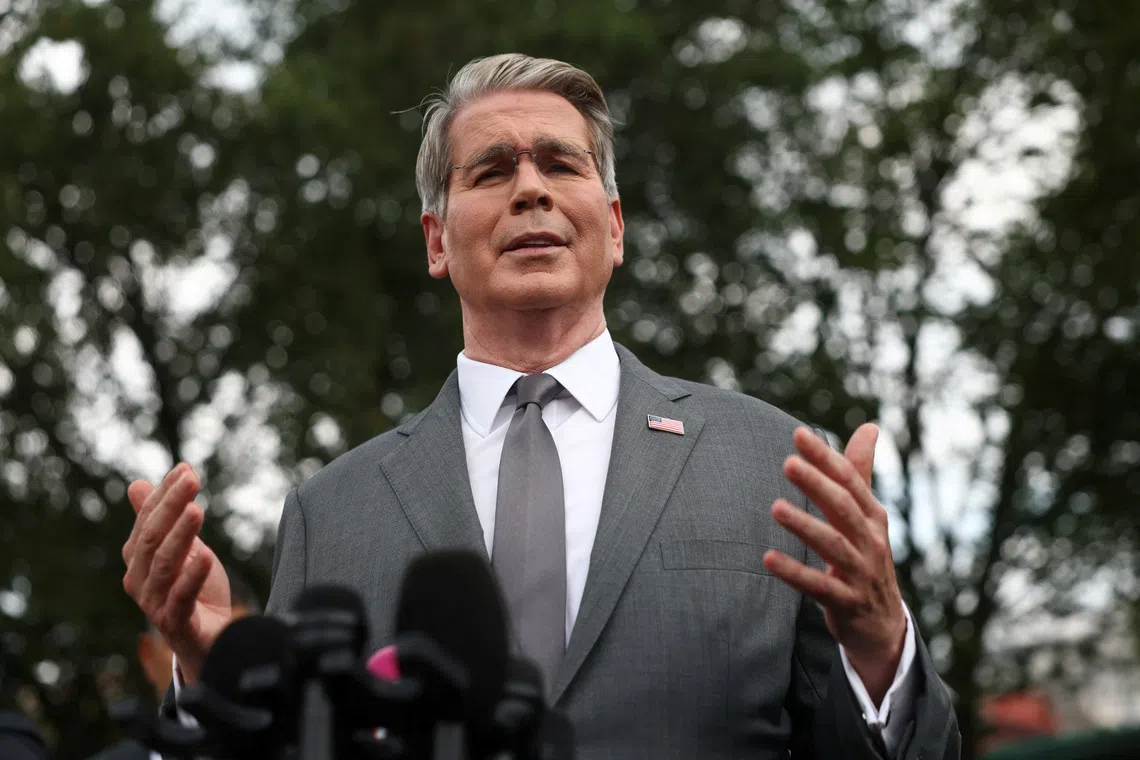
Bessent outlined the administration's aggressive posture during media appearances on Aug 20, 2026, telling CNBC that the strategy relies on a combination of a naval blockade and unprecedented financial isolation.
"It is a one-two punch. We have the blockade, and we are going to have the toughest sanctions in history. It is going to work in Iran and we are going to collapse this regime."
Scott Bessent, U.S. Treasury Secretary, via Aol
The administration has explicitly demanded that global partners take a side. Bessent warned allies that the policy follows a binary choice, stating that international actors are either with the U.S. Or against it in executing the world's greatest coordinated economic isolation. The treasury chief specifically addressed Beijing, urging Chinese authorities to cooperate with Washington's program. China currently purchases more than eighty per cent of Iran's shipped oil, relying heavily on Gulf energy supplies. Bessent pointed out that the Chinese get half of their energy from inside the Gulf, arguing that it would do them a big service to get with the programme.
The diplomatic friction with Beijing remains a major hurdle for the White House. A spokesperson for China's embassy in Washington pushed back against the threats, stating that sanctions will not help resolve the issue and calling on relevant parties to pursue political and diplomatic solutions. Further high-level friction is anticipated when Chinese President Xi Jinping visits the White House on Sept 24, 2026, following a previous summit in Beijing in May.
Tehran has fiercely condemned the announcements. Iranian Foreign Minister Abbas Araghchi dismissed the economic threats as an attempt to divert attention from domestic financial troubles in the United States, citing record debt and rising interest rates. The Iranian foreign ministry characterized the measures as economic terrorism. Tehran has also maintained a partial closure of the vital Strait of Hormuz, prompting the U.S. To maintain a naval counter-blockade while U.S. Officials insist that everyone wants the strait reopened and energy prices to come down.
Despite the threats of sweeping penalties, analysts note that Iran has lived under various forms of international sanctions for nearly fifty years, since the Islamic Revolution of 1979. While previous restrictions failed to stop Tehran from utilizing a shadow fleet of tankers to move oil, the White House insists the new measures will circumvent past loopholes. Trump's broader strategy also seeks to prevent Iran from developing a nuclear weapon, though six months of war have failed to force Tehran to give up its enriched uranium or abandon its stated plans for nuclear energy.
What to Watch Next
- Treasury Secretary Scott Bessent is scheduled to hold a press conference on Monday, Aug 24, 2026, to provide specific operational details of the sanctions.
- Chinese President Xi Jinping is scheduled to visit the White House on Sept 24, 2026, where bilateral disagreements over Iran are expected to feature prominently in discussions.
- Military positioning in the region continues to shift, highlighted by the recent arrival of a new U.S. Aircraft carrier strike group on Aug 19, 2026, with the USS George Washington replacing the USS Abraham Lincoln following reported conditions during deployment.
Bessent argued that intensifying financial pressure reduces the likelihood of restarting large-scale kinetic military operations, though he emphasized that this assessment applies strictly for the present moment. Meanwhile, global energy markets reacted to the announcements with volatility, as oil prices climbed to more than three-week highs on Thursday, Aug 20, 2026, a movement Bessent suggested oil markets were misinterpreting given the maximum economic pressure being applied.
How significant is this development?
Contribute your assessment to the aggregated reader sentiment ledger.
Frequently Asked Questions
Key questions answered in this reportWhat is the key development in: US to impose toughest sanctions ever on Iran and urges China to cooperate?
The United States has announced a dramatic financial escalation in its Middle East conflict, preparing historic sanctions against Iran while pressing China to halt its massive oil imports.
Why is this World development significant for the UK?
This report covers critical events in our World beat. Independent reporting monitors related UK statements, regulatory shifts, and public responses as further verified details emerge.
How was this reporting corroborated and verified?
Newsarchy UK compiles and cross-references reporting from primary reporting from aol.com and cross-checked wire reports. All coverage adheres to published editorial standards.
When was this report published?
This briefing was published on August 21, 2026 and is permanently cataloged in the Newsarchy UK World archives.