BBC report failed to mention county lines gangs that profit from drugs
Public scrutiny intensifies over media framing of the drug trade as critics highlight the omission of cross-border syndicates and safeguarding failures.

- Core Development: Public scrutiny intensifies over media framing of the drug trade as critics highlight the omission of cross-border syndicates and safeguarding failures.
- Beat Context: Categorized under Politics with independent corroboration.
- Reporting Depth: 4 minute analytical read synthesized from verified newsroom sources.
Public scrutiny over institutional reporting on the illegal drug trade has intensified following widespread criticism that prominent broadcast coverage omitted critical details regarding the cross-border syndicates profiting from illicit substances. While mainstream networks turn their attention toward regional drug death figures, analysts and commentators point to a deeper structural omission in how the crisis is framed, drawing urgent questions about accountability and the systemic spread of narcotics into vulnerable communities.
The debate over media framing and institutional accountability unfolds against a backdrop of severe drug-related harms across the UK. According to reports examining regional drug death statistics, discussions frequently concentrate on local mortality rates without thoroughly investigating the distribution networks behind the supply. Critics have observed that coverage detailing the composition of dangerous new substances—such as synthetic cannabinoids and potent opioids—often fails to account for how these networks operate across regional boundaries.
Media additions
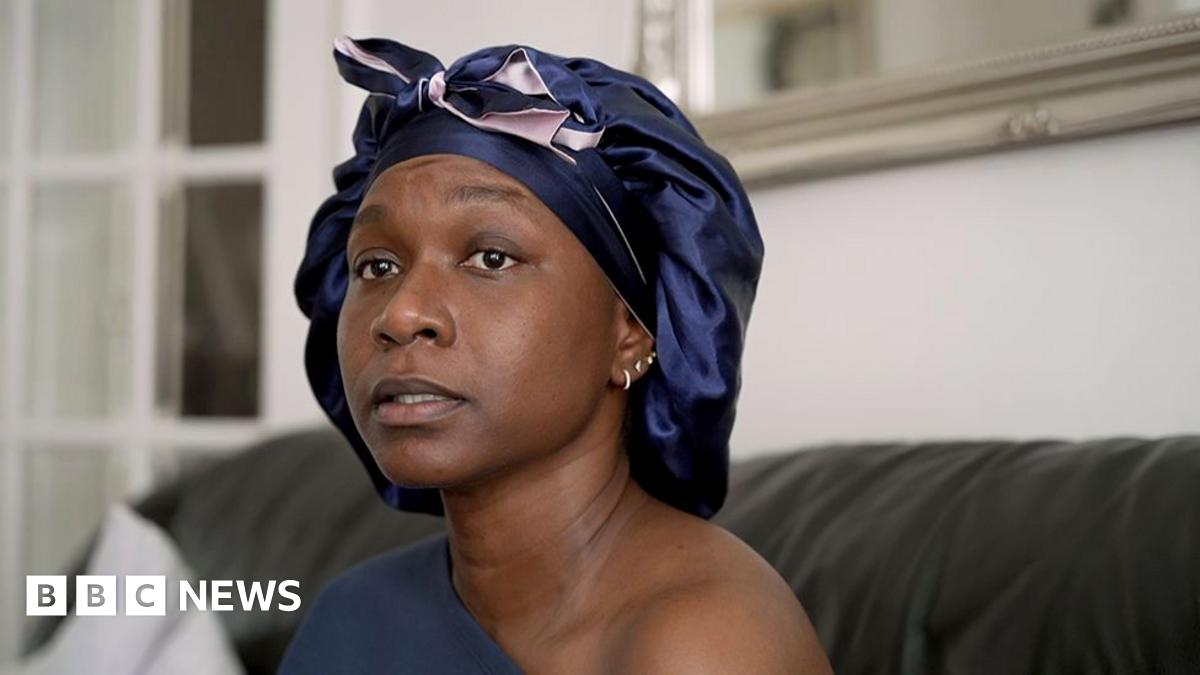
This oversight mirrors broader concerns about how agencies handle child criminal exploitation and county lines drug distribution. In south London, the devastating impact of grooming by drug dealers was laid bare in a recent BBC Panorama investigation reported by Frankie McCamley. The programme detailed the tragic death of 15-year-old Daejaun Campbell, who was stabbed to death on 22 September 2024 on a street in Woolwich after being drawn into the local drug trade. Daejaun’s mother, Jodian Taylor, recounted how repeated pleas for help directed to social services and local education providers were met with inaction and institutional inertia.
According to reporting from the BBC, Greenwich Council initially refused to accept that Daejaun met the threshold for social services intervention, despite clear warning signs that he was being exploited by older dealers. Even after authorities acknowledged the danger, a newly assigned social worker failed to attend two crucial safeguarding meetings in the weeks leading up to the killing. Compounding the family's frustration, school safeguarding officials maintained that strict rules around confidentiality prevented them from sharing vital information with Ms Taylor regarding Daejaun's associations with peers linked to weapons and drug distribution. Jo Lumbis, head of safeguarding at Woolwich Polytechnic for Boys, defended the school's position by stating that students are entitled to confidentiality, leaving parents unaware of the specific threats their children face.
The violent realities of these networks extend far beyond a single case. Imri Doue was found guilty of Daejaun's murder and sentenced to 21 years in prison in October 2025, while Marko Balaz received an 11-year sentence for manslaughter. Within weeks of Daejaun's death, another groomed 14-year-old boy, Kelyan Bokassa, was murdered just over a mile away. Former gang member Michael Jibowu, who campaigns against knife crime after serving a prison sentence, noted that the allure of wealth displayed by older drug dealers makes inner-city teenagers prime targets for grooming.
Official responses from local authorities indicate that formal investigations remain ongoing. Greenwich Council stated that it understands the anger and devastation felt by the families of Daejaun and Kelyan, noting that while knife crime is not unique to the borough, it remains appalled by the violence. Because two safeguarding reviews are currently underway, the council stated it is still unable to comment on the specific circumstances surrounding the killings. Meanwhile, the Metropolitan Police reported that teenage homicides in London have fallen by three-quarters since 2021, emphasizing that their priority is both bringing offenders to justice and safeguarding vulnerable young people.
National child advocacy figures argue that these individual tragedies reflect a wider, systemic breakdown. Dame Rachel de Souza, the Children's Commissioner for England, warned that professionals frequently miss warning signs or fail to respond appropriately to abusive groomers who wield fear as a weapon, leaving victims ignored or wrongly punished as offenders. Legislative changes may soon alter the legal landscape, as the government's Crime and Policing Bill currently in the Lords aims to make child criminal exploitation a specific criminal offence. As policymakers weigh further interventions, readers can follow ongoing developments through The National Scot analysis.
| Case / Incident | Date / Timeline | Key Legal Outcomes & Official Responses |
|---|---|---|
| Daejaun Campbell stabbing | Attacked on 22 September 2024 | Imri Doue sentenced to 21 years in October 2025; Marko Balaz received an 11-year manslaughter sentence. Two safeguarding reviews underway by Greenwich Council. |
| Kelyan Bokassa homicide | Weeks following Daejaun's murder | No-one brought to justice for grooming; police and council investigations continue alongside broader Metropolitan Police safeguarding initiatives. |
What to Watch Next
- The passage and amendment of the Crime and Policing Bill in the House of Lords, which will introduce child criminal exploitation as a specific offence.
- The publication of findings from the ongoing safeguarding reviews commissioned by Greenwich Council regarding the deaths of Daejaun Campbell and Kelyan Bokassa.
- Further official releases regarding regional drug mortality statistics and cross-border law enforcement strategies targeting county lines networks.
How significant is this development?
Contribute your assessment to the aggregated reader sentiment ledger.
Frequently Asked Questions
Key questions answered in this reportWhat is the key development in: BBC report failed to mention county lines gangs that profit from drugs?
Public scrutiny intensifies over media framing of the drug trade as critics highlight the omission of cross-border syndicates and safeguarding failures.
Why is this Politics development significant for the UK?
This report covers critical events in our Politics beat. Independent reporting monitors related UK statements, regulatory shifts, and public responses as further verified details emerge.
How was this reporting corroborated and verified?
Newsarchy UK compiles and cross-references reporting from primary reporting from The National Scot and cross-checked wire reports. All coverage adheres to published editorial standards.
When was this report published?
This briefing was published on September 23, 2026 and is permanently cataloged in the Newsarchy UK Politics archives.