Blunkett sparks Labour backlash over Burnham’s electoral reform pledge
Andy Burnham's unexpected pledge to overhaul Britain's voting system has sparked an internal backlash, with David Blunkett leading opposition to proportional representation.

- Core Development: Andy Burnham's unexpected pledge to overhaul Britain's voting system has sparked an internal backlash, with David Blunkett leading opposition to proportional representation.
- Beat Context: Categorized under Politics with independent corroboration.
- Reporting Depth: 4 minute analytical read synthesized from verified newsroom sources.
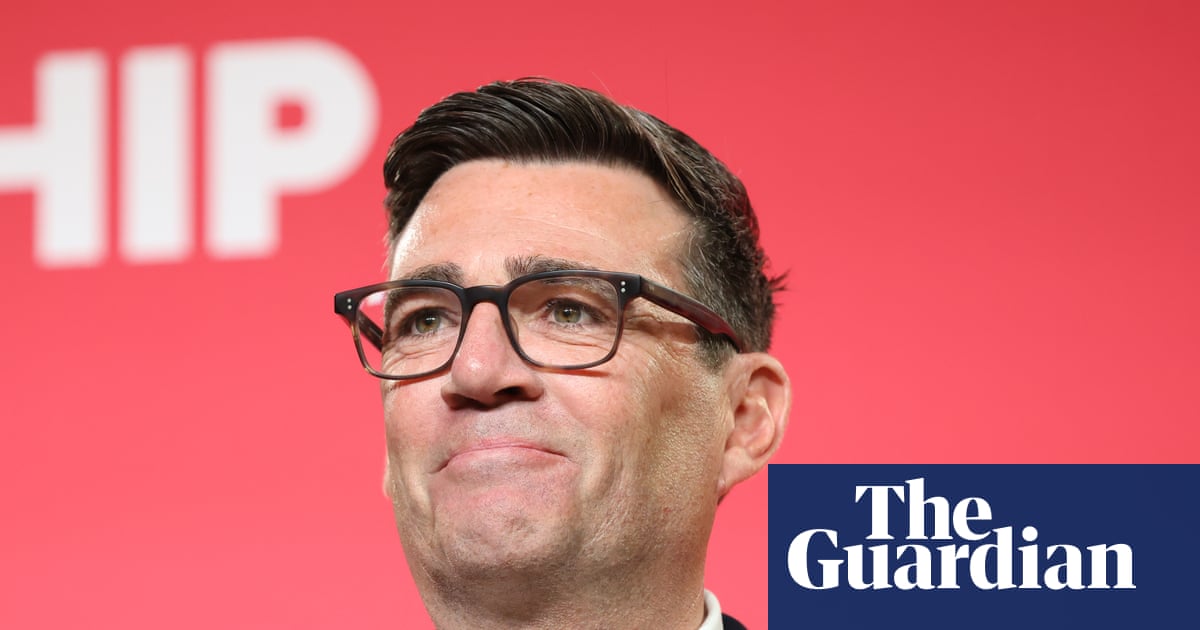
Andy Burnham’s unexpected pledge to overhaul Britain's voting system has triggered an intense internal backlash across the parliamentary party, drawing sharp warnings from senior figures who argue the move threatens to fracture Labour and alienate voters. According to reporting by The i Paper, the political mentor to the new Labour leadership, David Blunkett, led the charge against abandoning the traditional first-past-the-post mechanism in favour of proportional representation. The dispute lays bare deep ideological fault lines within the party just as the administration attempts to project unity following a leadership transition.
The friction centres on Burnham’s surprise commitment to include electoral reform in the party's next manifesto via a newly proposed national commission. Proponents of the shift argue that retaining the current system risks locking future majorities behind governments elected on minority shares of the vote. Yet Blunkett cautioned that proportional representation would empower small factions holding extreme agendas. In commentary published by The i Paper, Blunkett pointed to international examples to illustrate the dangers of legislative gridlock caused by multi-party coalition dependencies.
Media additions
Discontent stretches far beyond party elders. Multiple Labour MPs have voiced alarm over how a PR model would impact local accountability. A Welsh Labour MP warned that multi-member constituencies break the direct bond between a representative and their constituents, pointing to regional governance structures as an undesirable template for Westminster. Jonathan Brash, the MP for Hartlepool, emphasised that preserving the individual community link remains a non-negotiable red line for his parliamentary duties.
Apprehension has also hardened within the parliamentary ranks regarding potential coalition partners. Following recent controversies involving the Green Party of England and Wales — specifically a conference motion regarding Zionism that Burnham condemned at Prime Minister's Questions as antisemitic — several MPs stated they could never support a governing partnership with entities holding such positions. A "Red Wall" MP told The i Paper that embracing proportional representation could make Burnham the final leader of a majority Labour government, while handing disproportionate control over candidate selections directly to party management.
Conversely, advocates for modernising the voting system insist the party must adapt to a changing democratic landscape. Alex Sobel, MP for Leeds Central and Headingley and chair of the Fair Elections All Party Parliamentary Group, argued that a majority of Labour MPs and affiliated trade unions support scrutinising whether the current electoral framework remains fit for purpose. Sobel maintained that concerns regarding coalition stability and constituency representation can be successfully navigated through careful institutional design.
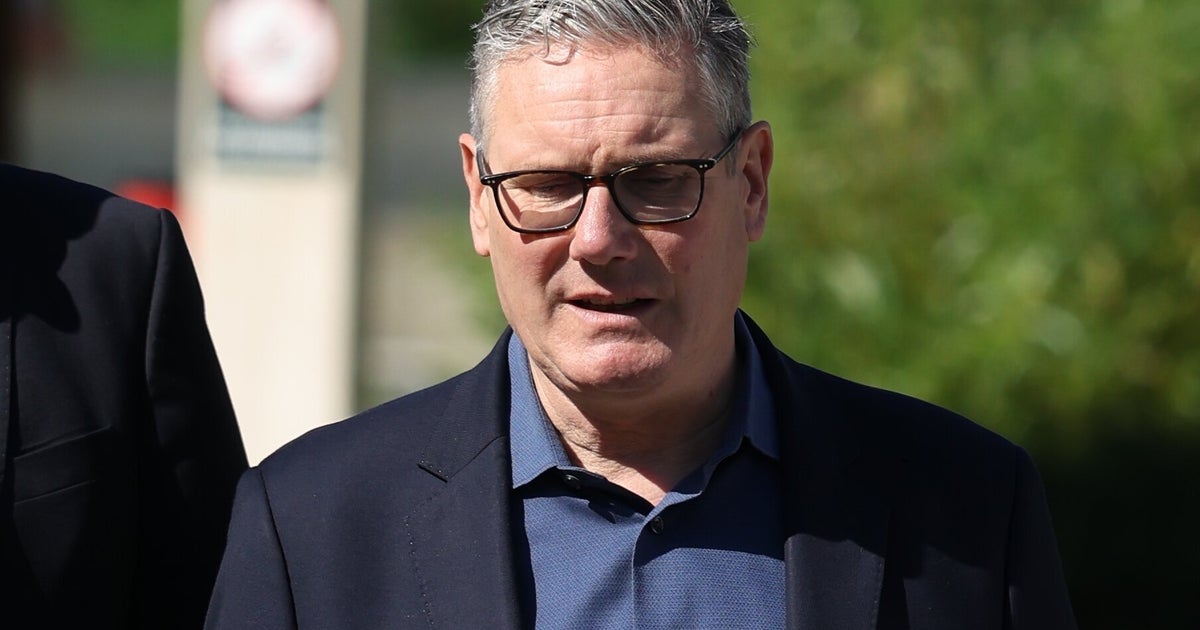
The electoral debate unfolds against the backdrop of significant national upheaval. According to The Guardian, Burnham secured the leadership after a special party conference at the TUC headquarters in London, following mounting pressure that ultimately led to Keir Starmer's departure. Starmer faced an organised push from cabinet ministers and grandees, including Blunkett and Harriet Harman, demanding an orderly transition of power amidst sliding poll numbers, as detailed by HuffPost UK.
As Burnham assumes office, his early decisions have already generated internal friction beyond electoral reform. Debates surrounding cabinet appointments, particularly speculation regarding Shabana Mahmood entering the Treasury, have created unease on the soft left of the party. Opposition figures have similarly challenged the new administration's trajectory, with Conservative party chair Kevin Hollinrake criticising the timing of the leadership transition during parliamentary recess, and Reform UK leader Nigel Farage dismissing the change in leadership.
| Key Figure | Role / Affiliation | Stance on Electoral Reform / Transition |
|---|---|---|
| David Blunkett | Labour Peer / Former Home Secretary | Opposes proportional representation, warning it empowers fringe minorities and blocks progress. |
| Alex Sobel | Labour MP for Leeds Central and Headingley | Supports a national commission on electoral reform to evaluate voting alternatives. |
| Jonathan Brash | Labour MP for Hartlepool | Rejects any system that weakens the direct geographic link between an MP and constituents. |
| Andy Burnham | Labour Leader / Incoming Prime Minister | Pledged a national commission on electoral reform to ensure votes count. |
Political developments will continue to unfold rapidly as the new administration establishes its legislative agenda. In the coming days, attention will turn to the formal unveiling of the cabinet, the first full ministerial meetings, and the initial policy announcements addressing the cost of living and social care reform.
How significant is this development?
Contribute your assessment to the aggregated reader sentiment ledger.
Frequently Asked Questions
Key questions answered in this reportWhat is the key development in: Blunkett sparks Labour backlash over Burnham’s electoral reform pledge?
Andy Burnham's unexpected pledge to overhaul Britain's voting system has sparked an internal backlash, with David Blunkett leading opposition to proportional representation.
Why is this Politics development significant for the UK?
This report covers critical events in our Politics beat. Independent reporting monitors related UK statements, regulatory shifts, and public responses as further verified details emerge.
How was this reporting corroborated and verified?
Newsarchy UK compiles and cross-references reporting from primary reporting from inews.co.uk and cross-checked wire reports. All coverage adheres to published editorial standards.
When was this report published?
This briefing was published on October 18, 2026 and is permanently cataloged in the Newsarchy UK Politics archives.