EU condemns Israeli settler attacks on diplomats in occupied West Bank
The European Union has strongly condemned an assault by masked Israeli settlers on a diplomatic convoy in the occupied West Bank, sparking calls for sanctions.

- Core Development: The European Union has strongly condemned an assault by masked Israeli settlers on a diplomatic convoy in the occupied West Bank, sparking calls for sanctions.
- Beat Context: Categorized under World with independent corroboration.
- Reporting Depth: 5 minute analytical read synthesized from verified newsroom sources.
On Sunday, the European Union issued a sharp rebuke after Israeli settlers in the occupied West Bank assaulted a convoy of European diplomats. The incident, which unfolded near the Christian village of Taybeh during the annual olive‑harvest season, has intensified diplomatic pressure on Israel and raised fresh concerns about the safety of Palestinian farmers, journalists and foreign officials.
Escalation on the Olive Harvest
The assault occurred on 17 October when a delegation that included the French and Belgian consuls, a Polish diplomatic representative and Catholic Church officials was walking alongside Palestinian farmers in Taybeh, east of Ramallah. Masked settlers confronted the group, smashing the rear window of a Belgian consular vehicle and physically attacking a French mayor who had joined the harvest. The attack took place during the sensitive olive‑harvest period, a time when Palestinian communities routinely face settler aggression.
Media additions

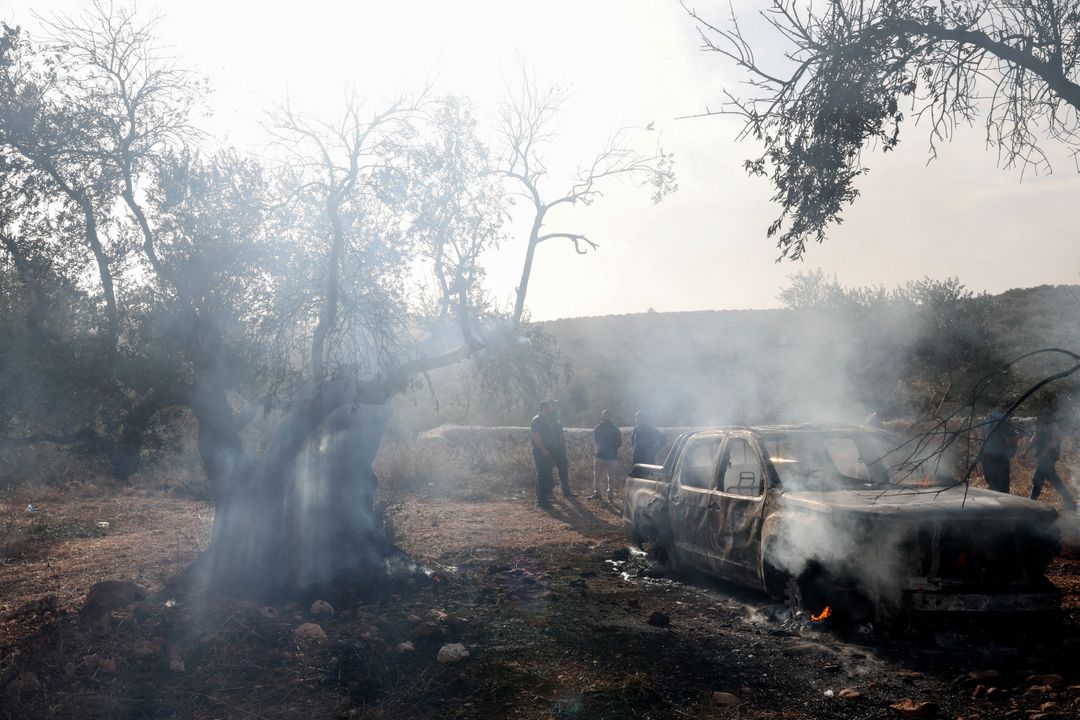
Israeli army radio reported that troops and police reached the scene three hours after receiving the delegation’s coordinates and a video of the incident that had been transmitted within minutes. The delay has attracted criticism from both diplomatic and Israeli opposition voices.
European Condemnations and Calls for Accountability
In a statement released on Sunday, the EU’s diplomatic service said it "strongly condemns the latest attacks by violent settlers in the West Bank, including on European diplomats." The bloc demanded "full accountability" and "effective measures to prevent continued acts of violence and violent harassment against Palestinians, including during the ongoing olive harvest season, as well as against journalists." The EU also urged Israel to comply fully with international humanitarian and human rights law and to halt illegal settlement expansion.
Canadian Foreign Minister Anita Anand joined the EU’s condemnation, noting that the incident was part of a broader pattern of settler violence that threatens Palestinian communities and undermines peace efforts. Anand welcomed the Israeli police investigation and stressed that Israel, as the occupying power, must ensure accountability and protect diplomats and civilians.
Belgian Foreign Minister Maxime Prevot, speaking to the press, described the attack as a “new escalation,” saying that the violence had “truly reached new heights.” He reiterated Belgium’s demand that Israel bring those responsible to justice and called for EU sanctions against perpetrators and supporters of the violence.
Israeli Reactions and Internal Criticism
Israeli Foreign Minister Gideon Saar condemned the violence, describing the perpetrators as rioters, and said a police investigation had been opened. He also suggested that the delegation should have coordinated its visit with the Israeli military, a claim disputed by the Belgian envoy, who said diplomats were not required to coordinate such visits under the Oslo Accords.
Opposition leader Avigdor Lieberman of the Yisrael Beiteinu party accused Prime Minister Benjamin Netanyahu and the defense and national security ministers of failing to curb settler attacks. Lieberman warned that the government’s inaction was eroding international support for Israel.
Impact on Palestinian Farmers and Journalists
Settler attacks on Palestinian farmers have intensified during the olive‑harvest season. The United Nations humanitarian office reported that nearly 200 settler attacks linked to this year’s harvest had caused casualties or property damage, already exceeding the 185 incidents recorded in the previous season. In the days following the Taybeh incident, settlers cut down 120 olive trees on Palestinian‑owned land in the village of Kisan, southeast of Bethlehem.
Journalists covering the harvest have also been targeted. A week earlier, American photojournalist Heidi Levine of The Washington Post was beaten for more than ten minutes in the village of Abu Falah, sustaining broken ribs and a fractured hand. Her camera, phone and passport were stolen. U.S. Secretary of State Marco Rubio and Ambassador Mike Huckabee condemned the assault, describing it as a “despicable act of terror” and demanding prosecutions.
International Legal and Humanitarian Context
The EU’s statement underscores its view that the incidents are not isolated diplomatic security concerns but part of a wider pattern of settler violence that threatens civilian protection and press freedom. The bloc’s call for Israel to halt settlement expansion reflects a long‑standing EU position that Israeli settlements in the occupied West Bank are illegal under international law and undermine the prospects for a two‑state solution.
Comparative Overview of Recent Violence
| Event | Location | Victims | Reported Damage |
|---|---|---|---|
| Attack on diplomatic convoy | Taybeh, West Bank | French, Belgian, Polish diplomats; French mayor | Belgian vehicle window smashed |
| Attack on American journalist | Abu Falah, West Bank | Heidi Levine | Broken ribs, fractured hand, stolen equipment |
| Olive tree destruction | Kisan, West Bank | Palestinian farmers | 120 trees cut |
Timeline of Key Developments
- 17 Oct – Masked settlers attack diplomatic delegation near Taybeh; French mayor assaulted; Belgian vehicle damaged.
- 18 Oct – EU, Canada, Belgium issue statements condemning the attack; call for accountability and sanctions.
- 18 Oct – Israeli police announce investigation; Israeli Foreign Minister condemns violence.
- 18 Oct – U.S. Officials condemn separate attack on journalist Heidi Levine.
What Happens Next?
Israel’s police investigation remains under observation by European diplomats and human rights organisations. The EU’s demand for “full accountability” will likely influence future discussions on sanctions and diplomatic engagement. In the coming days, the EU may convene a special meeting of its external action service to decide on possible measures, while Belgium and Canada are expected to press for targeted sanctions against individuals and organisations linked to settler violence.
As the West Bank’s olive‑harvest season continues, Palestinian farmers face ongoing risks of violence and property damage. The international community’s response to the Taybeh incident may set a precedent for how settler attacks on foreign officials are addressed in future diplomatic missions.
For further coverage, see Israeli settlers attack European diplomats and Israeli settlers attack West Bank olive harvesters.
How significant is this development?
Contribute your assessment to the aggregated reader sentiment ledger.
Frequently Asked Questions
Key questions answered in this reportWhat is the key development in: EU condemns Israeli settler attacks on diplomats in occupied West Bank?
The European Union has strongly condemned an assault by masked Israeli settlers on a diplomatic convoy in the occupied West Bank, sparking calls for sanctions.
Why is this World development significant for the UK?
This report covers critical events in our World beat. Independent reporting monitors related UK statements, regulatory shifts, and public responses as further verified details emerge.
How was this reporting corroborated and verified?
Newsarchy UK compiles and cross-references reporting from primary reporting from www.nationpathindia.com and cross-checked wire reports. All coverage adheres to published editorial standards.
When was this report published?
This briefing was published on October 18, 2026 and is permanently cataloged in the Newsarchy UK World archives.