DUP chief hails unionist unity over Drumcree as something to build on
DUP leader Gavin Robinson has praised unionist solidarity following the Parades Commission ruling on the Drumcree parade, amid ongoing High Court challenges.

- Core Development: DUP leader Gavin Robinson has praised unionist solidarity following the Parades Commission ruling on the Drumcree parade, amid ongoing High Court challenges.
- Beat Context: Categorized under Politics with independent corroboration.
- Reporting Depth: 4 minute analytical read synthesized from verified newsroom sources.
Democratic Unionist Party leader Gavin Robinson has hailed unionist unity surrounding the disputed Drumcree parade as a foundation to build upon ahead of upcoming electoral contests, even as a High Court judge urged legal adversaries in the march dispute to step back from the abyss.
According to East Renfrewshire News, the DUP leader described the Parades Commission ruling permitting the completion of the Orange Order’s return parade along the Garvaghy Road as a significant moment. The decision marks the first time in almost thirty years that the procession has been allowed along the route. In his weekly email to members, Mr Robinson commended the Portadown District for patience and discipline, stating that unionism is at its strongest when it works together.
Media additions

That sense of solidarity arrives against a shifting political backdrop. The Assembly election saw Sinn Féin make history by finishing two seats ahead of the DUP, leading to Michelle O’Neill becoming nationalist First Minister. The DUP currently holds twenty-six Assembly seats following the co-option of Peter Martin after the election of independent Alex Easton to Westminster. In his recent conference speech, Mr Robinson stressed a desire to maximise unionist representation through cooperation without preconditions or grandstanding.
Discussions regarding electoral cooperation have involved Ulster Unionist Party leader Jon Burrows, who advocated for a stronger unionist turnout and less focus on competing for the First Minister role. Meanwhile, TUV leader Jim Allister stated he had not been approached by Mr Robinson, asserting that cooperation should preserve the Union rather than any single party. Mr Robinson warned against vote-splitting, pointing to North Antrim during the last Assembly election where unionist candidates secured more than four quotas in first-preference votes but secured only three seats, allowing the Alliance Party to capture the final seat by a narrow margin.
Parallel to political strategizing, the legal battle over the parade intensified in the London Evening Standard. Residents of the predominantly nationalist Garvaghy Road launched a High Court challenge against the Parades Commission ruling. Justice Patricia Smyth urged parties to reach an agreement for the sake of everyone in Northern Ireland, describing the situation as fragile and warning that it would be contrary to justice to proceed without complete information. The commission placed restrictions on the procession including an 8am start time and a cap of 35 participants, while the Police Service of Northern Ireland faces a significant security operation with mutual aid assistance.
Representing the Garvaghy Road residents, barrister Denise Kiley KC argued that the Parades Commission concluded it had no information regarding potential disorder, yet police assessments relied entirely on past risk rather than future risk. Responding for the commission, Tony McGleenan KC noted there was no prospect of the body reconsidering the decision in time, noting an application for a 5,000-attendee protest against the march. Peter Coll KC, representing the police, expressed scepticism about the practicality of supplying all police submissions covering more than a thousand parade applications across nearly three decades.
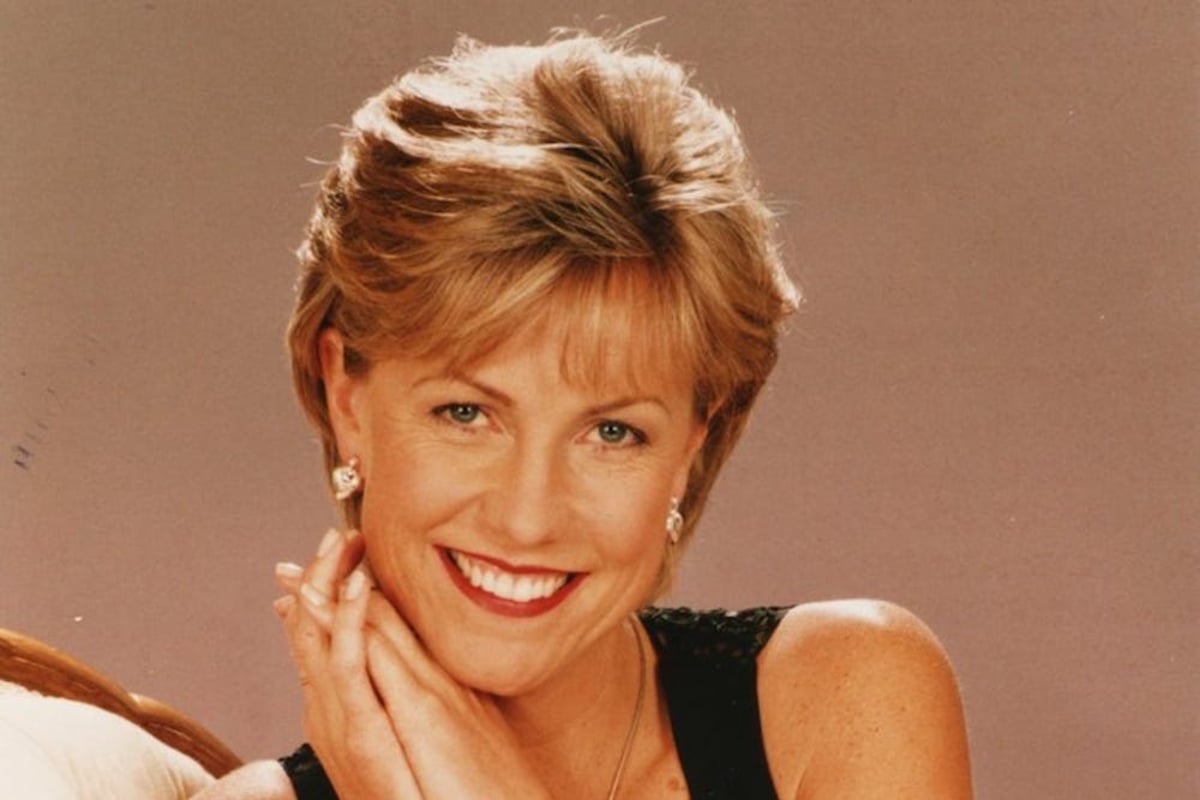
In a separate investigative development reported by Aol, Scotland Yard detectives are re-examining twenty-seven-year-old CCTV footage from Putney Bridge Underground station regarding the unsolved murder of BBC broadcaster Jill Dando. Ms Dando was shot and killed aged thirty-seven outside her home in Fulham on April 26 1999. Investigators are utilising advances in CCTV enhancement technology to review footage capturing an unidentified person dubbed Man X near the station shortly after the attack, though the Metropolitan Police emphasized the review is part of ongoing inquiries and does not constitute a new formal investigation.
| Entity / Proceeding | Key Figure | Core Position or Development |
|---|---|---|
| DUP | Gavin Robinson | Hails unionist unity over Drumcree and calls for cooperative electoral strategies. |
| Garvaghy Road Residents | Denise Kiley KC | Challenging the Parades Commission ruling over discrepancies in future risk assessments. |
| Parades Commission | Tony McGleenan KC | Defending the determination permitting the restricted march under tight timeframes. |
| High Court | Justice Patricia Smyth | Urging parties to step back from the abyss and allow time for informed legal review. |
Further developments in the Drumcree legal challenge and security preparations are expected as the court weighs whether to grant temporary leave or further injunctive relief.
How significant is this development?
Contribute your assessment to the aggregated reader sentiment ledger.
Frequently Asked Questions
Key questions answered in this reportWhat is the key development in: DUP chief hails unionist unity over Drumcree as something to build on?
DUP leader Gavin Robinson has praised unionist solidarity following the Parades Commission ruling on the Drumcree parade, amid ongoing High Court challenges.
Why is this Politics development significant for the UK?
This report covers critical events in our Politics beat. Independent reporting monitors related UK statements, regulatory shifts, and public responses as further verified details emerge.
How was this reporting corroborated and verified?
Newsarchy UK compiles and cross-references reporting from primary reporting from London Evening Standard and cross-checked wire reports. All coverage adheres to published editorial standards.
When was this report published?
This briefing was published on September 26, 2026 and is permanently cataloged in the Newsarchy UK Politics archives.