England reservoirs hit by low water levels as drought spreads
Nearly three-quarters of England is under official drought status as declining reservoir levels and extreme heat threaten water supply restrictions.

- Core Development: Nearly three-quarters of England is under official drought status as declining reservoir levels and extreme heat threaten water supply restrictions.
- Beat Context: Categorized under Politics with independent corroboration.
- Reporting Depth: 3 minute analytical read synthesized from verified newsroom sources.
England faces a mounting water crisis as almost three-quarters of the country is officially placed in drought, threatening further restrictions as the nation prepares for another extreme heatwave. Officials expanded formal drought designations to several additional regions, including the East Midlands, Lincolnshire, Northamptonshire, Kent, East Sussex, and Solent and the South Downs, after a growing dry spell pushed reservoir storage across England down significantly. Around millions of residents are now living under hosepipe bans and other water use restrictions, while water firms prepare additional measures for high-demand non-essential supplies.
The worsening aridity has drawn comparisons to the historic drought of 1976, when shortages forced rationing and periods of shut-off taps. According to reporting from Inews, the Environment Agency has classified five reservoirs as exceptionally low. These include the Somerset sites of Wimbleball and Blagdon, along with Hanningfield in Essex, the Dove group reservoir in Derbyshire, and Clywedog in mid-Wales. A further seven sites—including Blithfield in Staffordshire, Derwent Valley, and the Lower Thames group near London—carry notably low water levels. Reservoir storage across England has fallen well below the long-term average for this time of year.
Media additions
Experts warn that ageing infrastructure and high leakage rates are compounding the pressure from a lack of rainfall since the spring. Hayley Fowler, a professor of climate change impacts at Newcastle University, warned that the country is entering an era of severe water extremes characterised by winter floods and summer droughts without adequate storage capacity to bridge the gap. Warning of potential public water supply shortfalls in coming decades, Fowler emphasised that water security must be treated with the same urgency as energy security.
Beyond household taps, the parched conditions are severely impacting agriculture. Farmers face a brutal harvest and tighter abstraction rules as they struggle to secure enough water for crop irrigation, raising concerns over future food price inflation. Water minister Emma Hardy stated that the Government is working to ease the construction of on-site irrigation reservoirs and deliver new major infrastructure projects. However, industry experts caution that long-term solutions, such as new reservoirs and desalination plants, will take decades to complete.
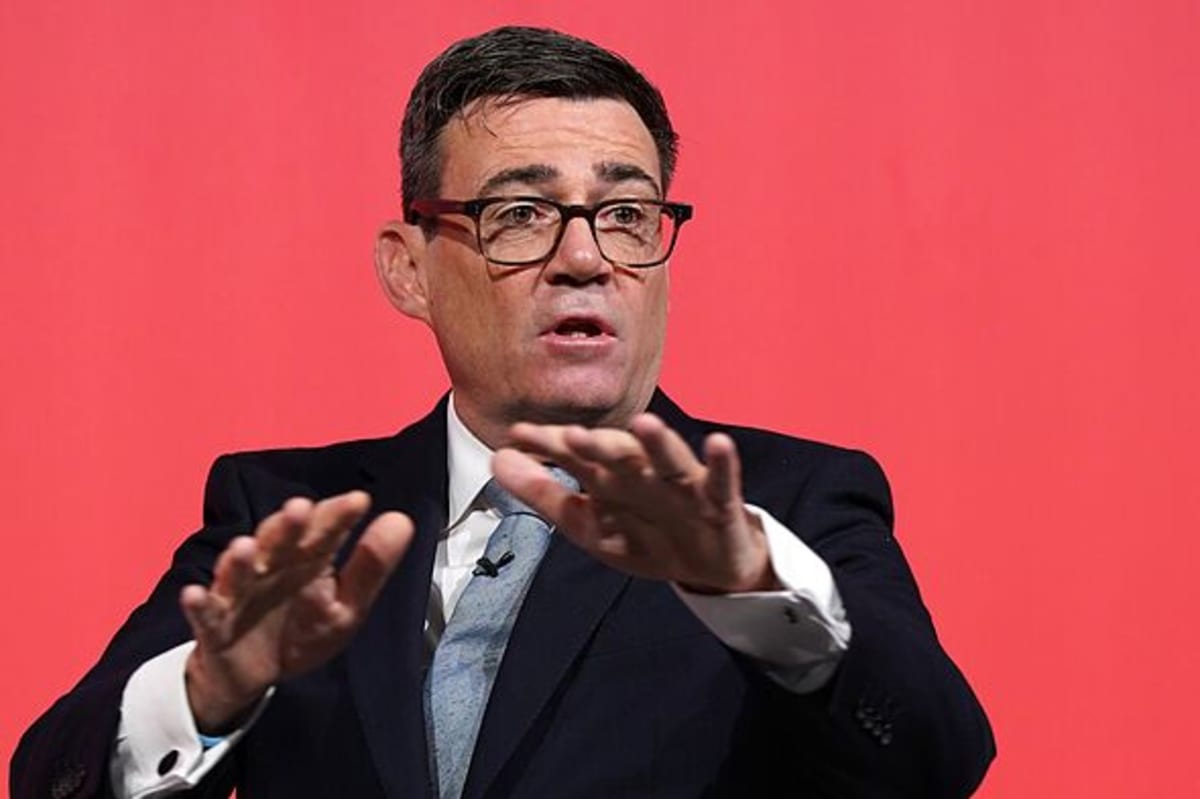
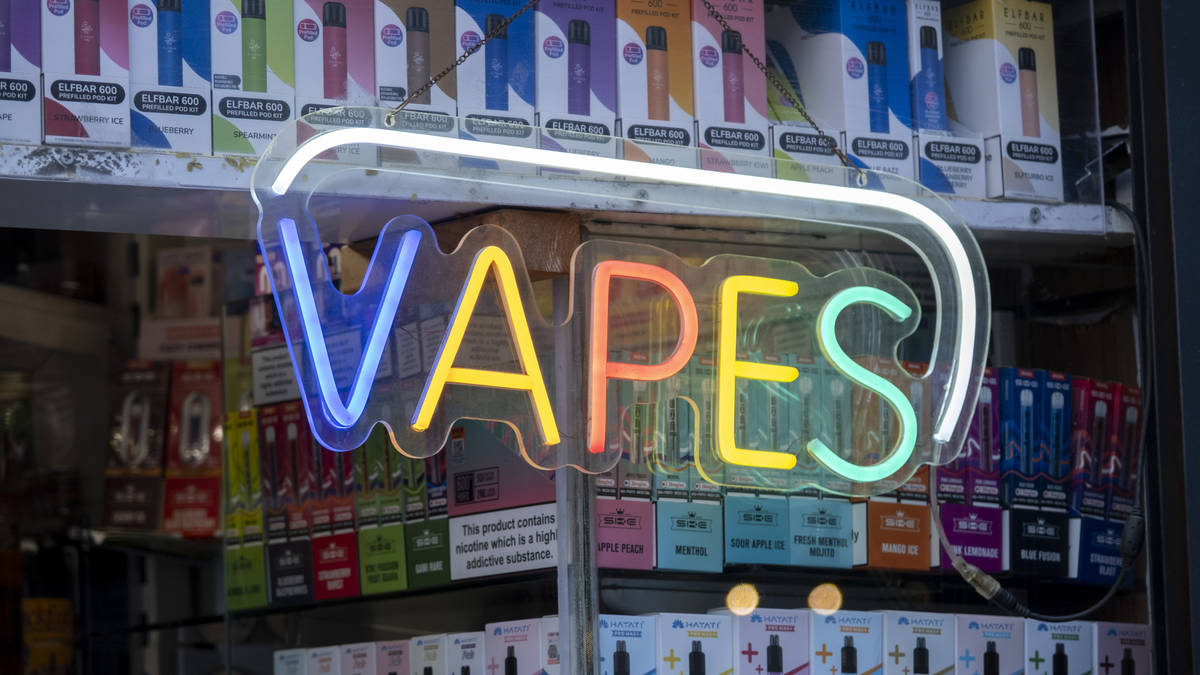
The drought crisis unfolds alongside broader political battles over high street regulation and community powers. In related developments reported across national media, local leaders and central government are targeting retail landscapes through planned planning shake-ups and police closure orders aimed at tackling rogue operators. Prime Minister Andy Burnham pledged to give councils more powers to block new bookmakers, adult gaming centres, and vape shops in an effort to save hollowed-out high streets. The plans intend to scrap the "aim to permit" rule introduced under Tony Blair's government, which previously limited local authorities in preventing betting venues from opening.
Under the proposed measures, planning permission will be required for outlets selling e-cigarettes and 24-hour slot machine venues, with tightened definitions to prevent businesses from posing as convenience stores. Additionally, police powers will allow officers to shut down dodgy barbers, vape shops, and nail salons for up to a year by extending closure orders from six months to twelve months to investigate premises linked to organised crime. The Centre for Social Justice think tank welcomed the plans, noting that the number of vape and tobacco shops has risen significantly since the mid-2010s while pubs and bars have declined.
However, industry bodies and opposition politicians raised concerns over the retail proposals. The Betting and Gaming Council disputed that betting shops were spreading unchecked, arguing that thousands of shops have closed and jobs have been lost since a few years prior, warning the rules risk leaving more empty units. Opposition figures from the Conservatives and Reform UK similarly argued that business rates and economic pressures risk creating more empty shops unless paired with broader support for legitimate small businesses.
As the Met Office weighs issuing severe heat warnings with temperatures projected to climb significantly, water companies continue to urge drastic reductions in household consumption to prevent emergency supply cutoffs. Officials remain in listening mode over the wider political agenda while local authorities and water firms navigate the immediate challenges posed by the ongoing drought.
How significant is this development?
Contribute your assessment to the aggregated reader sentiment ledger.
Frequently Asked Questions
Key questions answered in this reportWhat is the key development in: England reservoirs hit by low water levels as drought spreads?
Nearly three-quarters of England is under official drought status as declining reservoir levels and extreme heat threaten water supply restrictions.
Why is this Politics development significant for the UK?
This report covers critical events in our Politics beat. Independent reporting monitors related UK statements, regulatory shifts, and public responses as further verified details emerge.
How was this reporting corroborated and verified?
Newsarchy UK compiles and cross-references reporting from primary reporting from inews.co.uk and cross-checked wire reports. All coverage adheres to published editorial standards.
When was this report published?
This briefing was published on August 11, 2026 and is permanently cataloged in the Newsarchy UK Politics archives.