Greyhound racing industry urges Andy Burnham to cut betting tax
Greyhound industry workers and representatives staged a demonstration outside Number 10, demanding equal tax treatment with horse racing.

- Core Development: Greyhound industry workers and representatives staged a demonstration outside Number 10, demanding equal tax treatment with horse racing.
- Beat Context: Categorized under Politics with independent corroboration.
- Reporting Depth: 3 minute analytical read synthesized from verified newsroom sources.
The greyhound racing industry has descended on Westminster to demand immediate tax relief from Prime Minister Andy Burnham, warning that looming government levies threaten thousands of jobs and iconic local tracks. Trainers, kennel staff, and track workers gathered outside Number 10 to protest proposed betting duty hikes, arguing that dog racing faces an unfair disadvantage compared to its equine counterpart.
According to the Express, demonstrators urged the Prime Minister to abandon tax plans originally set out during the era of Rachel Reeves. The industry is specifically targeting a planned increase in General Betting Duty on remote bets, which is scheduled to rise to 25% in April 2027. Meanwhile, remote betting on British horse racing is set to remain at 15%. Campaigners are demanding parity at the 15% rate, warning that failure to act could devastate a sport operating on exceptionally tight margins.
Media additions
The financial stakes for local economies are substantial. Industry advocates report that greyhound racing pumps £160 million into the economy and generates £50 million in annual tax payments. Dozens of tracks have closed since the sport peaked in the early 1900s, with independent venues facing the steepest survival hurdles due to a lack of consortium backing. Mark Bird, chief executive of the Greyhound Board of Great Britain (GBGB), emphasized the cultural and economic importance of the pastime, noting that the sport sustains thousands of jobs and provides affordable nights out in hard-up communities.
The pressure on the Prime Minister extends beyond remote betting duties. As reported by Aol, greyhound chiefs have also condemned potential plans to double Machine Games Duty in the upcoming Budget, which would lift the standard rate on gaming machines from 20% to 40%. Abbie MacGregor, director of corporate affairs at the GBGB, accused the administration of hypocrisy and elitism. She took particular aim at remarks comparing betting shops' impact on the high street to tax-evading businesses, arguing that such rhetoric ignores the economic reality of high streets and working-class recreation.
| Tax Proposal | Greyhound Racing Rate | Horse Racing Rate | Potential Impact |
|---|---|---|---|
| Remote Betting Duty (from April 2027) | Proposed rise to 25% | Maintained at 15% | Threatens 7,000 jobs and tight track margins |
| Machine Games Duty | Potential rise from 20% to 40% | N/A (Impacts betting shops) | Undermines shop viability and welfare funding |
Political divisions over the issue cut across party lines. Andrew Rosindell, the Reform UK MP for Romford, warned that his constituency's historic track—the last remaining greyhound venue in the Greater London region—faces ruin. Conversely, Labour MP for Sittingbourne Kevin McKenna voiced support for the GBGB campaign, stressing the local economic contribution of Central Park stadium and calling for a fairer tax framework that accounts for the distinct financial models of dog and horse racing.
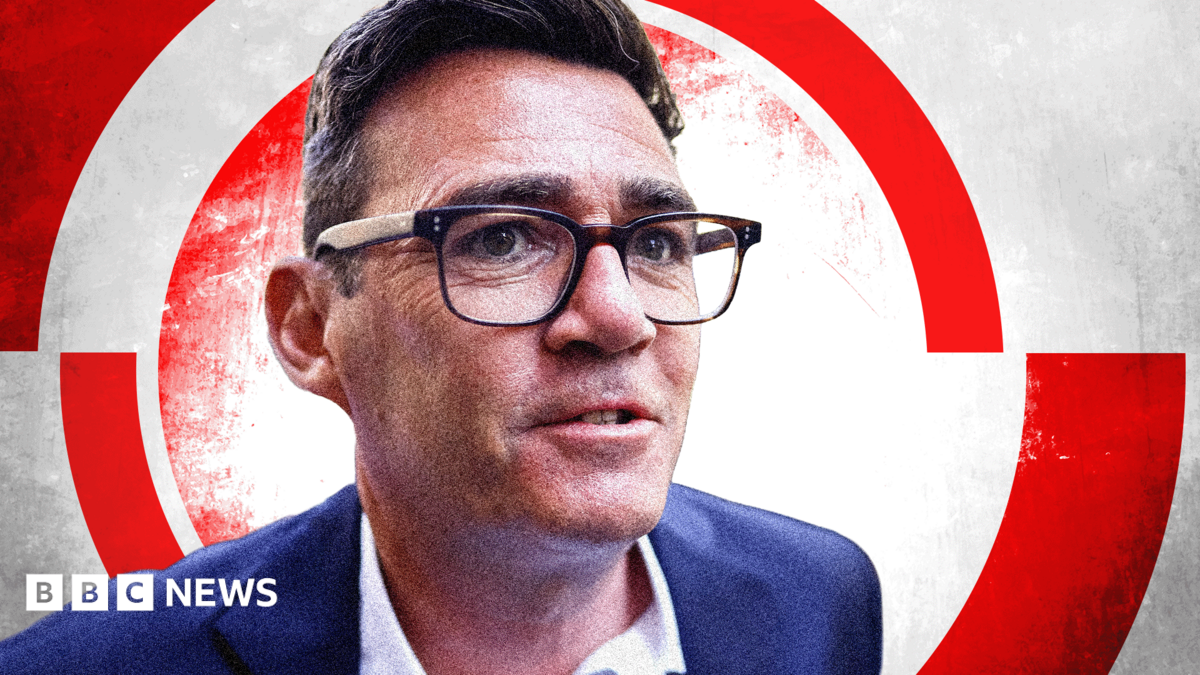
The wider policy landscape under Prime Minister Andy Burnham adds further complexity to the fiscal debate. As detailed by the BBC, Mr Burnham took office succeeding Sir Keir Starmer and has faced immediate scrutiny over public finances, wealth taxation, and regional devolution. While the Prime Minister has pledged to stick to existing tax and spending rules, he has also signaled a willingness to review allowances and tackle broader economic rebalancing. At the same time, the administration has rolled out major policy packages, including a £340m commitment over five years to provide 1,200 homes and intensive support for rough sleepers, alongside broader plans for public transport franchising and regional authority powers.
As the debate intensifies, attention turns to upcoming fiscal events and parliamentary scrutiny. Industry leaders have formally petitioned Number 10 via an open letter signed by trainers, kennel staff, vets, and stadium workers. The Treasury and HMRC have not routinely commented on tax speculation ahead of fiscal announcements, leaving the greyhound community waiting to see whether their centenary year will end with legislative relief or deeper financial jeopardy.
How significant is this development?
Contribute your assessment to the aggregated reader sentiment ledger.
Frequently Asked Questions
Key questions answered in this reportWhat is the key development in: Greyhound racing industry urges Andy Burnham to cut betting tax?
Greyhound industry workers and representatives staged a demonstration outside Number 10, demanding equal tax treatment with horse racing.
Why is this Politics development significant for the UK?
This report covers critical events in our Politics beat. Independent reporting monitors related UK statements, regulatory shifts, and public responses as further verified details emerge.
How was this reporting corroborated and verified?
Newsarchy UK compiles and cross-references reporting from primary reporting from BBC and cross-checked wire reports. All coverage adheres to published editorial standards.
When was this report published?
This briefing was published on October 23, 2026 and is permanently cataloged in the Newsarchy UK Politics archives.