NHS plan would double wait time for joint surgery
A contentious NHS restructure risks doubling waiting times for elective orthopaedic procedures like hip and knee replacements, drawing heavy criticism from medical professionals.

- Core Development: A contentious NHS restructure risks doubling waiting times for elective orthopaedic procedures like hip and knee replacements, drawing heavy criticism from medical professionals.
- Beat Context: Categorized under Politics with independent corroboration.
- Reporting Depth: 3 minute analytical read synthesized from verified newsroom sources.
A contentious new NHS proposal threatens to double waiting times for elective orthopaedic procedures such as hip and knee replacements, sparking intense scrutiny from medical professionals, health authorities, and patients alike.
The controversy centres on structural changes to orthopaedic delivery. Critics argue that present capacity is inadequate, noting that theater money and staffing are severely limited. According to commentary surrounding the debate, four-session theatre days and weekend working already consume consultants' contracted hours, suggesting that a doubling of staff numbers might be required to meet new demands. Past attempts at similar reorganisations have rarely increased actual delivery. Sequential health ministers previously resisted the geographical separation of elective and trauma services, a policy change now reintroduced alongside proposals guaranteed to extend waiting lists.
Media additions
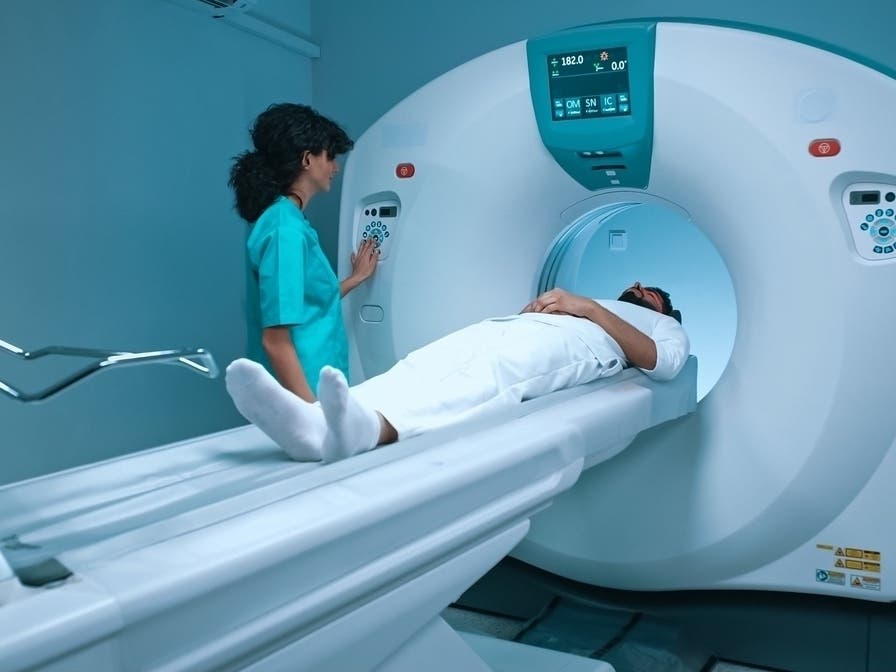


Further compounding these concerns are wider structural proposals. Plans to reduce numerous regional health boards down to a streamlined number have advanced with little consultation, drawing accusations of closed-door political and management collusion. Such changes follow years of resistance from health ministers and staff against the geographical separation of elective and trauma services. Commentators have highlighted that while exceptional facilities exist, a nationwide service remains beyond the reach of the present NHS model.
For patients affected by these delays, the physical toll can be severe. According to NHS inform guidance, conditions such as osteoarthritis—which affects roughly one million people across England and Wales—cause cartilage to wear away, leading to persistent pain and loss of movement. While joint replacements are among the most effective interventions in modern medicine, allowing individuals to resume activities within months, the backlog threatens to leave vulnerable patients stranded. Similar age-related or traumatic damage frequently leads older adults to require surgical intervention after sustaining hip fractures from falls.
The regulatory landscape surrounding surgical implants has also grown increasingly rigorous. Guidance from the Medicines and Healthcare products Regulatory Agency (MHRA) dictates that patients with certain metal-on-metal hip implants must undergo annual health checks for life, due to accelerated wear rates and risks of metal traces leaking into the bloodstream. Furthermore, the National Institute for Health and Care Excellence (NICE) stipulates that prostheses should possess a high probability of lasting at least a decade, highlighting the gravity of primary and revision surgeries. Replacement joints can encounter complications such as joint loosening or socket wear, with revision procedures required in a notable proportion of cases.
As waiting lists stretch, the financial implications of seeking private care or navigating health insurance become paramount. While comprehensive coverage may apply under specific medical necessity criteria, patients often face rigorous prior authorization processes, deductibles, and network restrictions, as detailed in analyses of knee replacement insurance coverage. For those unable to access timely treatment within the public system, some commentators suggest exploring private alternatives, noting that pain-free mobility remains a critical priority for individuals facing prolonged delays.
| Intervention / Procedure | Typical Recovery Period | Common Long-Term Risks |
|---|---|---|
| Hip Replacement | 2 to 3 months for normal activities | Joint loosening, dislocation, wear and tear (approx. 1 in 10 require revision surgery) |
| Knee Replacement | Varies by patient and rehabilitation plan | Stiffness, infection, blood clots, implant wear |
What to Watch Next
- Further announcements from health authorities regarding the timeline for health board restructuring and service rationalisation.
- Updated NHS waiting list statistics to determine whether projected delays materialise in clinical practice.
- Potential parliamentary debates concerning resource allocation and staffing levels for elective orthopaedic theatres.
As the controversy unfolds, retired clinicians and patient advocacy groups maintain that structural changes must be backed by realistic funding and verified capacity increases rather than administrative restructuring alone. For now, individuals requiring future joint procedures are advised to consult NHS guidance and discuss clinical pathways closely with their general practitioners.
How significant is this development?
Contribute your assessment to the aggregated reader sentiment ledger.
Frequently Asked Questions
Key questions answered in this reportWhat is the key development in: NHS plan would double wait time for joint surgery?
A contentious NHS restructure risks doubling waiting times for elective orthopaedic procedures like hip and knee replacements, drawing heavy criticism from medical professionals.
Why is this Politics development significant for the UK?
This report covers critical events in our Politics beat. Independent reporting monitors related UK statements, regulatory shifts, and public responses as further verified details emerge.
How was this reporting corroborated and verified?
Newsarchy UK compiles and cross-references reporting from primary reporting from Newsweek Rankings and cross-checked wire reports. All coverage adheres to published editorial standards.
When was this report published?
This briefing was published on October 19, 2026 and is permanently cataloged in the Newsarchy UK Politics archives.