Andy Burnham pushes for UK-EU reset as polls show half back rejoining
Prime Minister Andy Burnham is pushing for a comprehensive UK-EU reset as polling shows half of Britons now support rejoining the European Union.
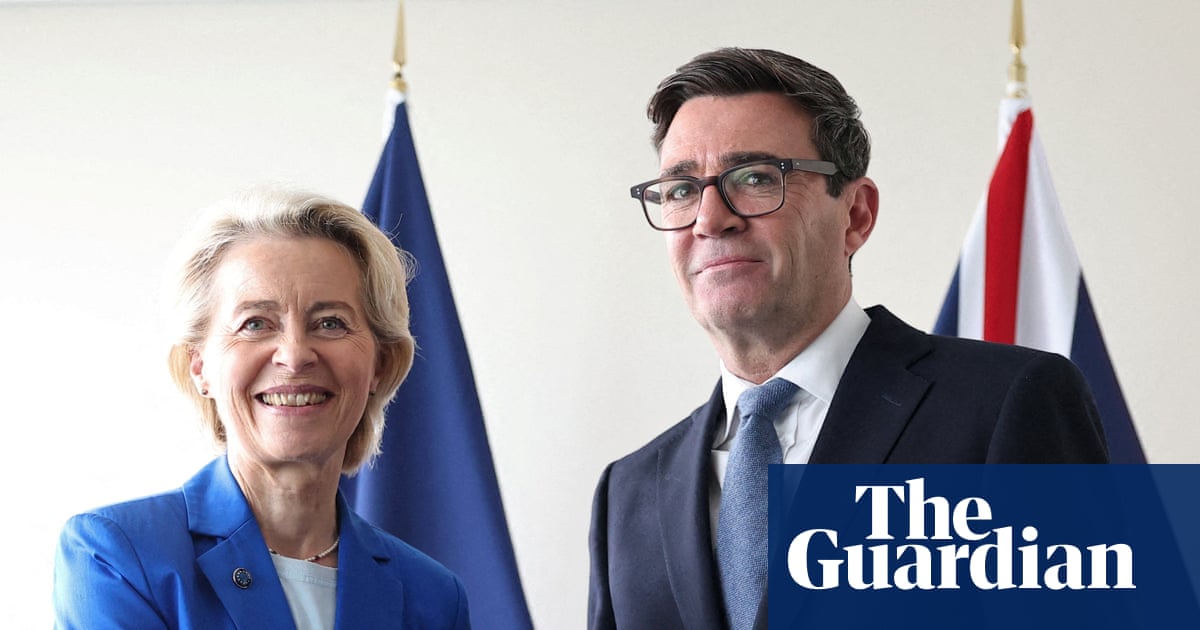
- Core Development: Prime Minister Andy Burnham is pushing for a comprehensive UK-EU reset as polling shows half of Britons now support rejoining the European Union.
- Beat Context: Categorized under Politics with independent corroboration.
- Reporting Depth: 3 minute analytical read synthesized from verified newsroom sources.
Britain’s relationship with Europe has returned to the centre of national political debate as Prime Minister Andy Burnham pushes for a comprehensive reset of ties with Brussels. Speaking in Parliament on Monday, Mr Burnham warned MPs that sticking with the current status quo is inadequate for Britain, and that ignoring the opportunity to secure a new arrangement would constitute a dereliction of duty. His remarks mark a significant shift from earlier positioning during the Makerfield by-election, where he pledged not to re-run past arguments.
The political urgency is underpinned by shifting public opinion. A megapoll surveying more than 11,000 people indicated that 50% of Britons now back rejoining the European Union, while 28% oppose it and the remainder remain undecided. Academic experts attribute this change to demographic evolution, voter regret, and the changing composition of the electorate over the past decade. Professor Rob Ford of the University of Manchester noted that leave voters are fewer in number as older generations pass away, while young people entering the electorate skew heavily in favour of Europe. Further data from a More in Common survey covering Britain's 632 constituencies found that just 11 would vote to leave if a referendum were held today, with even Nigel Farage’s constituency of Clacton showing 52% support for rejoining.
Media additions


Former Labour leader Neil Kinnock defended the Prime Minister’s trajectory, telling the Italian newspaper la Repubblica that Mr Burnham has always been a committed pro-European whose current objective involves re-establishing close ties with the bloc. Lord Kinnock insisted that the Prime Minister has not changed direction since the Makerfield by-election, arguing that the earlier contest was solely about winning the seat to enable him to become party leader. Lord Kinnock also noted that Britain cannot simply pick up where it left off in 2016, stating that the country must build its relationship almost from scratch while acknowledging that nearly 50 years of membership left many regulations and practices naturally adhering to European standards.
Concurrently, diplomatic efforts are accelerating ahead of a scheduled UK-EU summit on 20 November in Brussels. Negotiators are attempting to finalize a complex package that includes a youth mobility scheme allowing British under-30s to work across member states. While initial concerns centred on restrictive visa definitions and British resistance to cutting university tuition fees for European nationals, diplomatic sources indicate that compromises are being explored. The EU is working on a political agreement to ensure young Britons face no restrictions on their right to work in Europe, while some member states are contemplating delaying demands for Britain to cut university tuition fees. William Bain of the British Chambers of Commerce urged pragmatism, advising officials to bank achievable growth deals rather than waiting for total consensus on every regulatory detail.
Diplomatic momentum has also been aided by movement on industrial policy. France has dropped its opposition to British participation in the protectionist "Made in Europe" legislative framework, subject to discussions regarding electric vehicle tariffs and alignment on carbon markets.
Not all domestic actors welcome the renewed focus on Europe. Conservative figures and Reform critics pushed back against the Prime Minister's recent references to alleged Russian interference in the 2016 referendum—a claim supported by former Cabinet minister Dominic Grieve, who pointed to findings from the Intelligence and Security Committee report which described Moscow's political influence as the new normal. Meanwhile, Labour grandee Ed Balls cautioned against embedding a pledge to rejoin the EU into the party's next general election manifesto, expressing hope that the Prime Minister's moves were short-term vibes rather than a serious strategy.
As Downing Street weighs its next communications strategy and potential parliamentary formats to build consensus, attention turns to the negotiating table.
What to watch next: The key date on the political calendar is 20 November, when the UK-EU summit takes place in Brussels. Observers will monitor whether negotiators can officially sign off on the youth mobility agreement, finalize terms regarding the "Made in Europe" framework, and establish a framework for future cooperation without reigniting deep-seated parliamentary divisions.
How significant is this development?
Contribute your assessment to the aggregated reader sentiment ledger.
Frequently Asked Questions
Key questions answered in this reportWhat is the key development in: Andy Burnham pushes for UK-EU reset as polls show half back rejoining?
Prime Minister Andy Burnham is pushing for a comprehensive UK-EU reset as polling shows half of Britons now support rejoining the European Union.
Why is this Politics development significant for the UK?
This report covers critical events in our Politics beat. Independent reporting monitors related UK statements, regulatory shifts, and public responses as further verified details emerge.
How was this reporting corroborated and verified?
Newsarchy UK compiles and cross-references reporting from primary reporting from inews.co.uk and cross-checked wire reports. All coverage adheres to published editorial standards.
When was this report published?
This briefing was published on October 19, 2026 and is permanently cataloged in the Newsarchy UK Politics archives.


