Scotland, Wales and Northern Ireland leaders unite for self-determination
Political leaders across Scotland, Wales, and Northern Ireland have signed a joint memorandum asserting their right to self-determination and challenging Westminster control.

- Core Development: Political leaders across Scotland, Wales, and Northern Ireland have signed a joint memorandum asserting their right to self-determination and challenging Westminster control.
- Beat Context: Categorized under Politics with independent corroboration.
- Reporting Depth: 3 minute analytical read synthesized from verified newsroom sources.
Political leaders across Scotland, Wales, and Northern Ireland have united in a historic joint pact to assert their right to self-determination, intensifying constitutional friction with Westminster.
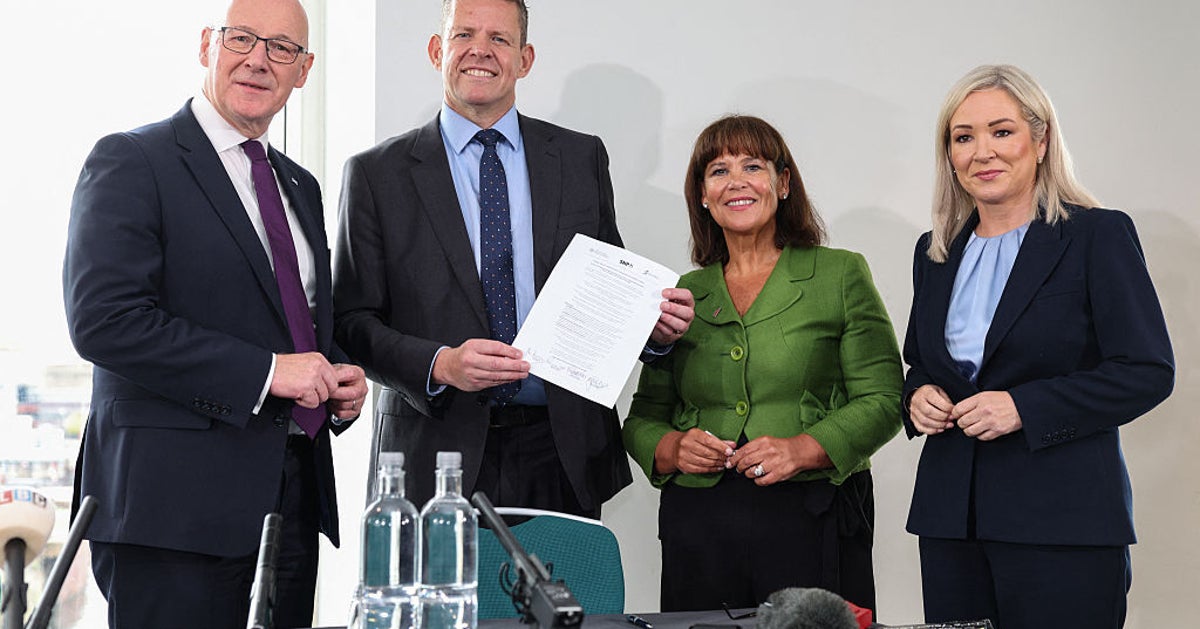
According to reporting from Al Jazeera, the Scottish National Party’s John Swinney, Plaid Cymru’s Rhun ap Iorwerth, and Sinn Féin’s Michelle O’Neill met in the Welsh capital on Monday, September 14, 2026, in their capacities as party leaders rather than as official government delegates. The resulting memorandum declares that Westminster no longer holds the right to block democracy or undermine local populations deciding their own futures. Laura McAllister of Cardiff University noted that the wording was deliberately framed around the broad constitutional language of self-determination, encompassing shared policy areas like renewable energy, European relations, and economic development alongside the overarching constitutional question, as detailed by Al Jazeera and other outlets.
Media additions
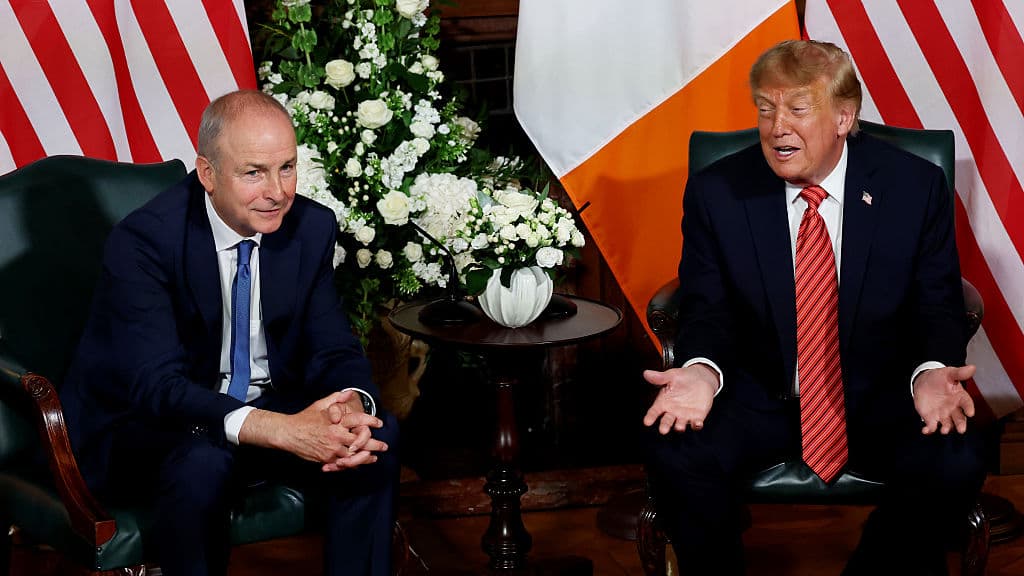

The timing of the Cardiff summit coincided with renewed international commentary. U.S. President Donald Trump told reporters in Doonbeg that a unified Ireland would be fantastic and inevitable, breaking with decades of careful diplomatic neutrality, as reported by Time Magazine. Those remarks drew swift backlash from British politicians, with Conservative leader Kemi Badenoch dismissing the comments as unhelpful loose talk, and Reform UK leader Nigel Farage insisting that Northern Ireland remains a proud part of the United Kingdom. Prime Minister Andy Burnham maintained that a border poll for Northern Ireland remains firmly off the table.
Constitutional foundations across the three nations vary significantly, as examined by legal analysts and reporters. Scotland held an independence referendum in 2014 resulting in a 55 percent to 45 percent rejection after Westminster granted temporary legislative competence via a section 30 order of the Scotland Act 1998. Subsequent attempts by Holyrood to legislate for a second vote were blocked by the UK Supreme Court in 2022. Wales possesses no comparable internal mechanism within the Government of Wales Act 2006 to unilaterally call a referendum. Northern Ireland operates under the distinct statutory provisions of the 1998 Good Friday Agreement, requiring the UK Northern Ireland Secretary to trigger a border poll only if a majority vote for reunification appears likely.
| Nation | Nationalist Party | Recent Polling Support for Change | Governing Legal Mechanism |
|---|---|---|---|
| Scotland | Scottish National Party (SNP) | 47 percent (Survation) | Requires Westminster approval (Scotland Act 1998) |
| Wales | Plaid Cymru | 32 percent overall (Survation) | No existing unilateral referendum mechanism |
| Northern Ireland | Sinn Féin | 36 percent to 42 percent (University of Liverpool / Survation) | Mandated border poll via 1998 Good Friday Agreement |
The political backdrop to this alignment stems from simultaneous regional electoral outcomes where nationalist parties secured leadership roles across all three devolved governments. Commentators note that while public motivation often centered on economic factors and dissatisfaction with Westminster politics, the convergence of leadership has amplified regional demands. Prime Minister Andy Burnham has pushed back against these developments, arguing that public focus should remain on economic recovery rather than constitutional division.
As the debate moves forward, observers will watch whether the political momentum generated by the Cardiff memorandum translates into long-term policy coordination or heightened legislative conflict with London.
How significant is this development?
Contribute your assessment to the aggregated reader sentiment ledger.
Frequently Asked Questions
Key questions answered in this reportWhat is the key development in: Scotland, Wales and Northern Ireland leaders unite for self-determination?
Political leaders across Scotland, Wales, and Northern Ireland have signed a joint memorandum asserting their right to self-determination and challenging Westminster control.
Why is this Politics development significant for the UK?
This report covers critical events in our Politics beat. Independent reporting monitors related UK statements, regulatory shifts, and public responses as further verified details emerge.
How was this reporting corroborated and verified?
Newsarchy UK compiles and cross-references reporting from primary reporting from Lord Ashcroft Polls and cross-checked wire reports. All coverage adheres to published editorial standards.
When was this report published?
This briefing was published on September 17, 2026 and is permanently cataloged in the Newsarchy UK Politics archives.