Mother of IPP prisoner Shaun Lloyd urges Andy Burnham to release him
The mother of IPP prisoner Shaun Lloyd has appealed to Andy Burnham for his release, highlighting the plight of indefinite detention as other offenders are freed.

- Core Development: The mother of IPP prisoner Shaun Lloyd has appealed to Andy Burnham for his release, highlighting the plight of indefinite detention as other offenders are freed.
- Beat Context: Categorized under Politics with independent corroboration.
- Reporting Depth: 5 minute analytical read synthesized from verified newsroom sources.
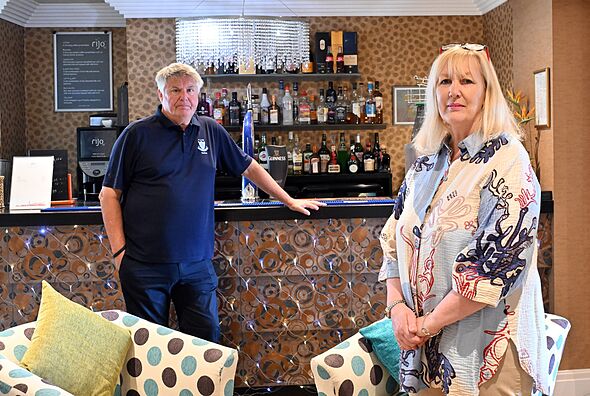
Shirley Debono, the mother of IPP prisoner Shaun Lloyd, has taken her appeal directly to Greater Manchester mayor and Justice Secretary Andy Burnham, demanding that the 38‑year‑old be released while hundreds of other IPP inmates remain locked away without a set date. The request arrives as the UK government prepares to uphold a controversial early‑release scheme that will free domestic abusers and killers but leaves many long‑term offenders, like Shaun, on indefinite hold.
Why the timing matters now
Shaun Lloyd was sentenced in 2006 for a robbery after he pushed a man to the ground and stole a mobile phone. He received a two‑year‑nine‑month term, but an Imprisonment for Public Protection (IPP) order meant his sentence became open‑ended. After serving more than three times his original term, he was recalled to HMP Cardiff weeks ago following an anonymous tip that the family says was malicious.
Media additions

“They have stolen Shaun’s life away from him,” Shirley Debono told Metro. “He had turned his life around. He was drug‑free, he had gotten into the gym, he had applied for an apprenticeship with the railways and got it. And then an anonymous phone call comes in. They stole his life away from him just as he was rebuilding it.”
The appeal comes just days after a United Nations Working Group on Arbitrary Detention condemned IPP detention as “inhumane”. The UN document, released last week, called the practice “psychological torture” and said all five prisoners it examined — including Shaun — were entitled to compensation. The timing therefore pits a personal plea against a looming international judgement and a government that has signalled it will retain the early‑release pathway for certain violent offenders.
Background on IPP and the current scheme
- IPP sentences allowed judges to impose an indefinite period of imprisonment beyond the tariff. They were abolished in 2012 but remain for those sentenced before the change.
- More than 2,000 people are still serving open‑ended IPP terms, many for relatively minor offences such as phone theft.
- The Prime Minister announced a review of IPP sentences on Monday and confirmed the early‑release scheme would continue for rapists, child abusers, groomers, domestic abusers and killers, while excluding them from certain categories.
- The Criminal Cases Review Commission (CCRC) is due in August to decide whether to refer Shaun’s case to the Court of Appeal.
Shirley Debono’s campaign
Beyond her televised appeal, the 66‑year‑old founded “IPP Committee In Action” to lobby for the release of “hundreds of IPP prisoners”. She argues that many, like Shaun, have “served 15 to 20 years for crimes far less heinous than the killers being freed under the new scheme”. The mother also calls for mental‑health facilities to replace prison for those with psychiatric needs, warning that the government “risk having blood on their hands” if they ignore her demands.
What the government says
A Justice Department spokesperson responded that “it is right that these sentences were abolished” and that “support has significantly improved for these offenders, with greater access to rehabilitation and mental health support”. The statement added that officials are “looking at what more can be done”. The same source noted the government’s intention to keep the early‑release plan for violent offenders while reviewing IPP cases.
Parallel political debates
The controversy over IPP releases echoes other current political fights. In the United States, Minnesota governor candidates at a Farmfest forum discussed “fraud” and “immigration” while also promising to expand apprenticeships to boost rural health‑care staffing. Yahoo News reported Sen. Amy Klobuchar’s plan for “10,000 more apprenticeships” across the state, a point that mirrors Shaun’s own apprenticeship application before his recall.
At the same time, a Canberra Letters column in Canberra Times criticised government inaction on homelessness, arguing that “the generosity of public services … played no small part” in helping vulnerable people. While unrelated to IPP, the piece underscores a broader critique: that policy decisions often overlook the human impact on marginalized groups, whether they are homeless families in Australia or long‑term prisoners in the UK.
Timeline of Shaun Lloyd’s case
| Date | Event |
|---|---|
| November 2005 | Shaun, then 18, pushes a man and steals a mobile phone in Cardiff. |
| 2006 | Sentenced to two years and nine months; receives an IPP order. |
| 2014 | First release from prison after serving the tariff. |
| 2014‑2024 | Recalled five times for various breaches, including alleged drug use. |
| Weeks before 8 August 2026 | Recalled again after an anonymous tip, despite no new charge. |
| August 2026 (pending) | CCRC to decide whether to refer the case to the Court of Appeal. |
What’s at stake for other IPP inmates
Shirley Debono cites “as many as 96 people” who have “lost hope of release”. The UN panel examined five men, including Shaun, who together have served a combined 87 years. If the UK government follows the UN’s recommendation, it may have to offer compensation and consider alternative, non‑prison settings for those with mental‑health issues.
Critics of the early‑release scheme argue that focusing on “killers” while ignoring thousands of lower‑risk IPP prisoners creates a moral inconsistency. The two men convicted of killing PC Andrew Harper in 2020, whose early release is part of the current plan, have been highlighted by the mother as a stark contrast to Shaun’s situation.
What to watch next
- August 2026 – The Criminal Cases Review Commission’s decision on whether Shaun’s case proceeds to the Court of Appeal.
- Late August 2026 – Publication of the UK government’s final response to the UN Working Group’s report on IPP detention.
- September 2026 – Parliamentary debate on the early‑release scheme, potentially featuring testimonies from families like the Debonos.
- October 2026 – Any amendment to the IPP‑related provisions in the upcoming Justice Bill, which could reshape the future of open‑ended sentences.
As the debate intensifies, Shirley Debono’s plea adds a personal dimension to a policy battle that straddles domestic politics, international human‑rights law, and the lives of families caught in the crossfire. Whether Andy Burnham will expand the early‑release pathway to include IPP prisoners like Shaun remains the defining question for the UK’s criminal‑justice system in the coming months.
How significant is this development?
Contribute your assessment to the aggregated reader sentiment ledger.
Frequently Asked Questions
Key questions answered in this reportWhat is the key development in: Mother of IPP prisoner Shaun Lloyd urges Andy Burnham to release him?
The mother of IPP prisoner Shaun Lloyd has appealed to Andy Burnham for his release, highlighting the plight of indefinite detention as other offenders are freed.
Why is this Politics development significant for the UK?
This report covers critical events in our Politics beat. Independent reporting monitors related UK statements, regulatory shifts, and public responses as further verified details emerge.
How was this reporting corroborated and verified?
Newsarchy UK compiles and cross-references reporting from primary reporting from metro.co.uk and cross-checked wire reports. All coverage adheres to published editorial standards.
When was this report published?
This briefing was published on August 6, 2026 and is permanently cataloged in the Newsarchy UK Politics archives.