UK brings first charges over 1994 Rwanda genocide against Vincent Brown
The UK Crown Prosecution Service has charged Vincent Brown with seven offenses related to the 1994 Rwandan genocide, marking a historic first for British courts.
- Core Development: The UK Crown Prosecution Service has charged Vincent Brown with seven offenses related to the 1994 Rwandan genocide, marking a historic first for British courts.
- Beat Context: Categorized under Politics with independent corroboration.
- Reporting Depth: 3 minute analytical read synthesized from verified newsroom sources.
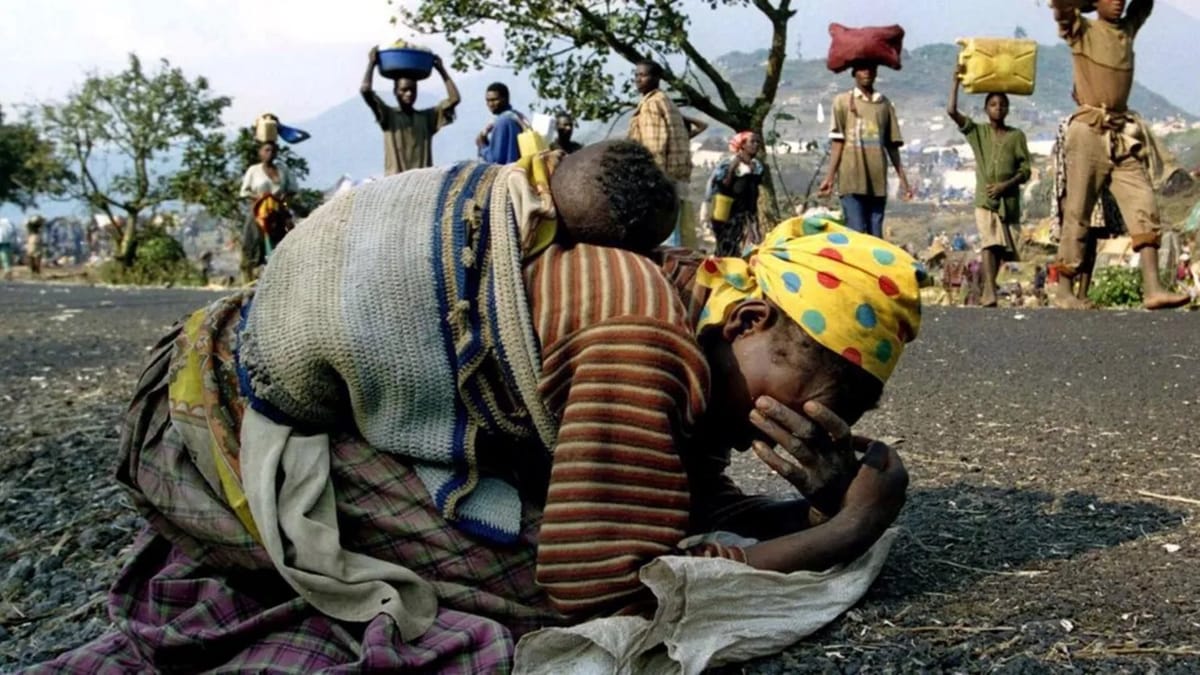
The first time the United Kingdom has brought a case against a suspect for the 1994 Rwandan genocide, the Crown Prosecution Service (CPS) announced that Vincent Brown, a 65‑year‑old former medical doctor, has been charged with seven offences. The indictment came after a seven‑year investigation by the Metropolitan Police War Crimes Team and marks the beginning of a series of European prosecutions targeting alleged perpetrators of the mass killings that left an estimated 800,000 people dead.
Brown, who lived in Islington until his arrest, was identified by the CPS as Vincent Bajinya.
Media additions

The investigation was set in motion in September 2019 after the Rwandan government formally requested the UK to look into people who were allegedly involved in the genocide. Police collected witness statements in Kigali, analysed archival documents and compiled a dossier that was submitted to the CPS. The decision to charge Brown was taken after the CPS reviewed that file and concluded that “our legal test for bringing criminal charges had been met.”
“He is alleged to have directed and incited acts of murder and genocide carried out by others,”
Frank Ferguson, head of the Crown Prosecution Service’s Special Crime and Counter Terrorism Division
Brown’s extradition to Rwanda was refused by a UK court in 2017. The High Court ruled that the suspect faced a real risk of an unfair trial in Rwanda because of concerns over judicial independence and witness protection. The failed extradition prompted the Rwandan government to urge British authorities to investigate the matter themselves.
Chief Magistrate Paul Goldspring granted him conditional bail, requiring a £25,000 security and the surrender of his passport. He must also live and sleep at his home address.
“The defendant has the right to a fair trial, and it is extremely important that there should be no reporting, commentary or sharing of information online that could prejudice those proceedings,”
Frank Ferguson, head of the Crown Prosecution Service’s Special Crime and Counter Terrorism Division
Commander Helen Flanagan, head of Counter Terrorism Policing London, said the case “demonstrates that the UK is not a safe haven for individuals suspected of committing international crimes.” She added that the War Crimes Team remains committed to ensuring that those suspected of involvement in genocide and other atrocity crimes are held accountable through due legal process and that other investigations into similar offences are ongoing.
Brown’s case joins a growing list of European prosecutions. In August, a Dutch court sentenced a 66‑year‑old Rwandan‑born Dutch national to life imprisonment for genocide and war crimes. In July, a German‑Rwandan national was arrested for his role in the killings. These cases underline a continental shift toward holding perpetrators responsible, even when the crimes occurred outside national borders.
Under that law, British prosecutors can bring charges for genocide and crimes against humanity even if the acts were committed abroad. The CPS stresses that it makes prosecution decisions independently of police and government, on the evidence available and in accordance with the law.
In the wake of the indictment, the Rwandan government has expressed its gratitude for the UK’s willingness to pursue justice. The case also signals to other suspects living in Britain that the War Crimes Team will continue to investigate. The CPS and the police have indicated that they are looking into other individuals who may have played similar roles during the genocide.
Brown’s lawyer, Sam Blom‑Cooper, has stated that his client denies the allegations and intends to contest the charges in a jury trial.
How significant is this development?
Contribute your assessment to the aggregated reader sentiment ledger.
Frequently Asked Questions
Key questions answered in this reportWhat is the key development in: UK brings first charges over 1994 Rwanda genocide against Vincent Brown?
The UK Crown Prosecution Service has charged Vincent Brown with seven offenses related to the 1994 Rwandan genocide, marking a historic first for British courts.
Why is this Politics development significant for the UK?
This report covers critical events in our Politics beat. Independent reporting monitors related UK statements, regulatory shifts, and public responses as further verified details emerge.
How was this reporting corroborated and verified?
Newsarchy UK compiles and cross-references reporting from primary reporting from worthynews.com and cross-checked wire reports. All coverage adheres to published editorial standards.
When was this report published?
This briefing was published on September 22, 2026 and is permanently cataloged in the Newsarchy UK Politics archives.