UK government condemns violent anti-migrant protests at southern ports
The British government has condemned the intimidating behaviour of demonstrators who converged on southern ports following small-boat crossings. Police officers sustained injuries and RNLI rescue personnel faced verbal abuse during clashes.
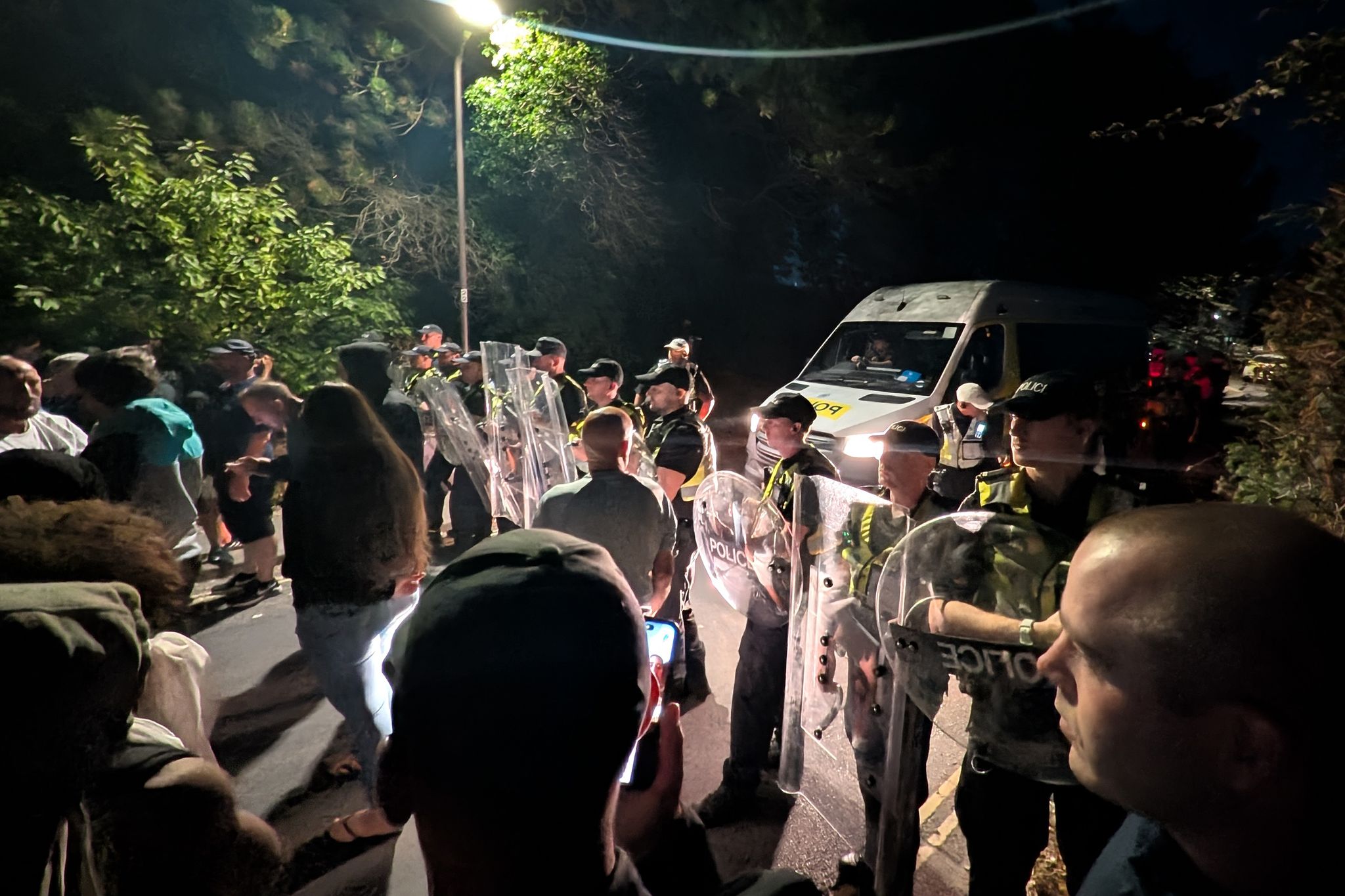
The British government has condemned the intimidating behaviour of demonstrators who converged on southern ports following small-boat crossings. Protesters faced off with law enforcement and directed abuse at rescue personnel, prompting a strong rebuke from ministers and an ongoing police investigation into assaults on officers and damage to official vehicles.
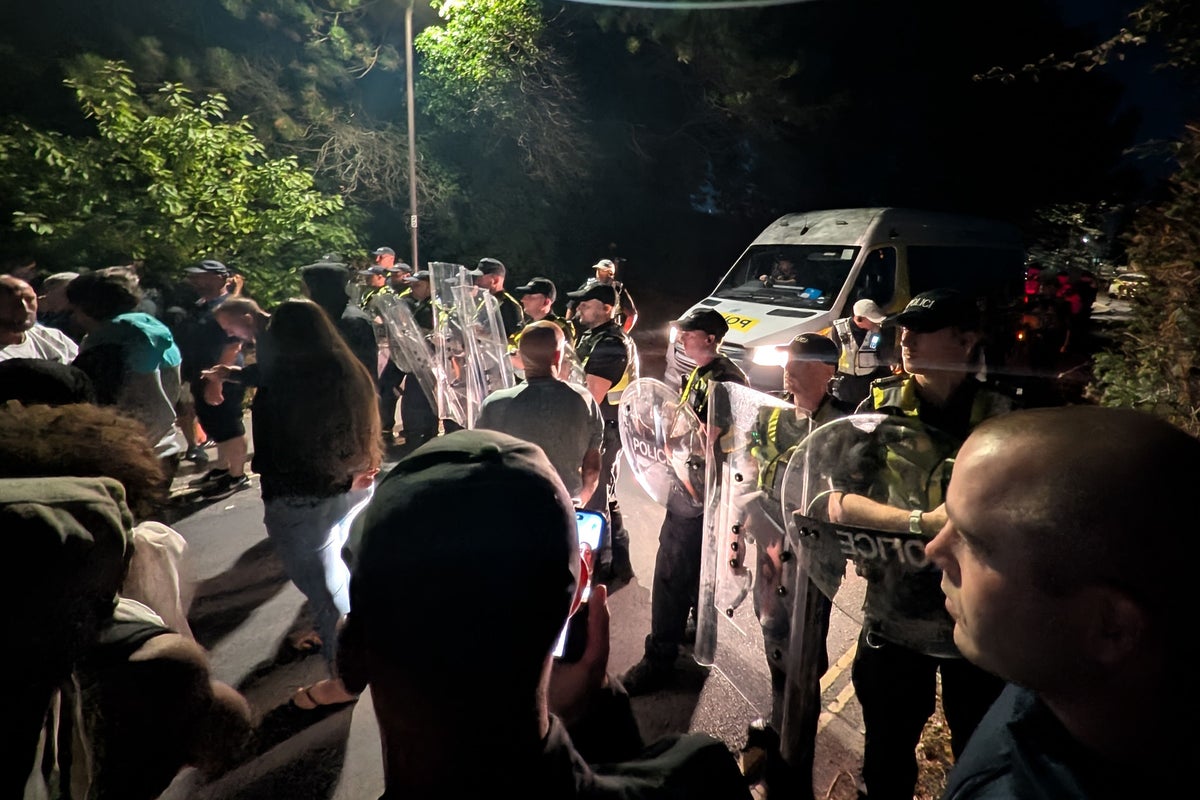
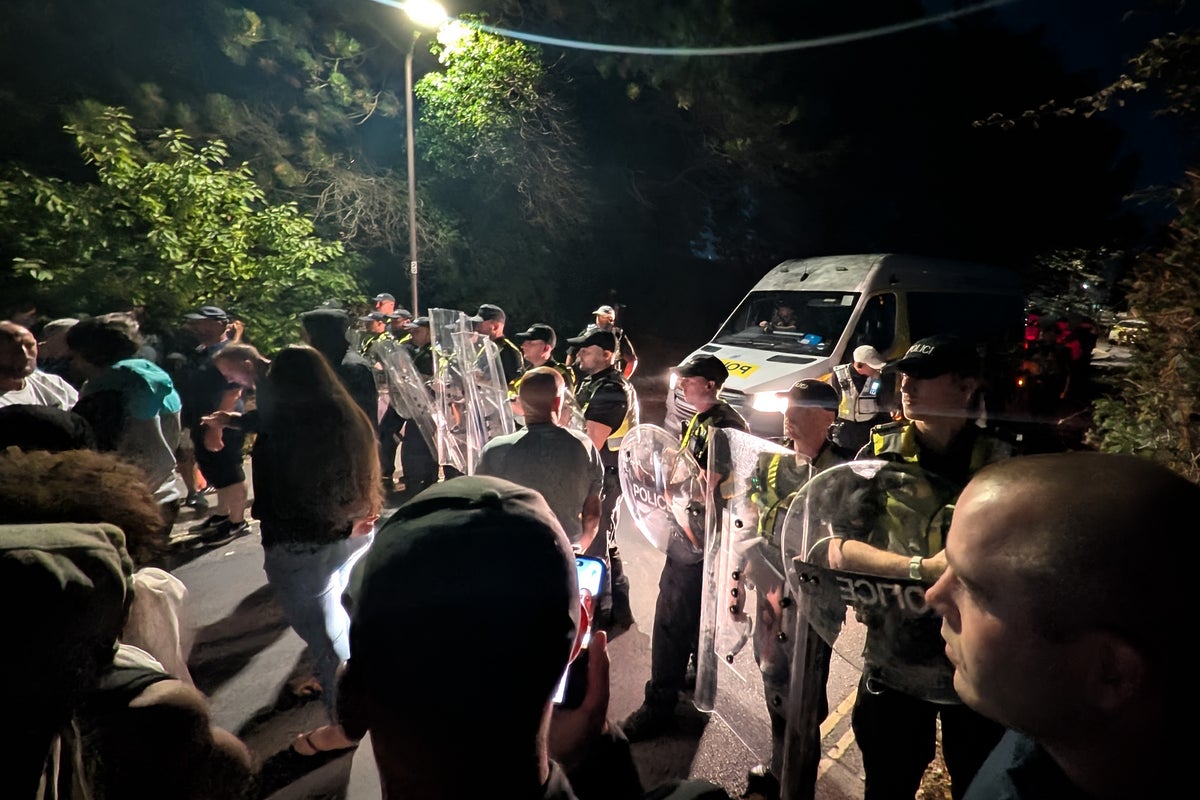
The unrest began when hundreds of black-clad demonstrators gathered in Portsmouth, following an earlier demonstration at Britain's busiest ferry port in Dover. Protesters attempted to stop lifeboats from bringing migrants ashore and tried to block buses transporting the new arrivals to a processing facility. Police officers in riot gear protected coaches leaving the area, while a dispersal order was enacted. According to local police forces, several officers sustained injuries that required medical attention at the scene, and official vehicles suffered criminal damage. Neither Kent nor Hampshire and Isle of Wight forces made any arrests during the weekend incidents, though investigations remain active.
Media additions


Both demonstrations were linked to activist networks organized by Daniel Thomas, an associate of far-right figure Stephen Yaxley-Lennon. Thomas defended the use of masks by participants, claiming that attendees wanted to avoid being labelled rather than intimidate anyone. Reform UK leader Nigel Farage criticized the group for dressing in paramilitary-style uniforms, warning that the country was on the edge of serious civil disturbance.
During the Portsmouth confrontation, volunteers from the Royal National Lifeboat Institute returning from a rescue operation were targeted by individuals shouting abuse and branding them traitors. The RNLI defended its humanitarian mission, emphasizing that volunteer crews assist anyone in trouble on the water without judgment or preference, continuing a tradition spanning centuries. Public figures, local councillors, and maritime veterans condemned the targeting of the charity, praising the crews for risking their lives at sea.
Government officials responded swiftly to the events. Policing minister Sarah Jones condemned the disorder in a statement to Parliament, warning that those crossing the line into illegality would face the full force of the law. Meanwhile, Prime Minister Andy Burnham addressed the Parliamentary Labour Party, stressing the need to counter fear with positivity and prevent the politics of poison from spreading onto British streets, as reported by The Independent.
| Metric | Figure / Detail |
|---|---|
| Total small boat arrivals (Jan–Sep) | 17,138 |
| Year-on-year change | Down 43% |
| Migrants on Sunday boat | Approx. 120–140 |
| Total migrants arriving Sunday | 625 across 8 boats |
The vessel at the center of the Portsmouth protest had departed from Normandy rather than the standard Calais region, completing a much longer journey to Hampshire. While local officials and council leaders described the southern landing location as unsuitable and called for better communication from the Home Office, migration researchers suggested traffickers might occasionally alter routes to evade heightened security patrols around Calais. Further context is available through BBC News and Big Rapids Pioneer reporting.
Investigations into the Portsmouth clashes remain active, with police forces working to identify individuals responsible for assaults and property damage.