UK imposes trade sanctions on illegal West Bank settlements
The UK has announced sweeping trade sanctions targeting illegal West Bank settlements, sparking swift diplomatic retaliation from Israel and a rift with the US.

- Core Development: The UK has announced sweeping trade sanctions targeting illegal West Bank settlements, sparking swift diplomatic retaliation from Israel and a rift with the US.
- Beat Context: Categorized under Politics with independent corroboration.
- Reporting Depth: 4 minute analytical read synthesized from verified newsroom sources.
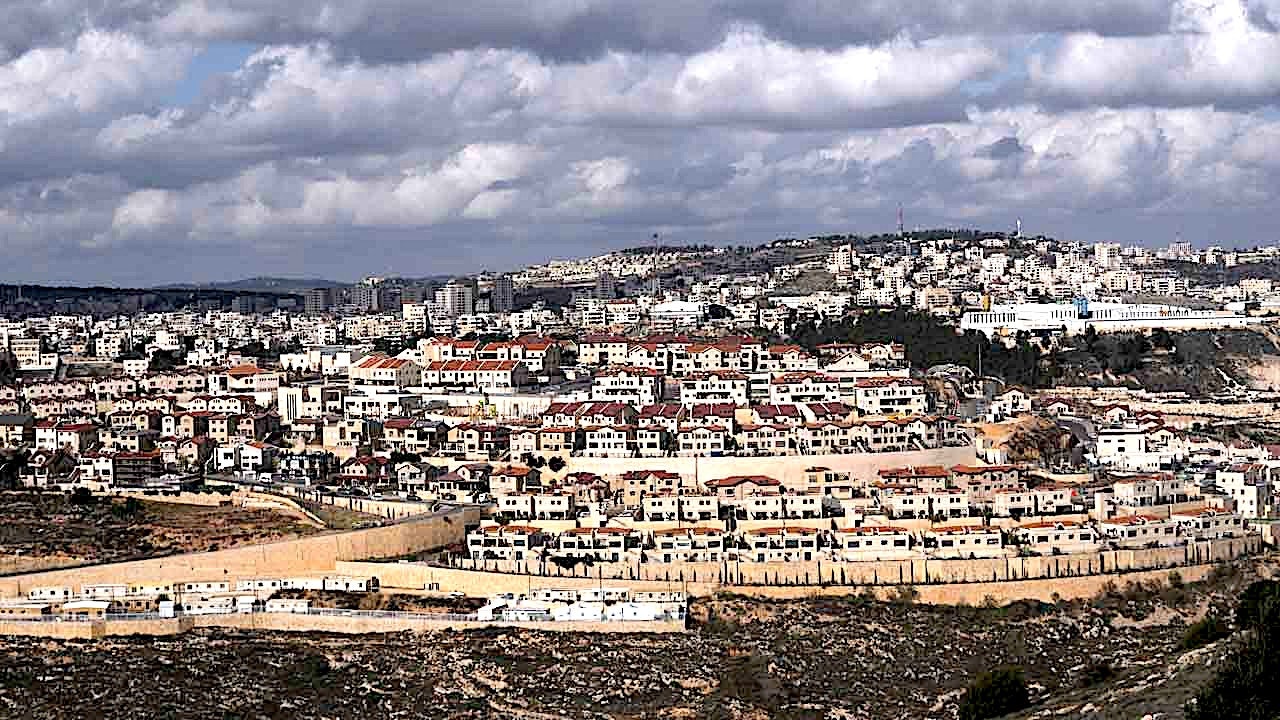
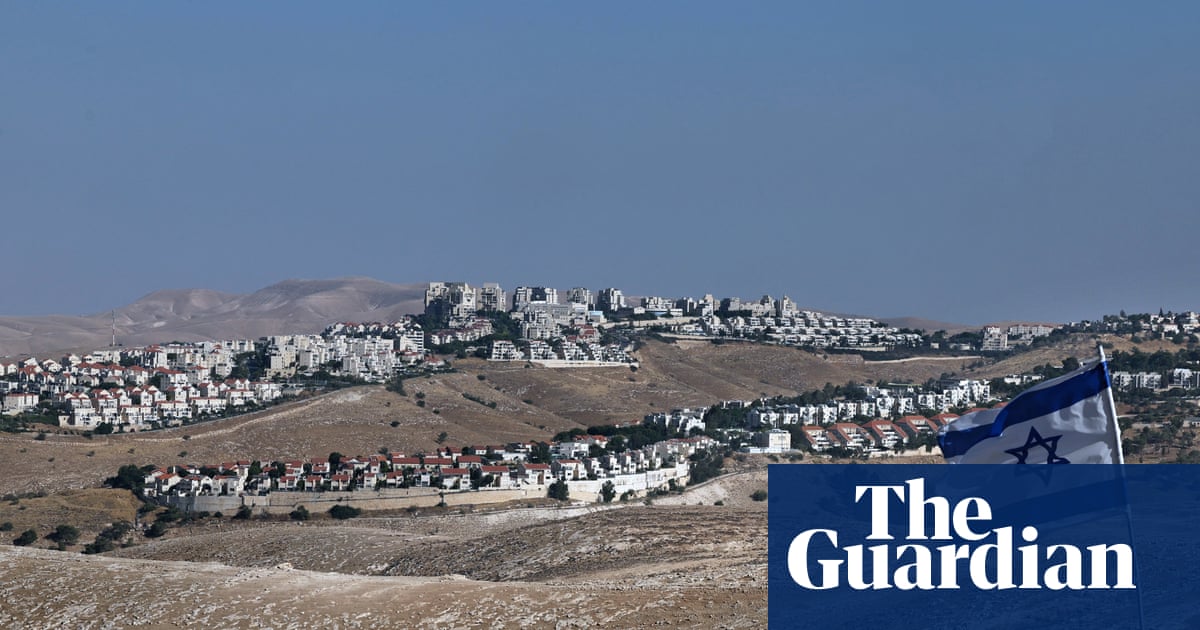
The United Kingdom has announced a sweeping package of trade and economic sanctions targeting illegal Israeli settlements in the occupied West Bank, marking a dramatic shift in British foreign policy and plunging diplomatic relations with Israel to a historic low. Unveiled to Parliament, the measures include an import ban on settlement goods, restrictions on financing and construction services, a ban on domestic advertising for illegal properties, and the refusal of arms licenses contributing to the occupation.
Foreign Secretary Ed Miliband told lawmakers that the government now officially views the entire Israeli occupation of the West Bank as unlawful. Describing himself as a proud British Jew whose grandmother found refuge in Israel, Miliband drew a clear distinction between the Israeli population and the conduct of its government.
Media additions

Miliband explicitly invoked the United Nations definition of ethnic cleansing, stating that the British government agrees that an ethnic cleansing of Palestinians is taking place in areas of the West Bank at the hands of settler terrorists, with the Israeli government frequently turning a blind eye or actively supporting forced displacement. The remarks drew sharp condemnation from Israeli Foreign Minister Gideon Sa’ar, who dismissed the accusations as outrageous lies and accused the Labour administration of blatant interference in Israel's upcoming general election.
The diplomatic fallout was swift. Israel ordered the closure of the British consulate in occupied East Jerusalem — an office traditionally focused on Palestinian affairs — terminated British involvement in training Palestinian Authority forces, excluded the UK from the US-led Gaza coordination mission in Kiryat Gat, and slapped entry bans on a group of predominantly left-wing British politicians, including former Labour leader Jeremy Corbyn, Zarah Sultana, Diane Abbott, Naz Shah, John McDonnell, Richard Burgon, and Green MPs Hannah Spencer, Carla Denyer, Siân Berry, and Ellie Chowns.
Hardline Israeli officials went further. Public Security Minister Itamar Ben-Gvir called on Prime Minister Benjamin Netanyahu to recognize Argentina’s claim to the Falkland Islands, a British overseas territory, and impose reciprocal sanctions on Britain. Finance Minister Bezalel Smotrich had previously demanded the expulsion of the British ambassador entirely.
The British announcement was part of a coordinated international push. A joint statement issued by Denmark, Finland, France, Iceland, Ireland, Norway, Poland, Portugal, Spain, Sweden, Canada, and the United Kingdom confirmed their intention to introduce national restrictions or support European measures against settlement trade. However, the United States broke ranks. US Secretary of State Marco Rubio told journalists that Washington would not join the UK-led trade restrictions, noting that the US does not want to see destabilizing moves in the region.
| Country / Entity | Stance on Settlement Sanctions | Retaliatory or Diplomatic Actions Taken |
|---|---|---|
| United Kingdom | Led trade import and financing ban | Accused settlers of ethnic cleansing; targeted settlement entities and arms licenses |
| Israel | Rejected sanctions as illegitimate interference | Closed British consulate in East Jerusalem; banned selected UK MPs; expelled British representatives from coordination center |
| United States | Declined to join UK-led sanctions | Warned through Ambassador Mike Huckabee that British businesses could face economic blowback in states with anti-boycott laws |
| France & Canada | Co-signed 12-nation joint trade restriction push | France barred far-right Israeli minister Bezalel Smotrich and settler leaders from entry |
The policy has also sparked fierce domestic debate within the UK. Opposition figures warned that the move risks isolating Israel and fueling antisemitism at home. Conservative shadow foreign secretary Tom Tugendhat cautioned that turning Israel into a pariah could trigger a further rise in antisemitic violence on British streets. Chief Rabbi Sir Ephraim Mirvis condemned the announcement as a dark day for British Jews, arguing that gesture politics would only bolster extremism. Labour MP Peter Prinsley and independent terrorism legislation reviewer Jonathan Hall similarly warned Miliband that the measures risked painting a target on the backs of the British Jewish community.
Prime Minister Andy Burnham’s administration has maintained that trade with Israel inside the Green Line will remain fully protected, and Miliband explicitly stressed his opposition to the broader Boycott, Divestment and Sanctions movement.
Attention now turns to the practical enforcement of the trade bans, which officials estimate will take months to roll out through legislative procedures. As Prime Minister Andy Burnham prepares for potential diplomatic friction with Washington following phone talks with President Donald Trump, analysts remain divided on whether the sanctions will materially alter settlement expansion or merely harden political divides ahead of Israel's October elections.
How significant is this development?
Contribute your assessment to the aggregated reader sentiment ledger.
Frequently Asked Questions
Key questions answered in this reportWhat is the key development in: UK imposes trade sanctions on illegal West Bank settlements?
The UK has announced sweeping trade sanctions targeting illegal West Bank settlements, sparking swift diplomatic retaliation from Israel and a rift with the US.
Why is this Politics development significant for the UK?
This report covers critical events in our Politics beat. Independent reporting monitors related UK statements, regulatory shifts, and public responses as further verified details emerge.
How was this reporting corroborated and verified?
Newsarchy UK compiles and cross-references reporting from primary reporting from Council on Foreign Relations and cross-checked wire reports. All coverage adheres to published editorial standards.
When was this report published?
This briefing was published on September 9, 2026 and is permanently cataloged in the Newsarchy UK Politics archives.