Andy Burnham gets boost as UK inflation falls to 2.6% in June
Inflation slowed to 2.6% in June, driven by declines in fuel, clothing, and food prices. Economists warn that rising energy costs may trigger a future rebound.
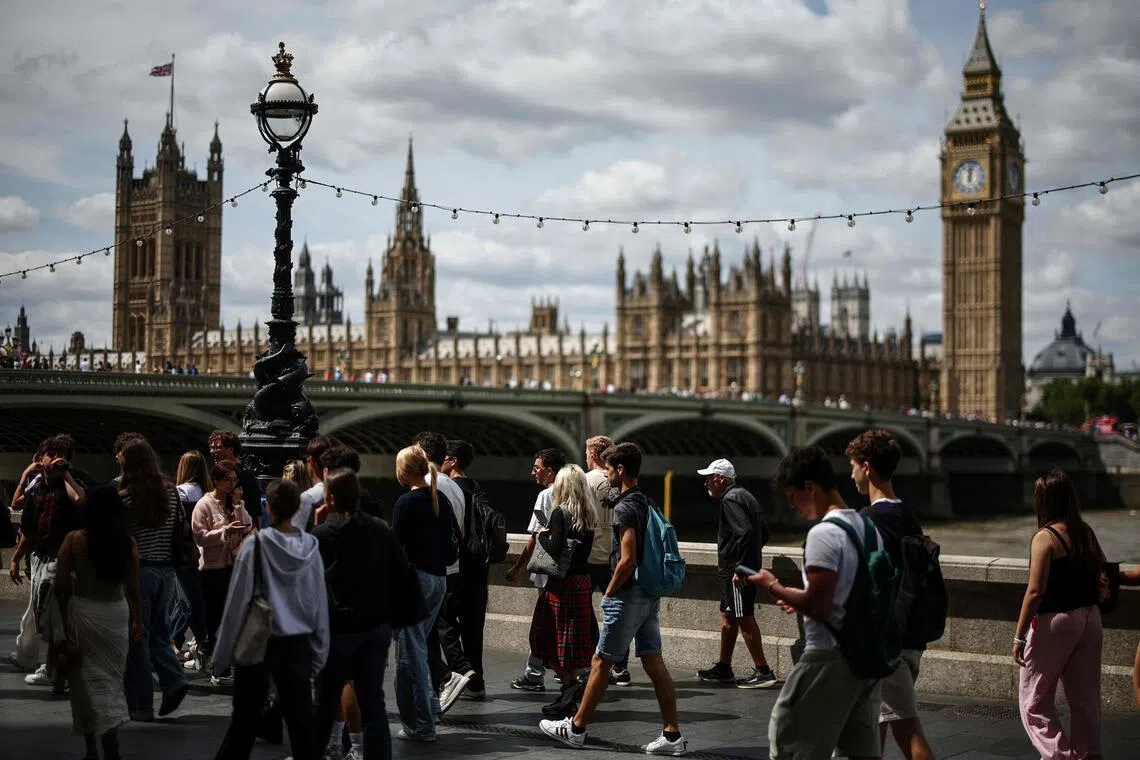
- Core Development: Inflation slowed to 2.6% in June, driven by declines in fuel, clothing, and food prices. Economists warn that rising energy costs may trigger a future rebound.
- Beat Context: Categorized under Sport with independent corroboration.
- Reporting Depth: 3 minute analytical read synthesized from verified newsroom sources.
On 22 July 2026, the Office for National Statistics published the latest consumer price index, revealing that inflation rose by 2.6 per cent in annual terms during June. This figure marks the weakest increase since March 2025 and follows a reading of 2.8 per cent in May. The data provides a brief economic reprieve for Prime Minister Andy Burnham, who took office on 20 July 2026.
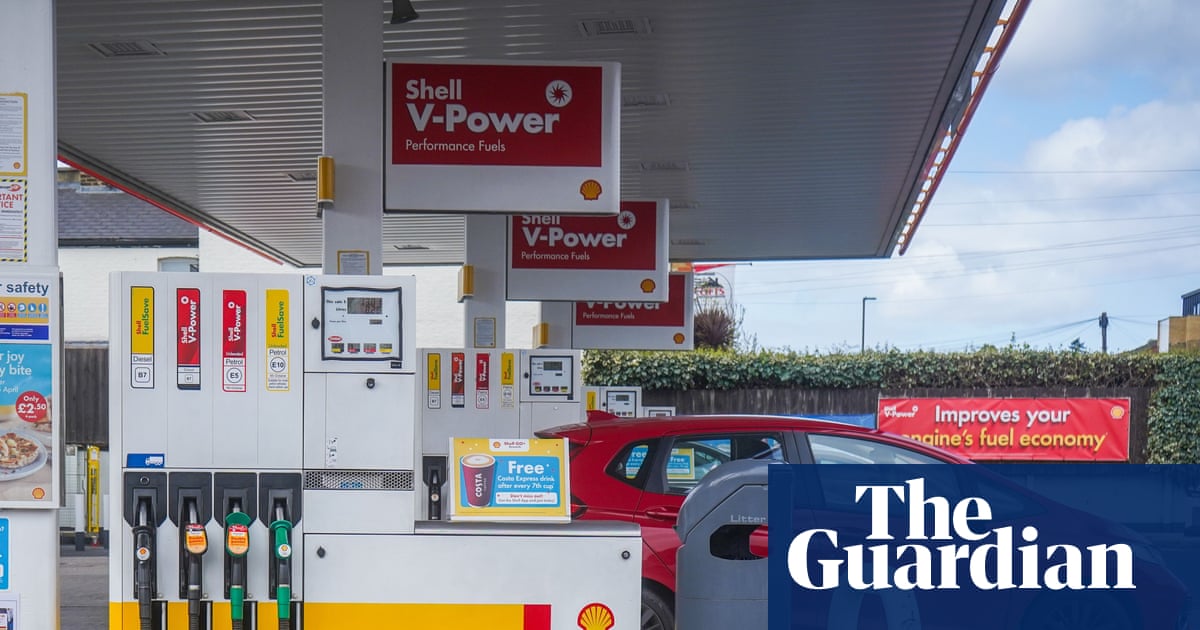
The cooling of inflation was primarily driven by a fall in motor fuel prices, which saw a month-on-month decrease for the first time since the war in the Middle East began in late February. According to the Office for National Statistics, clothing costs also declined due to the arrival of summer sales that featured deeper discounts than those observed in the previous year. Furthermore, food prices—specifically chocolate, margarine, and beef—contributed to the downward trend. Manufacturers’ input costs dropped by 2.0 per cent from May, while the rise in prices of goods leaving factories also slowed.
Media additions
Policy responses and fiscal planning
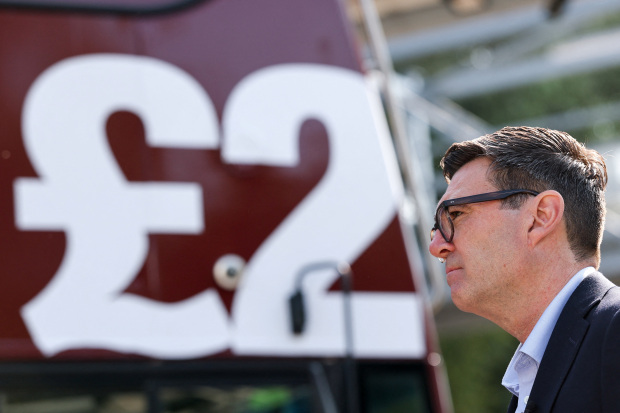
In his first week of leadership, the Prime Minister has moved to address the cost of living by announcing a reduction in VAT on electricity bills and a new £2 cap on bus fares in England, which is set to begin in January. The new finance minister, John Healey, described the inflation data as news families want to hear
but acknowledged the scale of the ongoing challenge.
"There is much more to do to give people the breathing space they need."
While the government emphasises these measures to support working people, the opposition has raised concerns regarding the fiscal approach. Shadow chancellor Mel Stride criticised the government for what he termed reckless borrowing
and questioned the sustainability of the Prime Minister’s spending commitments, noting that inflation remains above the Bank of England’s 2 per cent target.
Market expectations and economic forecasting
Despite the June decline, experts warn that the relief may be transient. The recent escalation of hostilities in the Middle East has pushed the price of Brent crude oil back above $90 a barrel as of 22 July 2026. Matt Swannell, chief economic adviser to the ITEM Club, warned that rising wholesale energy prices are expected to negate the benefits of the government's power bill tax cut. Consequently, inflation could climb toward 3.5 per cent by the end of 2026.
The Bank of England, which has an inflation target of 2 per cent, has projected that the rate may rise to 3 per cent in the third quarter. Investors currently expect the central bank to maintain its benchmark interest rate at 3.75 per cent when it meets next week.
"Today’s data strengthens the case for the Bank of England’s cautious approach, with underlying inflationary pressures remaining relatively muted in an environment of weak domestic demand."
Looking ahead, economists are monitoring the impact of the Ofgem energy price cap increase scheduled for October. Charlotte O’Leary, an associate economist at NIESR, noted that while the VAT cut on electricity may provide some mitigation, the broader energy price environment will likely keep costs elevated as the weather cools.
Comparative data for June 2026 shows that the United Kingdom’s 2.6 per cent inflation rate remains lower than the United States, at 3.5 per cent, and the euro zone, at 2.8 per cent. Despite this, Suren Thiru, chief economist at the ICAEW, cautioned that an upward swing in future inflation could reduce the finance ministry's fiscal headroom and increase borrowing costs.
How significant is this development?
Contribute your assessment to the aggregated reader sentiment ledger.
Frequently Asked Questions
Key questions answered in this reportWhat is the key development in: Andy Burnham gets boost as UK inflation falls to 2.6% in June?
Inflation slowed to 2.6% in June, driven by declines in fuel, clothing, and food prices. Economists warn that rising energy costs may trigger a future rebound.
Why is this Sport development significant for the UK?
This report covers critical events in our Sport beat. Independent reporting monitors related UK statements, regulatory shifts, and public responses as further verified details emerge.
How was this reporting corroborated and verified?
Newsarchy UK compiles and cross-references reporting from primary reporting from straitstimes.com and cross-checked wire reports. All coverage adheres to published editorial standards.
When was this report published?
This briefing was published on July 22, 2026 and is permanently cataloged in the Newsarchy UK Sport archives.