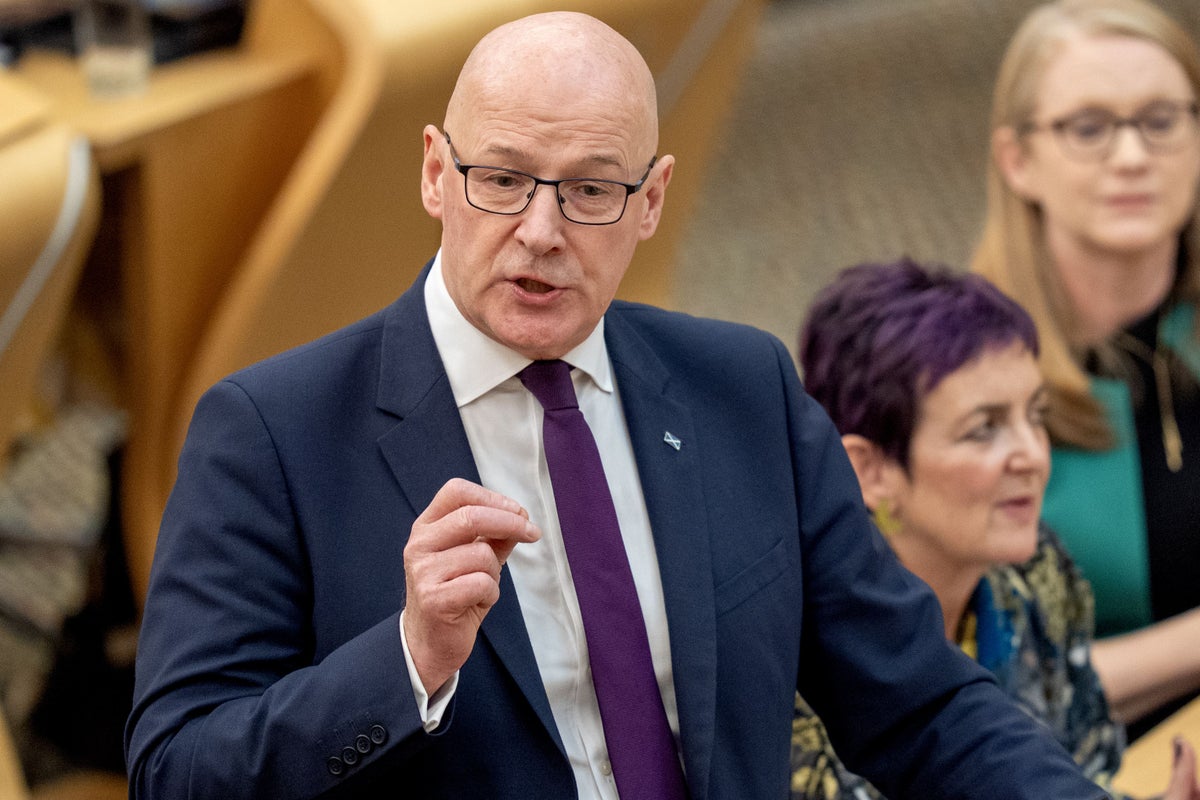
Andy Burnham faces postcode lottery warning over new EV cross-pavement rules
Andy Burnham is facing warnings over new electric vehicle regulations, with experts cautioning that driveway policies risk creating a postcode lottery.

- Core Development: Andy Burnham is facing warnings over new electric vehicle regulations, with experts cautioning that driveway policies risk creating a postcode lottery.
- Beat Context: Categorized under Politics with independent corroboration.
- Reporting Depth: 4 minute analytical read synthesized from verified newsroom sources.
Andy Burnham is facing a severe warning over new electric vehicle regulations, with industry experts cautioning that his administration's upcoming driveway policy risks creating a stark postcode lottery for motorists across the country. The government has taken steps to tackle the so-called driveway divide by encouraging the use of cross-pavement charging solutions such as gullies, small channels which feed charging cables under the footpath. Yet while removing planning permission barriers has been welcomed as a sensible reduction in red tape, critics argue that the policy leaves crucial decisions in the hands of local authorities.
The core tension lies in the severe financial disparity between home and public charging. Motorists with off-street driveways currently enjoy a 5% VAT rate on domestic electricity, and is set to be cut to 0% from October. Conversely, drivers dependent on public charging devices continue to face a 20% VAT levy. According to Birmingham Live, this dynamic allows domestic users to pay significantly lower rates — potentially reducing home charging costs to a fraction of public fees — while public charges hover around 51p per kWh. Melanie Lane, Chief Executive Officer at charging firm Pod, warned that abolishing domestic VAT completely for six months creates a massive 20% gap between those who can charge at home and those compelled to use public infrastructure, as reported by the Express.
Media additions
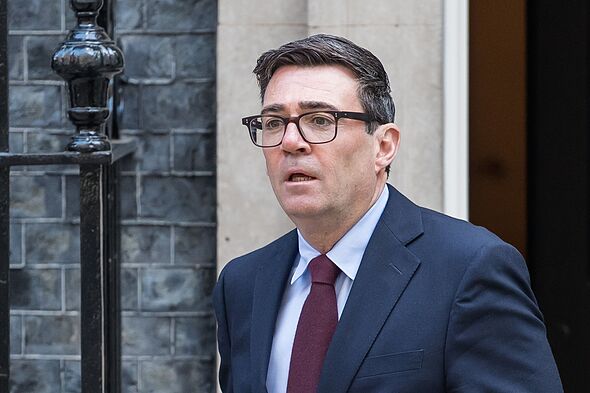


James Court, Public Policy Director at Octopus Electric Vehicles, highlighted the localized nature of the new rules as a primary concern. Speaking to Aol, Court noted that removing planning permission is a positive step that cuts red tape, but cautioned that councils will still decide whether these installations can go ahead. This leaves road users facing an unsatisfactory divide where one council enables cheap home charging while a neighboring authority does not. Data from a Freedom of Information request cited by AOL indicated that only 42% of councils in England, Scotland and Wales plan to have cross-pavement solutions available by the end of 2026. Meanwhile, government surveys suggest roughly eight million households, about 32% of English homes, lack access to off-street parking.
| Metric / Scheme | Figure / Status | Source Details |
|---|---|---|
| Domestic VAT Cut | Reduced to 0% from October | Express |
| Public Charging VAT | Maintained at 20% | AOL.co.uk |
| Households without Off-Street Parking | Approx. 8 million (32%) | AOL.co.uk |
| Councils Planning Cross-Pavement Solutions | 42% by end of 2026 | AOL.co.uk |
| On-Street Chargepoint Grant Uptake | 39 sockets funded (£13,531 total) as of January | Chronicle Live |
| Household EV Charger Grant | Increased to £500 on April 1 | Chronicle Live |
Parliamentary scrutiny has further exposed the slow rollout of existing support. According to Chronicle Live, decarbonisation minister Keir Mather revealed in response to questions from MPs that the Electric Vehicle Chargepoint Grant for Households with On-Street Parking had funded just 39 sockets with a total value of £13,531 as of January. This grant operates alongside a £25 million Electric Vehicle Pavement Channels Grant intended for local authorities. Mather also noted that the Department for Transport consulted between November 2025 and January 2026 on expanding permitted development rights for pavement gullies, with a formal response expected shortly.
Compounding the rollout concerns, energy market forecasts suggest the short-lived savings could be abruptly reversed. While the October VAT cut is anticipated to trim the annual Ofgem price cap by approximately £45, financed through the cancellation of the projected £1.8 billion Digital ID programme, energy firm EON has predicted that price caps could surge again in January 2027. Specialists warn that caps could rise by more than £300, potentially adding up to 5.5p per kWh to standard electricity rates and undermining the early financial relief for electric vehicle owners.
As the government prepares to publish its formal response to the permitted development consultation, motorists and local authorities await definitive guidance on how the cross-pavement rollout will be standardized. Industry representatives continue to press ministers to address the wider fiscal imbalance by lowering the 20% VAT rate on public chargers to match domestic levies, ensuring that the transition to electric vehicles remains accessible regardless of whether drivers have access to a private driveway.
How significant is this development?
Contribute your assessment to the aggregated reader sentiment ledger.
Frequently Asked Questions
Key questions answered in this reportWhat is the key development in: Andy Burnham faces postcode lottery warning over new EV cross-pavement rules?
Andy Burnham is facing warnings over new electric vehicle regulations, with experts cautioning that driveway policies risk creating a postcode lottery.
Why is this Politics development significant for the UK?
This report covers critical events in our Politics beat. Independent reporting monitors related UK statements, regulatory shifts, and public responses as further verified details emerge.
How was this reporting corroborated and verified?
Newsarchy UK compiles and cross-references reporting from primary reporting from AOL.co.uk and cross-checked wire reports. All coverage adheres to published editorial standards.
When was this report published?
This briefing was published on September 20, 2026 and is permanently cataloged in the Newsarchy UK Politics archives.