BBC funding shake-up could see Netflix and Disney+ users pay extra
As licence fee numbers decline, the government is considering a new funding model that could see households using streaming services contribute to the BBC.

- Core Development: As licence fee numbers decline, the government is considering a new funding model that could see households using streaming services contribute to the BBC.
- Beat Context: Categorized under Sport with independent corroboration.
- Reporting Depth: 3 minute analytical read synthesized from verified newsroom sources.
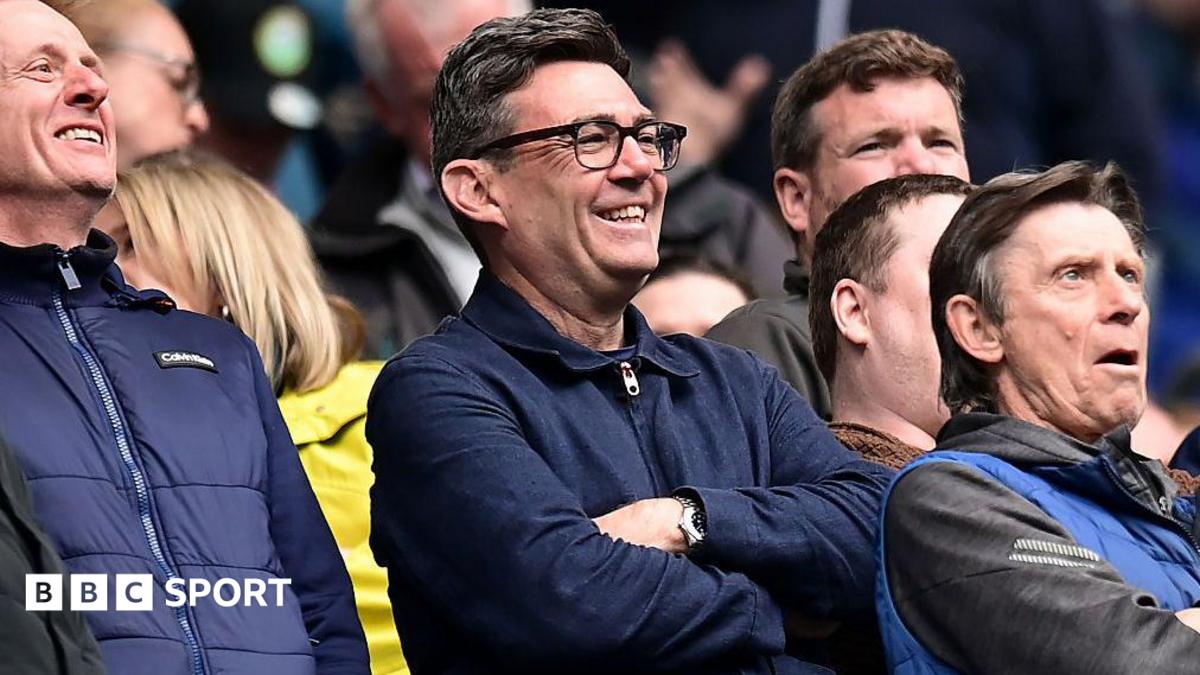
The Bbc is currently navigating an existential funding crisis that may force significant changes to the way UK households consume media, potentially impacting users of streaming services such as Netflix and Disney+. As the broadcaster faces a shrinking pool of licence fee payers and internal pressure to modernize, the government under Prime Minister Andy Burnham is now tasked with determining the corporation’s future financial model.
The current television licence is legally required to watch or record live broadcasts or to access BBC iPlayer. Industry analysis suggests this model is failing to keep pace with modern habits. According to data, licence fee income has fallen by approximately a quarter in real terms since 2017. The BBC’s own annual report, published in mid-July 2026, indicated that the number of licence fee payers fell by 539,000 in the 2025-26 financial year, more than double the reduction seen in the previous year. This has led to service cuts, including the cancellation of Radio 4’s The World Tonight and the decision to scrap Sunday morning BBC Breakfast programming. As part of a drive to save £500 million over the next two to three years, the corporation is also facing the loss of 1,800‑2,000 jobs.
Media additions

Culture Secretary Lisa Nandy, who remains in her post under the new administration, has indicated that one potential solution involves expanding the licence fee framework. This model could require users of streaming platforms to contribute to public service funding. Under this proposal, households that watch both the BBC and streaming services would pay the full fee, while those who only use streaming platforms might pay a reduced amount. Nandy has suggested that this broader base could theoretically allow for a lower headline fee for all consumers. However, other proposals, such as a flat household levy similar to water rates, have been discussed by policy experts, though such ideas face significant logistical hurdles. Experts at Enders Analysis have expressed skepticism about a purely subscription‑based BBC, noting that reaching the necessary voluntary sign‑up rates to match current funding levels is historically unprecedented in the UK market.
The transition of power to the Burnham administration adds complexity to these negotiations. While Burnham has been a vocal supporter of the BBC, his administration faces a challenging environment. James Purnell, the new Prime Minister’s Chief of Staff, is a former BBC executive who previously negotiated for Charter Renewal. Media policy experts suggest his presence creates a specific tension, as he may possess strong, independent views on the broadcaster's future that could influence the government's direction more heavily than those of the Culture Secretary.
The broader broadcast sector is also undergoing a shift. Ofcom data shows that more than half of 16‑24‑year‑olds do not watch any live broadcast television each week. Even within the BBC, management has described the current funding model as a “straitjacket.” While 94 per cent of adults reportedly use BBC services each week, fewer than 80 per cent of households now pay for a licence.
As the administration settles into office, the broadcaster's future remains a point of focus. The government is expected to address these issues alongside broader economic challenges. Prime Minister Burnham has pledged to announce a 10‑year plan later in the year, with some measures to provide “breathing space” regarding the cost of living expected shortly. For now, the BBC continues to face internal uncertainty, with staff noting a feeling that no part of the organization will be immune from the changes to come.
How significant is this development?
Contribute your assessment to the aggregated reader sentiment ledger.
Frequently Asked Questions
Key questions answered in this reportWhat is the key development in: BBC funding shake-up could see Netflix and Disney+ users pay extra?
As licence fee numbers decline, the government is considering a new funding model that could see households using streaming services contribute to the BBC.
Why is this Sport development significant for the UK?
This report covers critical events in our Sport beat. Independent reporting monitors related UK statements, regulatory shifts, and public responses as further verified details emerge.
How was this reporting corroborated and verified?
Newsarchy UK compiles and cross-references reporting from primary reporting from inews.co.uk and cross-checked wire reports. All coverage adheres to published editorial standards.
When was this report published?
This briefing was published on July 22, 2026 and is permanently cataloged in the Newsarchy UK Sport archives.