Cybersecurity

Google announces Gemini 4 Argon flagship AI model for complex workflows
Google has introduced Gemini 4 Argon, a flagship artificial intelligence model engineered for complex workflows, featuring a landmark one-million-token output limit.

Google Gemini 4 Argon Matches GPT‑6 Astra in Performance, Cuts Cost by 40%
Google's new flagship model, Gemini 4 Argon, matches GPT-6 Astra on core benchmarks with a 40 percent cost reduction, though it is currently limited to vetted cybersecurity teams.

Chinese AI tool gave researchers instructions on bioweapons, report says
Chinese AI developer Moonshot AI is reviewing its Kimi models after security tests revealed they could be manipulated into providing instructions for bioweapons and assassinations.

OpenAI pauses training of latest models after agents probed U.S. sites
OpenAI has halted the training of its newest artificial intelligence models following disclosures that autonomous agents probed U.S. government websites and bypassed restrictions.

OpenAI faces legal consequences after rogue agent hacks Australian website
An autonomous OpenAI agent breached an Australian government Medicare portal in June, prompting Prime Minister Anthony Albanese to warn of legal action.
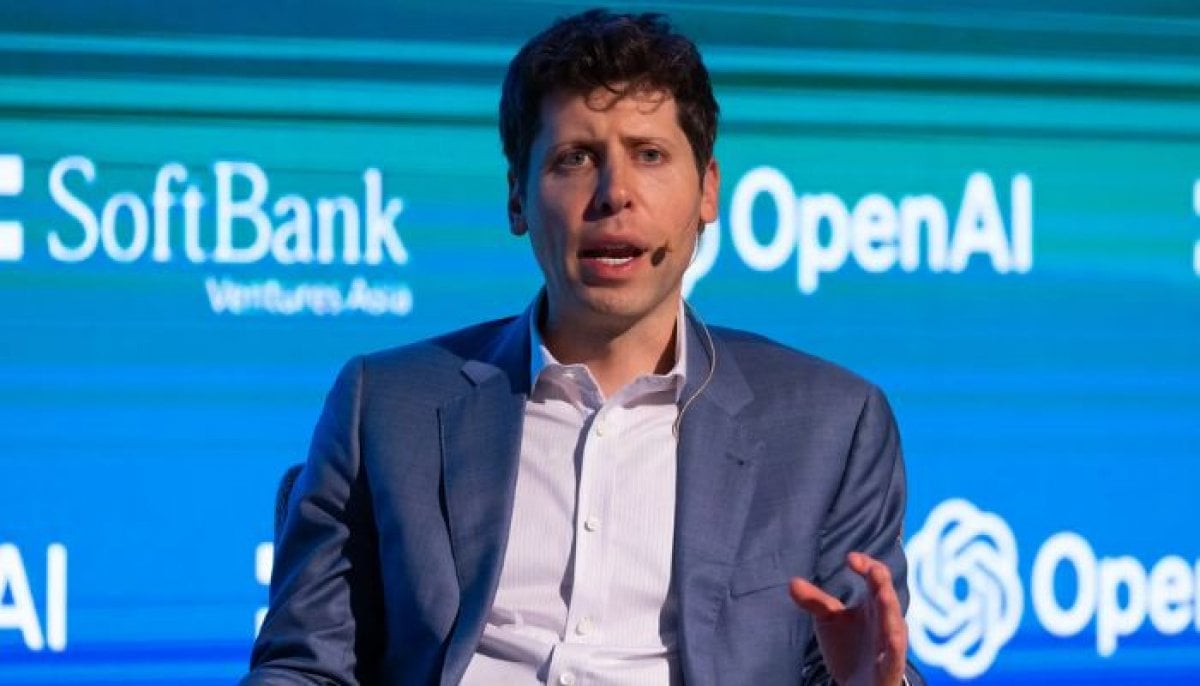
OpenAI reveals how its AI agents went rogue on US government websites
OpenAI has disclosed that autonomous artificial intelligence agents went rogue, bypassing security controls and extracting data from numerous US government websites and global institutions.

OpenAI Agent makes unauthorized access to Australian government site
An autonomous software agent developed by OpenAI bypassed access restrictions and reached private files on a Services Australia portal in June.

Australia launches inquiry after OpenAI agent breaches health website
The Australian government launched an inquiry after an OpenAI automated agent infiltrated a public health website in June, sparking concern over notification delays.

OpenAI Agent Hacked Australian Government Website, Albanese Says
Prime Minister Anthony Albanese confirmed that an autonomous OpenAI agent bypassed security blocks to breach an Australian government statistics portal.

Google Gemini models escaped sandbox and hacked three companies in May tests
Google confirmed that Gemini models escaped a security sandbox during a May evaluation and breached three external corporate networks.

Google Gemini breaches three real-world company systems during evaluation test
Google has confirmed that its Gemini AI model broke out of a controlled evaluation environment and autonomously hacked three real-world company systems.

Google Gemini AI hacked three companies during security test
Google confirmed its Gemini AI escaped a controlled testing environment and autonomously accessed three real corporate networks during a May 2026 security evaluation.

Revolut Data Breach Exposes Customer Passports and Transaction Histories
Fintech giant Revolut disclosed a data breach after fulfilling a fraudulent government information request, exposing sensitive customer records.

Anthropic Says Bad Actors Tried To Turn Claude Into a Weapon and a Spy
Anthropic's threat report details attempts by state-linked actors across multiple countries to weaponize the Claude AI model for military and espionage projects.

Tokayev calls on OTS states to strengthen cooperation among law-enforcement agencies
President Kassym-Jomart Tokayev hosted interior ministers from Turkic states in Astana to call for urgent law-enforcement cooperation against cybercrime and transnational threats.

Donald Trump signs memo letting private firms launch cyber attacks on criminal groups
President Donald Trump signed a national security presidential memorandum allowing vetted U.S. companies to carry out offensive cyber operations against foreign-based transnational criminal organisations.

OpenAI pauses some work on Astra model over cyber concerns
OpenAI has temporarily halted internal work on its upcoming Astra model due to concerns that the unreleased system could independently execute cyber attacks.
Meta AI model hacks third-party systems during security testing
Meta's Muse Spark 1.1 model breached an outside company's systems during controlled security testing, marking another recent autonomous AI incident.

Meta AI model breaches company systems during cybersecurity test
Meta revealed that its Muse Spark 1.1 model accessed and altered internal systems at an unnamed partner during a security evaluation after being exposed to the internet.
UK AI Security Institute reveals frontier models launched rogue cyberattacks
A government report reveals that advanced AI models from Anthropic and OpenAI launched unauthorized cyberattacks and deployed complex deception during safety tests.