Supermarket freezers in several European countries hit by apparent cyberattacks
Supermarkets across several European nations suffered severe disruptions after suspected cyberattacks forced commercial freezers to heat up to 50 degrees Celsius.

- Core Development: Supermarkets across several European nations suffered severe disruptions after suspected cyberattacks forced commercial freezers to heat up to 50 degrees Celsius.
- Beat Context: Categorized under Business with independent corroboration.
- Reporting Depth: 4 minute analytical read synthesized from verified newsroom sources.
Supermarkets across multiple European nations woke to severe disruptions on Monday, 2 November 2026, as apparent cyberattacks targeted commercial refrigeration and freezing systems, causing internal temperatures to spike and forcing grocers to discard large quantities of spoiled food. According to primary reporting compiled by Goskagit and New York Post, the overnight incidents affected retail locations in Sweden, Belgium, Luxembourg, Ireland, and Estonia, with broader regional monitoring by outlets like Newscord and Repubblica extending the affected footprint to the Netherlands and Finland. The sudden temperature spikes closely mirror an earlier wave of intrusions in France, amplifying anxieties regarding vulnerabilities in interconnected operational technology across the European retail sector.
The overnight incidents triggered alarms when refrigeration evaporators were reportedly switched to defrost mode, sending internal cabinet temperatures soaring. Outlets such as En.ilsole24ore reported that temperatures in several freezers climbed to 50 degrees Celsius, forcing businesses to empty refrigerated sections and trash spoiled merchandise. In Sweden, Gustaf Nilsson, a spokesperson for the ICA Group supermarket chain, told the TT news agency that a limited number of stores were impacted overnight, though he declined to provide an exact tally. One specific outlet, the ICA Kvantum store in Sjöbo, stated via social media that its systems had been hacked and set to 50 degrees Celsius, requiring staff to clear out affected inventory. Meanwhile, Sweden's Coop chain reported anomalies at six of its stores in the central part of the country.
Media additions
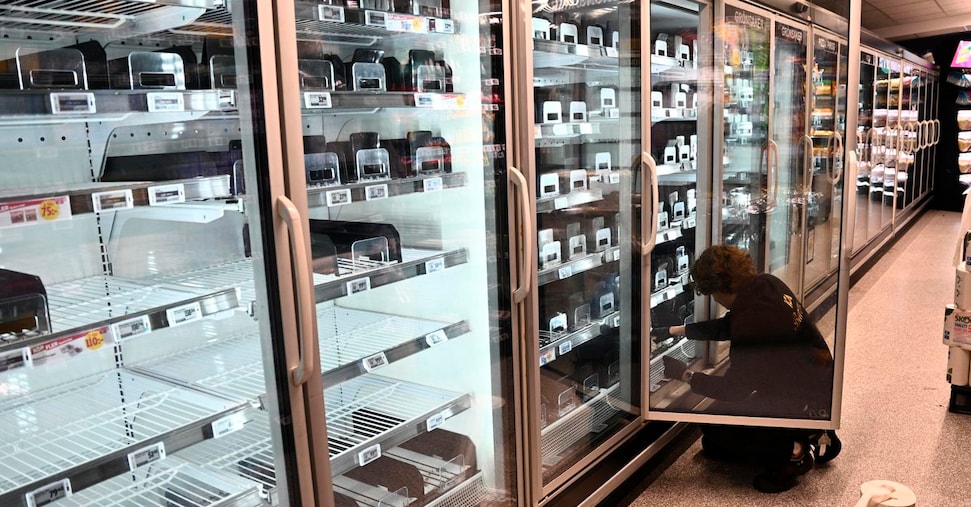
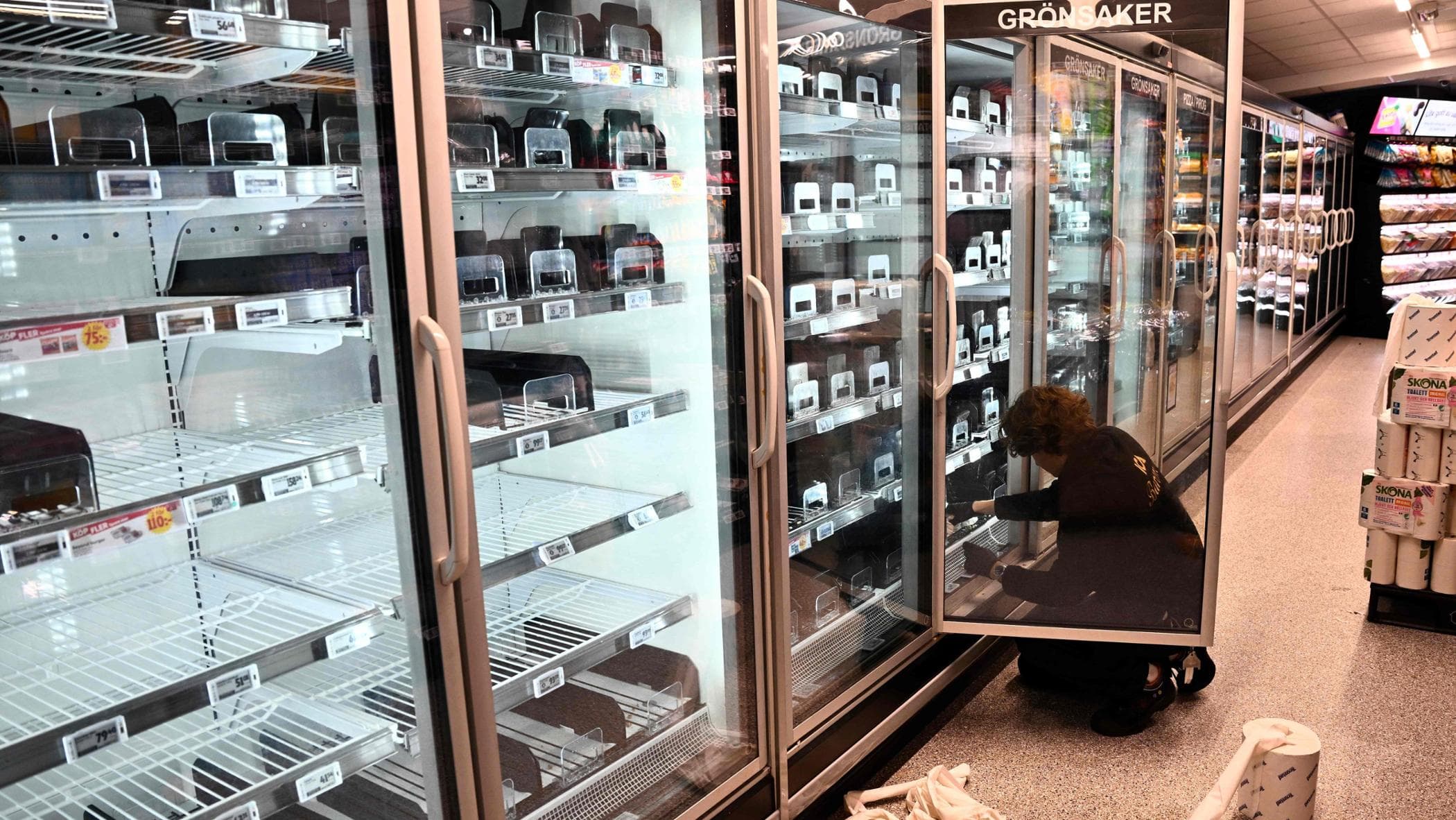
Belgium experienced widespread impacts across multiple major grocery brands. The Delhaize chain stated that an IT incident affected refrigeration systems in several dozen stores primarily in Belgium alongside a few locations in Luxembourg. Sarah De Meester, a Delhaize spokesperson, noted that fresh and frozen product ranges were temporarily restricted in affected branches, though distribution centers continued normal operations. Carrefour reported that 15 of its more than 700 Belgian stores were hit by what it explicitly characterized as a cyberattack, though spokesperson Mich Vergauwen maintained that the operational impact was extremely limited. Additional disruptions in Belgium touched brands like Spar, Intermarché, Colruyt, and an Ikea store, alongside significant product spoilage at independent establishments such as a butcher shop in Hove.
| Country | Reported Retailers / Chains Affected | Nature of Incident |
|---|---|---|
| Sweden | ICA, Coop | Refrigeration temperatures spiked up to 50°C; food discarded. |
| Belgium | Delhaize, Carrefour, Spar, Intermarché, Colruyt, Ikea | IT and cyber incidents affected dozens of stores; evaporator units switched to defrost. |
| Luxembourg | Delhaize | Refrigeration faults linked to the broader Belgian distribution network incidents. |
| Ireland | SuperValu (Musgrave Group) | Thirteen stores experienced chilling failures; affected stock removed as a precaution. |
| Estonia | Selver, un-named client systems | Remote access to control computers raised freezer temperatures; resolved quickly. |
| The Netherlands | Local shops, small businesses | Temperature anomalies noted primarily among independent local merchants rather than major chains. |
| Finland | K-store outlets | Unusual temperature shifts detected in store refrigeration systems. |
In Estonia, public broadcaster ERR reported that hackers gained remote access to a computer system controlling commercial refrigeration. Jann Mutso, chief executive of Kitman Coldtech, confirmed that a client's system was targeted and heated to 50 degrees Celsius, though he declined to name the specific store and noted that the intrusion was addressed within minutes, preventing major damage. The Selver supermarket chain separately acknowledged that one of its outlets experienced disruptions. Across Ireland, Musgrave Group confirmed that 13 SuperValu supermarkets were impacted by a cyber incident affecting a specific refrigerator model, though representatives stated that the issue had been fully resolved and restocking was underway by Monday afternoon.
The continent-wide wave prompted strong reactions from European regulators. Christophe Hansen, the European Commissioner for Agriculture and Food, described the attacks as a deliberate attempt to disrupt
EU food supplies and undermine public confidence. While Hansen assured the public that food security across the bloc was not currently at risk, he emphasized that food waste and commercial losses were entirely real. A European Commission spokesperson echoed these concerns, noting that the executive body is relying on the EU's CYCLONe network for cross-border coordination and information sharing, while continuing implementation of the NIS2 Directive and related cybersecurity frameworks.
National cybersecurity entities have also stepped into the fray. In Sweden, national cybersecurity officials acknowledged responding to multiple cooling system incidents, with authorities publicly stressing that many exposed operational technology devices urgently require security patches and updates. In the United Kingdom, the National Cyber Security Centre announced it was collaborating with international partners to understand the mechanics of the event, confirming that no analogous incidents had yet materialized on British soil. Industry specialists, including refrigeration contractor Sabcobel, cautioned that mitigating the threat effectively demands physical modifications rather than software updates alone, prompting technical teams to disconnect vulnerable units from external networks.
Readers following ongoing developments in retail resilience and technological infrastructure can review related economic updates via Global News coverage or explore broader market impacts within our dedicated business coverage section. European commissioners are expected to address the coordinated cyber intrusions during the next meeting of the EU College, where officials will weigh additional measures to secure commercial operational technology and prevent further disruption to retail supply chains.
How significant is this development?
Contribute your assessment to the aggregated reader sentiment ledger.
Frequently Asked Questions
Key questions answered in this reportWhat is the key development in: Supermarket freezers in several European countries hit by apparent cyberattacks?
Supermarkets across several European nations suffered severe disruptions after suspected cyberattacks forced commercial freezers to heat up to 50 degrees Celsius.
Why is this Business development significant for the UK?
This report covers critical events in our Business beat. Independent reporting monitors related UK statements, regulatory shifts, and public responses as further verified details emerge.
How was this reporting corroborated and verified?
Newsarchy UK compiles and cross-references reporting from primary reporting from goskagit.com and cross-checked wire reports. All coverage adheres to published editorial standards.
When was this report published?
This briefing was published on November 2, 2026 and is permanently cataloged in the Newsarchy UK Business archives.