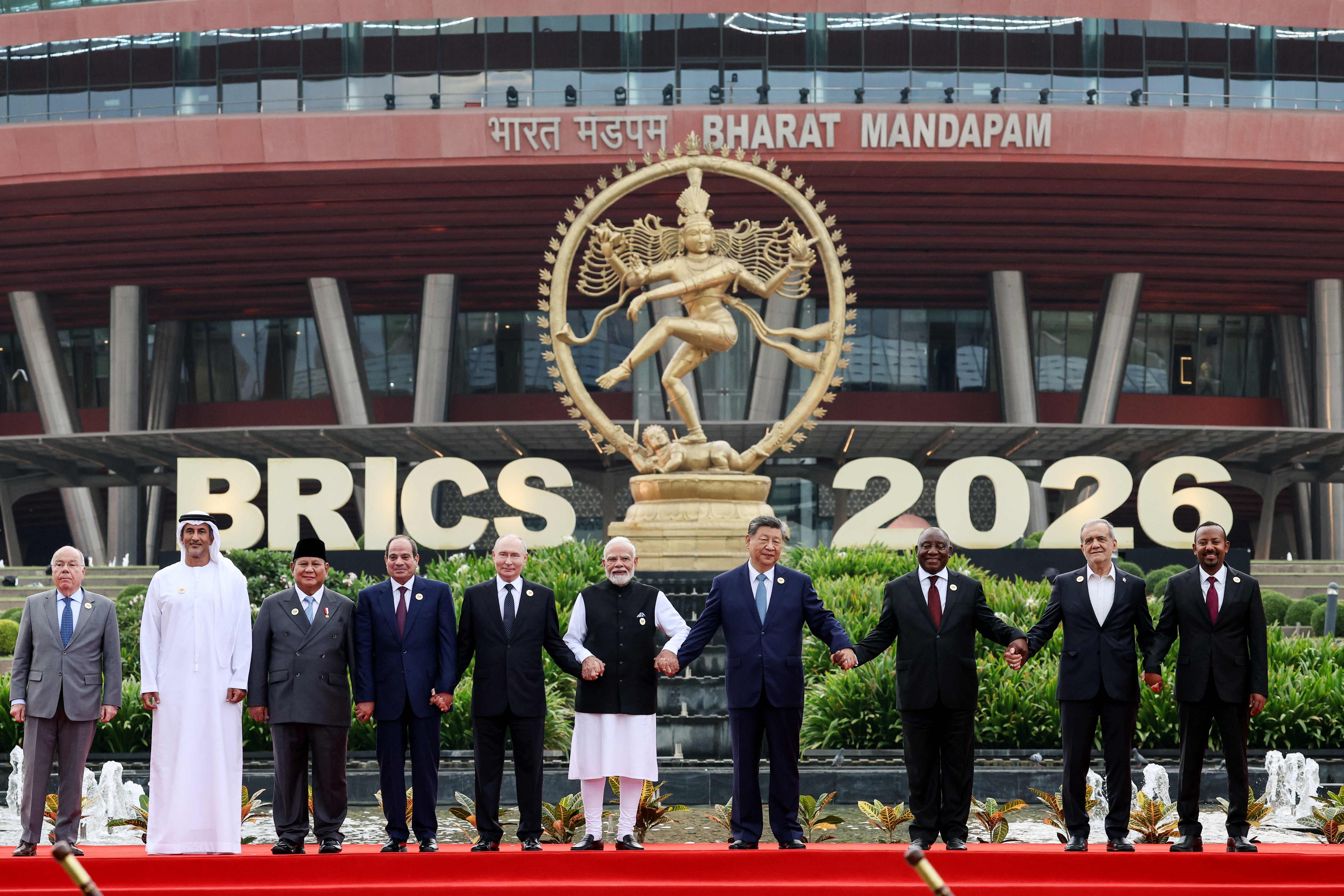
Europe lacks coordination as Russia prepares for war with NATO
Security analysts warn that European divisions and rising Russian border provocations leave the continent dangerously uncoordinated ahead of potential conflict.

Europe is facing unprecedented security vulnerabilities as Russian military forces step up hybrid warfare and border incursions, leaving the continent dangerously uncoordinated as experts warn Moscow is actively preparing for an all-out confrontation with the alliance.
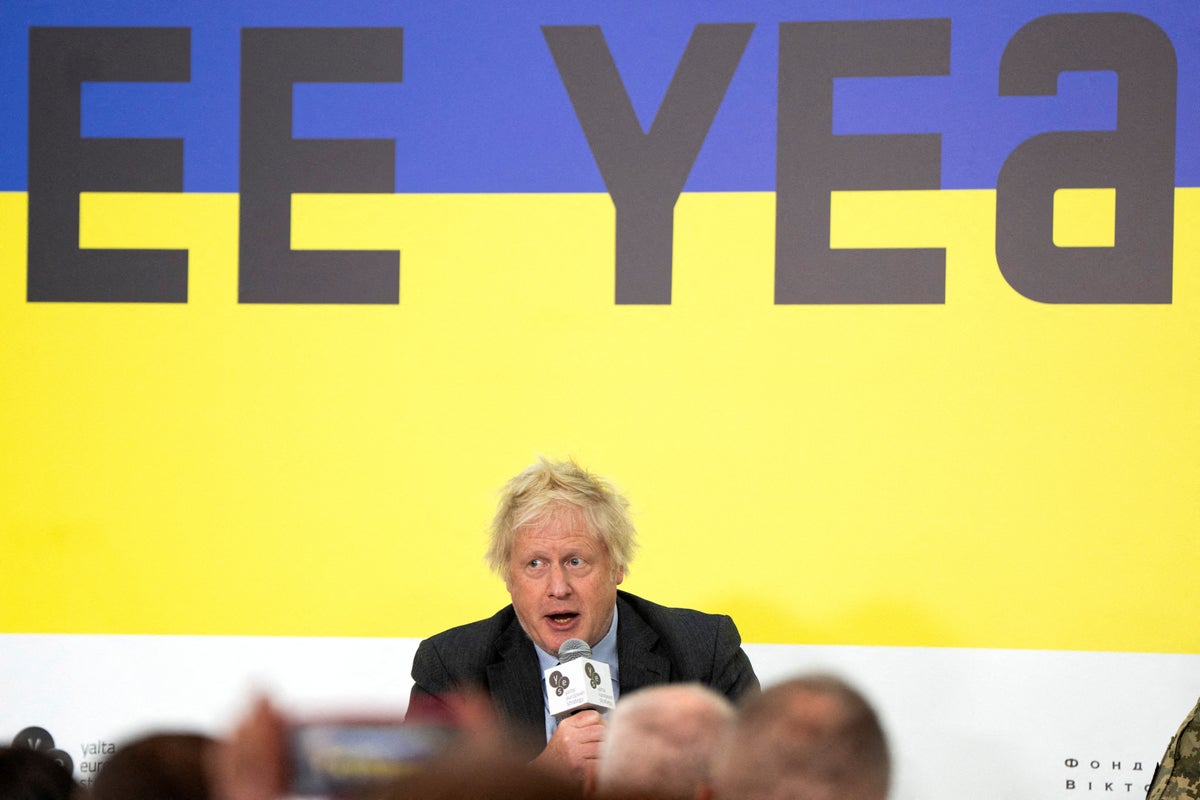
According to Al Jazeera reporting, security analysts caution that Western European populations remain insufficiently awake to mounting threats. Front-line states including Finland, Poland, and the Baltics have raised urgent alarms, but internal European Union divisions and relentless disinformation campaigns continue to fracture a unified response. The recent EU summit highlighted deep rifts, as member states blocked proposals to utilize Russian financial assets to turbocharge domestic defense industries, while discussions omitted any mention of Russia's suspected espionage shadow fleet.
Media additions
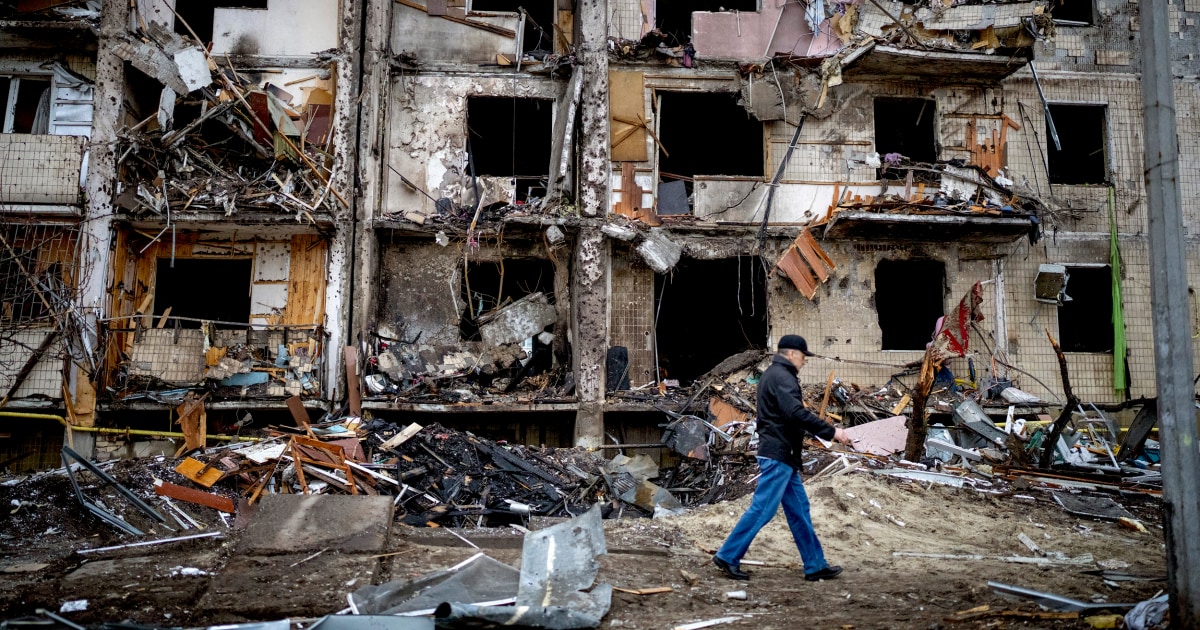
This operational friction coincides with a tangible escalation in physical provocations. On September 10, two dozen Russian Geran-2 drones strayed into NATO airspace, testing Polish air defenses in an overt departure from previous years. Just nine days later, three Russian MiG-31 fighter jets entered Estonian airspace over the Gulf of Finland, prompting Italian F-35s stationed locally to scramble. Subsequent interceptions by German Eurofighters, Hungarian Gripens, and Dutch and Polish aircraft underscore a deteriorating security perimeter.
Intelligence officials point to a systematic testing phase known variously as a "period of emergency," "phase zero," or preparations for a special period preceding all-out war. Martin Jager, head of Germany’s Federal Intelligence Service, warned lawmakers that Europe faces a new quality of confrontation, urging authorities not to assume potential Russian aggression will wait until the end of the decade. Meanwhile, hybrid operations have intensified across maritime transit routes, where sanctions-busting oil tankers are suspected of launching drone swarms that have repeatedly forced the closure of regional airports in Denmark and triggered transport disruptions.
| Incident Type | Location / Region | Reported Impact / Response |
|---|---|---|
| Airspace Incursion | Estonian Airspace (Gulf of Finland) | Three MiG-31 jets entered airspace for 12 minutes; Italian F-35s scrambled to intercept. |
| Reconnaissance Intercept | Baltic Sea Airspace | German Eurofighters scrambled to intercept an unannounced Ilyushin 20-M aircraft. |
| Airport Disruptions | Copenhagen and Western Denmark | Drone swarms forced temporary closures at regional airports and infrastructure sites. |
The geopolitical strain is further compounded by economic friction over energy supplies and transport blockades. Western leaders continue to debate tightening sanctions against Moscow's military-industrial complex, even as international trade routes, aviation corridors, and critical transport infrastructure remain exposed to asymmetric disruptions. Observers emphasize that closing these widening security gaps will require unified policy enforcement rather than isolated national measures.
Intelligence cooperation across the Atlantic has also encountered friction. European intelligence agencies have historically relied on the United States for critical satellite surveillance and signals intelligence. Yet according to reports, that cooperation has begun to fray amid political dysfunction in Washington. Dutch intelligence agencies and other European partners have reportedly begun limiting the information they share with American services over concerns of political exposure.
Physical security on the continent has simultaneously been tested by infrastructural sabotage. The Kremlin's shadow fleet of aging tankers continues to operate in Baltic waters with minimal oversight, carrying illicit oil cargoes while suspected of housing surveillance equipment and drone-launch platforms. While Nordic and Baltic officials argue that comprehensive maritime inspections and port bans could severely disrupt Russian logistical networks, regional capitals have struggled to implement a cohesive enforcement strategy.
Diplomatic channels face acute strain as well.
As diplomatic maneuverings continue, preparations for high-level talks have gained tentative momentum. Observers remain watchful for whether upcoming international summits will bridge the gap between front-line urgency and Western European hesitation as the security perimeter around the alliance continues to be tested.