Tokyo historic building Hyakudan Kaidan reopens after yearlong closure
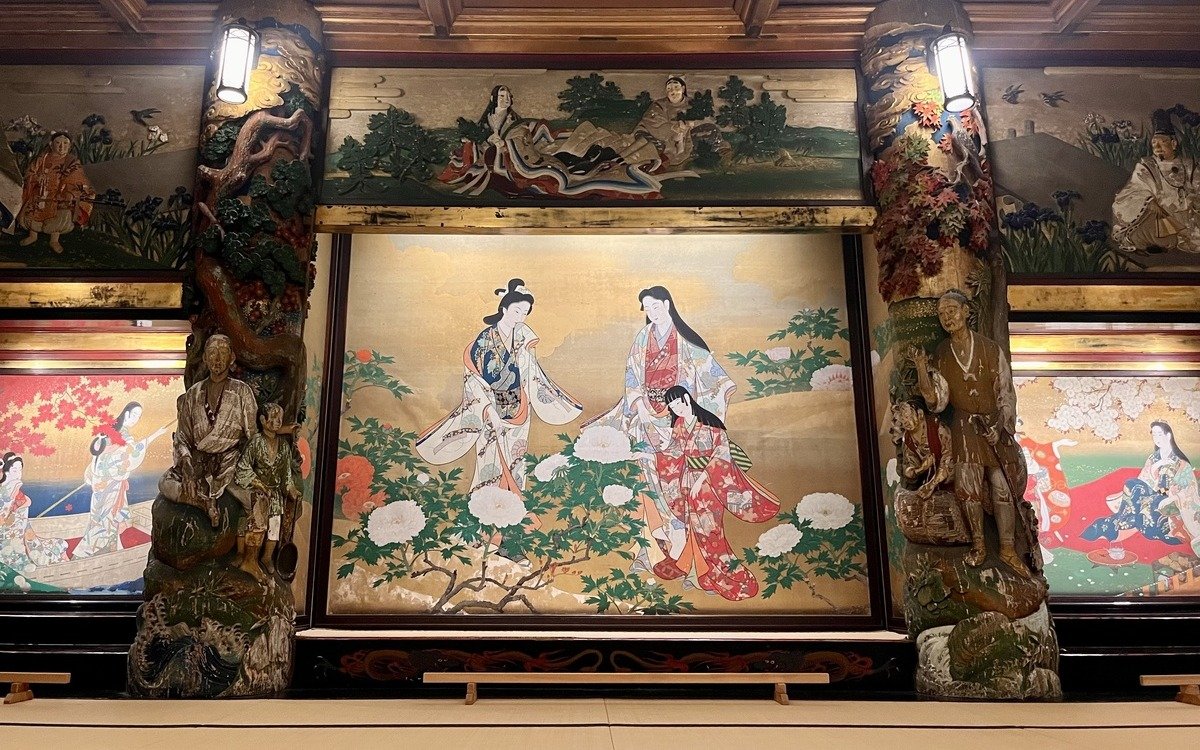
Tokyo's historic Hyakudan Kaidan building has officially reopened to the public following a yearlong closure, offering an unobstructed look at its 1930s architecture.
Tokyo historic building Hyakudan Kaidan reopens after yearlong closure
EXECUTIVE BRIEFKey Takeaways & Signal
Core Development: Tokyo's historic Hyakudan Kaidan building has officially reopened to the public following a yearlong closure, offering an unobstructed look at its 1930s architecture.
Beat Context: Categorized under Transport with independent corroboration.
Tokyo's historic Hyakudan Kaidan building has officially welcomed the public back through its doors following a significant yearlong closure, offering visitors an uninterrupted look at its ornate mid-century craftsmanship. Detailed in reports by Qazinform and Nationthailand, the reopening shifts the primary focus away from heavy exhibition displays and places it directly onto the structure's intricate 1930s architecture. This rare architectural preservation project stands out within a rapidly modernizing capital city, bridging the early Showa period with contemporary urban life.
The landmark is designated as a Tokyo metropolitan government tangible cultural property. According to Qazinform, which cited Jiji Press, the current special viewing event will run for an extended period, giving enthusiasts ample opportunity to study the interiors without the visual obstructions caused by past exhibitions that partially blocked ceiling paintings and pillars. Representatives for the site explained the rationale behind the minimalist setup.
"We aim to have visitors experience the architecture firsthand and directly feel its charm"
Media additions
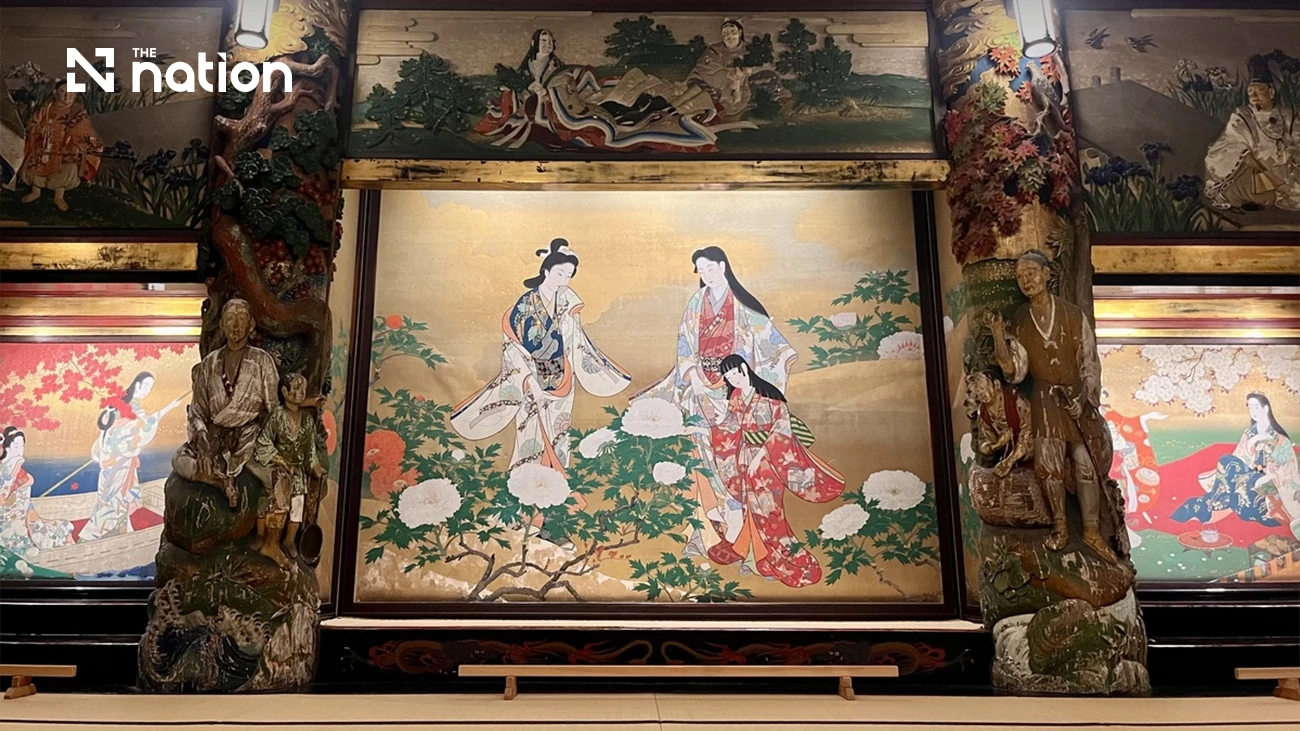
Image via nationthailand.com
Public relations office, Hyakudan Kaidan, via Qazinform and Nationthailand
This deliberate reduction in visual clutter allows the underlying artistic elements to take center stage.
Originally completed in 1935, the building once operated as a ryotei, which is a traditional Japanese restaurant, within the former Meguro Gajoen complex. The wider venue was historically celebrated for hosting lavish banquets and wedding receptions. While the vast majority of the original complex fell victim to urban redevelopment projects and was demolished in the late 1980s, specifically in 1988, Hyakudan Kaidan miraculously escaped destruction and was preserved almost entirely in its original state.
The interior layout consists of seven traditional Japanese-style rooms linked together by a wooden staircase featuring 99 steps. Throughout these interconnected chambers, visitors can spot approximately 100 distinct motifs tied to the concept of good fortune. These symbols appear intricately painted and carved across ceilings, walls, and alcove pillars. Among the recurring ornaments are numerous sensu folding fan designs. These motifs embody suehirogari, a cultural concept denoting widening toward the end like an open fan, which symbolizes growing prosperity, ongoing good fortune, and future success.
Situated inside the first room, known as Jippo, sits a remarkable artifact: a rotating table widely believed to be the oldest surviving piece of its kind in Japan. Restored from a pre-World War II object, the table boasts elaborate mother-of-pearl decoration. This traditional craft technique involves cutting out shimmering, silvery-white sections of sea shells and fitting them meticulously into lacquerware and other surfaces.
Milestone / Feature
Detail
Reopening Date
October 1, 2026
Closure Duration
One year
Exhibition End Date
March 30, 2027
Original Completion Year
1935
Redemolition / Preservation Year
1988
Staircase Step Count
99 steps
Management emphasizes that the survival of the structure carries deep emotional and cultural weight for the local community. The public relations office noted that as the surrounding cityscape continues its relentless transformation, the persistence of the building—remaining nearly unchanged since the early Showa period—allows the area's history and collective memories to stay active within the modern urban landscape. Similar cultural preservation themes frequently intersect with global tourism milestones, recalling how Japan recently claimed the top spot among 110 economies in international travel and tourism development indices reported by Qazinform.
What to Watch Next
Visitors can attend the special unobstructed architectural exhibition through March 30, 2027.
Metropolitan officials and cultural preservationists will monitor visitor turnout and structural wear throughout the extended viewing period.
Future exhibition schedules for the seven traditional rooms remain subject to review after the current viewing concludes.
READER INTELLIGENCE PULSE
How significant is this development?
Contribute your assessment to the aggregated reader sentiment ledger.
Click an option to register your anonymous assessment.
Frequently Asked Questions
Key questions answered in this report
What is the key development in: Tokyo historic building Hyakudan Kaidan reopens after yearlong closure?
Tokyo's historic Hyakudan Kaidan building has officially reopened to the public following a yearlong closure, offering an unobstructed look at its 1930s architecture.
Why is this Transport development significant for the UK?
This report covers critical events in our Transport beat. Independent reporting monitors related UK statements, regulatory shifts, and public responses as further verified details emerge.
How was this reporting corroborated and verified?
Newsarchy UK compiles and cross-references reporting from primary reporting from qazinform.com and cross-checked wire reports. All coverage adheres to published editorial standards.
When was this report published?
This briefing was published on October 9, 2026 and is permanently cataloged in the Newsarchy UK Transport archives.