Kazakhstan targets 100M tons of transit cargo annually by 2035
Kazakhstan has outlined plans to overhaul its transport infrastructure and reach 100 million tons of annual transit cargo by 2035.

- Core Development: Kazakhstan has outlined plans to overhaul its transport infrastructure and reach 100 million tons of annual transit cargo by 2035.
- Beat Context: Categorized under Transport with independent corroboration.
- Reporting Depth: 3 minute analytical read synthesized from verified newsroom sources.
Kazakhstan has outlined ambitious long-term goals to overhaul its logistics networks and position itself as a central global trade hub, targeting annual transit cargo volumes of 100 million tons by 2035. As changing geopolitical conditions, shifting supply chains, and rising energy expenses force nations to rethink traditional trade corridors, Kazakhstan set to increase cargo transit up to 100 mln tons by 2035, according to reporting by Qazinform and Trend News Agency. The strategy relies on massive capital investment into rail, road, and maritime infrastructure designed to remove stubborn logistical bottlenecks and integrate the landlocked country more deeply into Eurasian and international transport frameworks.
The core of this transport transformation is detailed in official updates from the Kazakhstan Prime Minister's office, which notes that the national railway network spans 16,000 kilometers. Officials previously acknowledged that infrastructure wear had reached 57%, threatening both train speed and safety while operating near maximum capacity. To counter this, extensive construction and modernization efforts are underway across key routes including the Dostyk–Mointy section, the Almaty bypass line, Darbaza–Maktaral, Mointy–Kyzylzhar, and Bakhty–Ayagoz. These upgrades are paired with a rolling stock renewal initiative that includes procuring hundreds of new locomotives from domestic manufacturing plants and the Chinese firm CRRC, alongside thousands of new freight wagons managed by private operators and national carriers.
Media additions
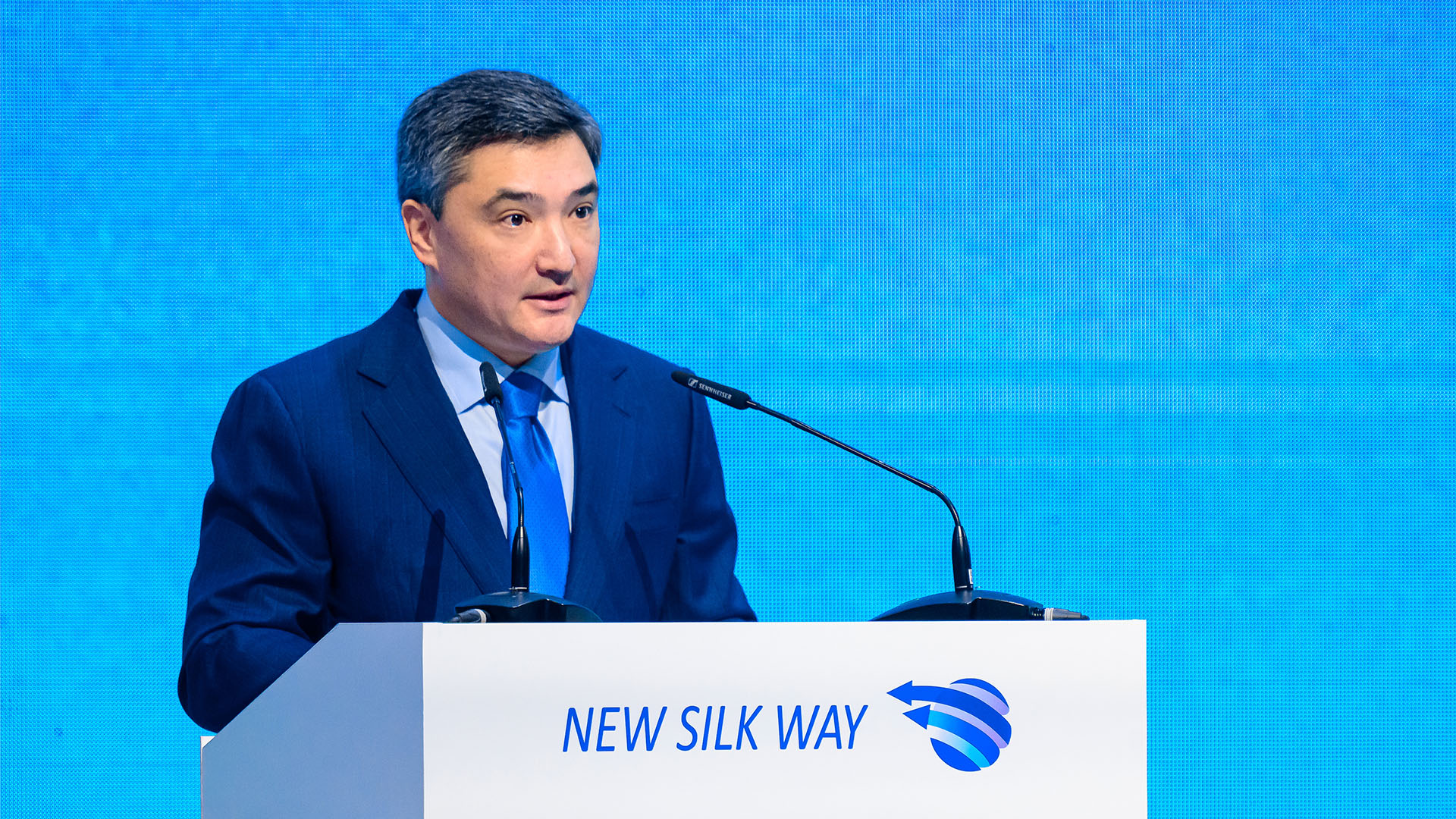


Speaking at the eighth New Silk Way Business Forum held in Astana during Kazakhstan Transport Week, Prime Minister Olzhas Bektenov emphasized that developing the country's transport potential remains a primary strategic objective for President Kassym-Jomart Tokayev. According to government figures cited by Trend News Agency, the country built and repaired 36,300 kilometers of roads over a seven-year period, alongside constructing and modernizing 5,000 kilometers of railways over the past five years. International validation has accompanied these physical upgrades, with national aviation safety standards reaching 95.7%.
The geographical scope of Kazakhstan's transit ambitions stretches across multiple trade arteries, encompassing the East-West, North-South, and Trans-Caspian International Transport Route (TITR) corridors, as well as prospective linkages through the Trans-Afghan corridor. According to reporting compiled by The Astana Times, these infrastructure enhancements are unfolding alongside broader diplomatic and economic engagements with Southeast Asia, highlighted by high-level talks with landlocked nations such as Laos as they seek greater integration into Eurasian rail networks like OSJD Railway Corridor 2.
| Metric / Phase | Reported Figure / Target | Timeframe |
|---|---|---|
| Roads built or repaired | 36,300 kilometers | Past 7 years |
| Railways built or modernized | 5,000 kilometers | Past 5 years |
| Transit cargo volume | 39.1 million tons (18% increase) | 2025 |
| Aviation safety level | 95.7% | Current |
| Aktau and Kuryk container-handling capacity | 300,000 TEUs | By 2029 |
| Target annual transit cargo volume | 100 million tons | By 2035 |
Streamlining bureaucratic processes is viewed as equally vital to physical construction. Prime Minister Bektenov stressed the importance of eliminating administrative barriers, removing infrastructure bottlenecks, and introducing digital "green corridors" and "single window" systems. Ministry of Transport officials noted that on the TITR corridor, delivery times have dropped significantly from 53 days down to 17 days, while transit processing times at terminals have fallen from eight hours to 30 minutes through digital tracking integration.
To support this growing volume of goods, Kazakhstan is expanding its network of domestic and international logistics terminals. Seven hubs are already active in locations including Lianyungang, Xi’an, Dostyk, Khorgos, Kuryk, Aktau, and Almaty, with additional facilities planned for Selyatino, Svisloch, and other strategic points. Meanwhile, container-handling capacity at the Caspian Sea ports of Aktau and Kuryk is scheduled to scale up substantially to meet future maritime demand.
As the government presses forward with its comprehensive transport framework, further developments will depend on the finalization of intergovernmental transit agreements, the timely commissioning of regional railway lines, and the ongoing execution of joint investment projects across the network. Readers can expect further updates as construction milestones approach and international transport forums convene to review progress toward the 2035 targets.
How significant is this development?
Contribute your assessment to the aggregated reader sentiment ledger.
Frequently Asked Questions
Key questions answered in this reportWhat is the key development in: Kazakhstan targets 100M tons of transit cargo annually by 2035?
Kazakhstan has outlined plans to overhaul its transport infrastructure and reach 100 million tons of annual transit cargo by 2035.
Why is this Transport development significant for the UK?
This report covers critical events in our Transport beat. Independent reporting monitors related UK statements, regulatory shifts, and public responses as further verified details emerge.
How was this reporting corroborated and verified?
Newsarchy UK compiles and cross-references reporting from primary reporting from The Astana Times and cross-checked wire reports. All coverage adheres to published editorial standards.
When was this report published?
This briefing was published on October 15, 2026 and is permanently cataloged in the Newsarchy UK Transport archives.