Medvedev threatens strikes on German defence plants after sabotage claim
Medvedev threatens strikes on German defence plants after sabotage claim
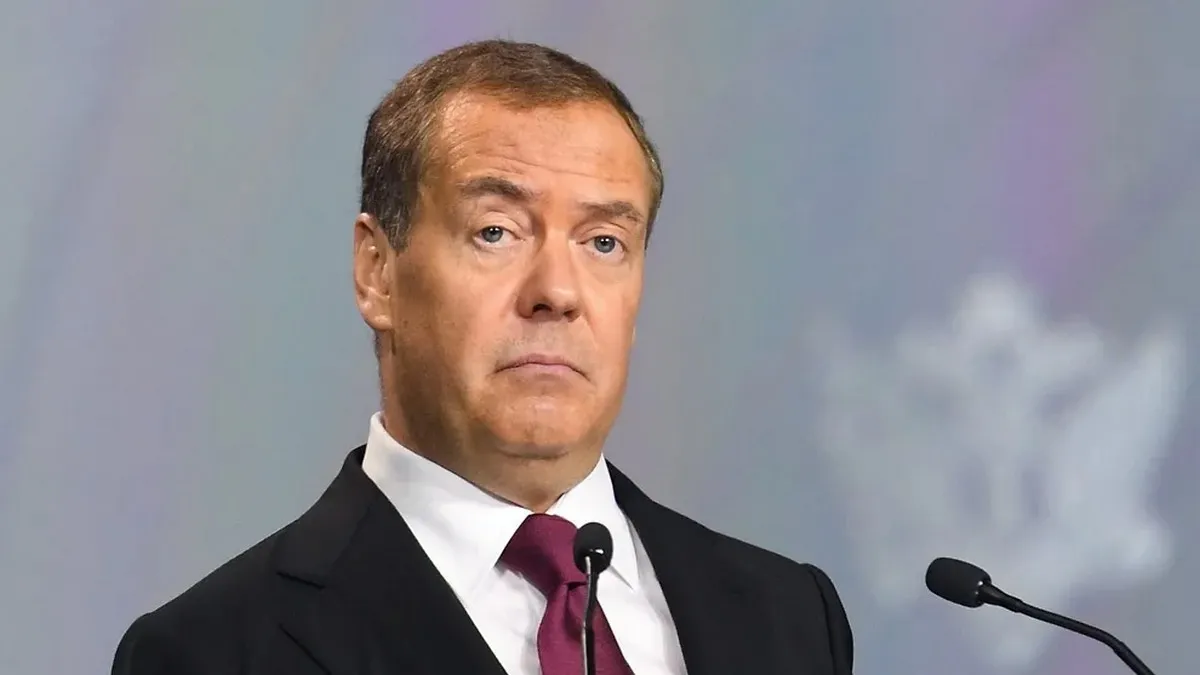
- Core Development: Medvedev threatens strikes on German defence plants after sabotage claim
- Beat Context: Categorized under Transport with independent corroboration.
- Reporting Depth: 5 minute analytical read synthesized from verified newsroom sources.
Germany’s decision to expel Russian diplomatic staff and shutter the “Russian House” in Berlin has been sharpened by a fresh threat from Russia’s security council deputy chairman, Dmitry Medvedev. After Berlin publicly blamed Moscow for an attempted drone‑laden sabotage at Leipzig/Halle Airport on 4 August, Medvedev warned on Telegram that German defence factories – and possibly other sites in the capital – could be hit in retaliation. The escalation comes as Berlin tightens border checks, raises its alert level for critical infrastructure, and prepares to deliver additional air‑defence missiles to Ukraine.
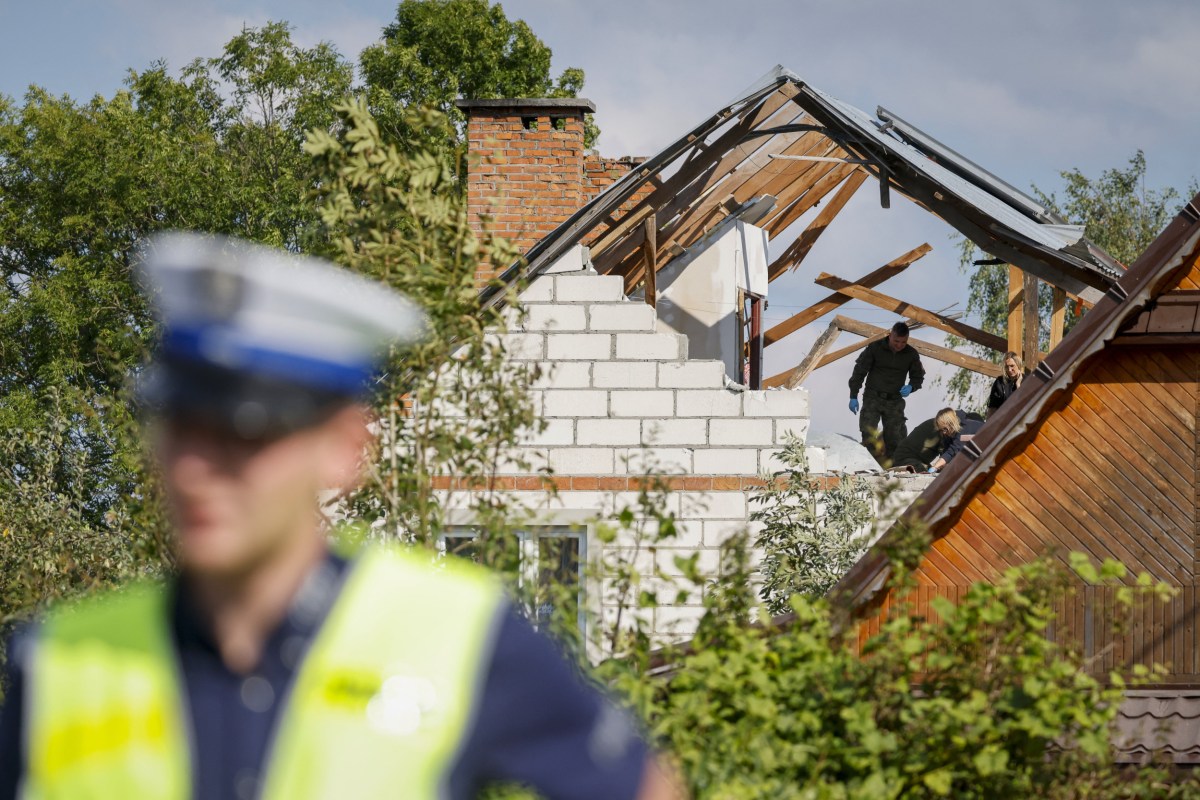
The Leipzig incident involved an employee spotting a drone near a Ukrainian Antonov cargo aircraft. Investigators later recovered a second drone and about 50 grams of explosives. While the device’s detonator failed to explode, the episode was classified by the German Federal Public Prosecutor’s Office as a serious attack on transport and logistics infrastructure. Berlin’s Foreign Minister Johann Wadephul announced that Russia was responsible, a charge Moscow denied.
Media additions

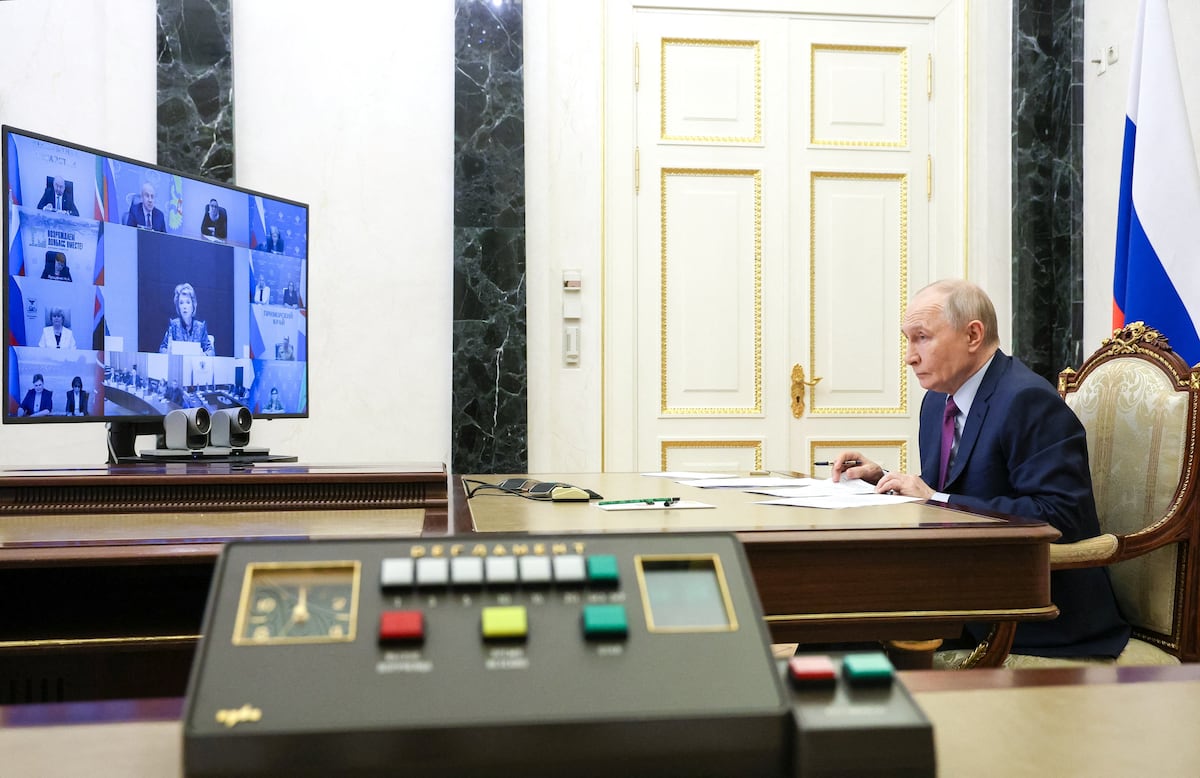
In response, Medvedev posted on Telegram:
"This deserves a direct strike on all German military production facilities supplying the Bandera clique. And quite possibly on a few other spots in Berlin too."
Dmitry Medvedev, deputy chairman of Russia’s Security Council, via Telegram
He added that the German accusations were “fabricated” and called the German government “neo‑Nazi and rabidly Russophobic.” The language mirrors earlier statements in which he described the drone episode as an act of “state terrorism” by Ukraine’s “Bandera regime.”Around Prague
German officials framed the threat as part of a broader pattern of “hybrid” attacks. In the days following the Leipzig incident, two separate explosions were discovered at electricity substations – one near the Jänschwalde coal plant in Brandenburg and another at Bergheim in North‑Rhine Westphalia. While neither caused widespread outages, they prompted interior ministers in both states to warn of “strategic attacks on our daily lives.”London Business News
Berlin’s reaction has been swift and multi‑pronged:
- Closure of the Russian Consulate‑General in Bonn, with staff required to leave by 18 September.news.az
- Termination of the lease for the “Russian House” cultural centre in Berlin, with staff ordered out within seven days.news.az
- Heightened checks on Russian nationals entering the country.ukrmedia
- Commitments to boost Ukraine’s air‑defence capability, including delivery of Iris‑T missiles and “several thousand strike drones” as early as September.news.az
Timeline of key events
| Date | Event |
|---|---|
| 4 August 2026 | Drone with explosives discovered near Leipzig/Halle Airport; a second drone and 50 g of explosives recovered. |
| 5 August 2026 | German prosecutors label the incident a serious sabotage attack; Berlin publicly attributes it to Russia. |
| 6 August 2026 | Medvedev posts threat to strike German defence facilities on Telegram. |
| 7 August 2026 | Explosives found at Jänschwalde substation (Brandenburg) and short‑circuit at Bergheim substation (NRW). Authorities launch investigations. |
| 8 August 2026 | Germany announces closure of Russian Consulate‑General in Bonn and termination of the Russian House lease. |
| 14 August 2026 | German interior ministers warn that attacks on electricity infrastructure could be part of a broader hybrid threat. |
| 18 September 2026 | Deadline for Russian diplomatic staff to vacate the Bonn consulate. |
These developments sit against a backdrop of heightened NATO‑Russia tension. Earlier this month NATO launched “Eastern Sentry,” deploying additional fighter aircraft and naval assets to its eastern flank after Russian drones entered Polish airspace.Newsweek Medvedev has repeatedly warned that any NATO‑backed no‑fly zone over Ukraine would amount to “a NATO war with Russia.”
German officials stress that the Leipzig sabotage does not yet prove a systematic Russian campaign. Prosecutors have not named suspects, and investigators are still weighing whether foreign states, left‑wing extremists, or lone actors are responsible. Yet Berlin’s interior minister for North‑Rhine Westphalia, Herbert Reul, warned that “a substation is the nerve centre of our daily lives” and that any attack on such nodes threatens the entire economy.London Business News
Russia’s broader narrative frames the incident as “state terrorism” by Ukraine and its Western supporters. Medvedev repeatedly invoked President Volodymyr Zelensky’s warnings about drones in Russian airspace, portraying them as part of an “anti‑Russian regime’s” campaign.Around Prague The Kremlin’s foreign minister Sergei Lavrov has called Germany “once again leading the movement in support of Nazism in Europe,” suggesting that Berlin’s aid to Kyiv makes it a legitimate target.El País
What to watch next
- Whether German intelligence links the Brandenburg and North Rhine‑Westphalia power‑grid incidents to the Leipzig sabotage or to a broader Russian‑backed campaign.
- Implementation of NATO’s “Eastern Sentry” deployments, especially the arrival of German Eurofighters and French Rafales to reinforce eastern Europe.
- Any further statements from Medvedev or other Kremlin officials that could signal a move from rhetoric to kinetic action.
- The status of the Russian House vacate deadline on 18 September and any reciprocal diplomatic moves by Moscow.
- Potential escalation over the “Bandera clique” narrative as Ukraine pushes for deeper cooperation with Western partners on long‑range weapons, a topic that has already drawn strong warnings from both Putin and Lavrov.
For transport professionals, the case raises immediate questions about the security of air‑ and rail‑cargo routes that ferry Ukrainian military equipment through Germany, and about the resilience of the German energy grid that underpins both civilian logistics and defence production. The next weeks will reveal whether Medvedev’s warning remains a campaign of words or translates into concrete strikes on the factories that supply Kyiv’s war effort.
How significant is this development?
Contribute your assessment to the aggregated reader sentiment ledger.
Frequently Asked Questions
Key questions answered in this reportWhat is the key development in: Medvedev threatens strikes on German defence plants after sabotage claim?
Medvedev threatens strikes on German defence plants after sabotage claim
Why is this Transport development significant for the UK?
This report covers critical events in our Transport beat. Independent reporting monitors related UK statements, regulatory shifts, and public responses as further verified details emerge.
How was this reporting corroborated and verified?
Newsarchy UK compiles and cross-references reporting from primary reporting from english.elpais.com and cross-checked wire reports. All coverage adheres to published editorial standards.
When was this report published?
This briefing was published on September 3, 2026 and is permanently cataloged in the Newsarchy UK Transport archives.