Trump Urges Ukraine to Make Deal as Zelensky Meets US Envoy in Oslo
As President Trump urges a negotiated end to the war, President Zelenskyy meets U.S. Envoy Steve Witkoff in Oslo amid ongoing tensions over military aid and intelligence sharing.

- Core Development: As President Trump urges a negotiated end to the war, President Zelenskyy meets U.S. Envoy Steve Witkoff in Oslo amid ongoing tensions over military aid and intelligence sharing.
- Beat Context: Categorized under Transport with independent corroboration.
- Reporting Depth: 4 minute analytical read synthesized from verified newsroom sources.
In a rare public exchange between Washington and Kyiv, President Donald Trump told reporters at the White House that Ukraine must want to make a deal to end the war, while President Volodymyr Zelenskyy confirmed that U.S. Intelligence sharing had been restored after a brief pause.
Yet the meeting also exposed deep fissures: Zelenskyy accused the United States of restricting the military‑grade Starlink service, Starshield, and of delaying Patriot interceptor missiles, while Trump and his aides deny any intentional interference.
Media additions
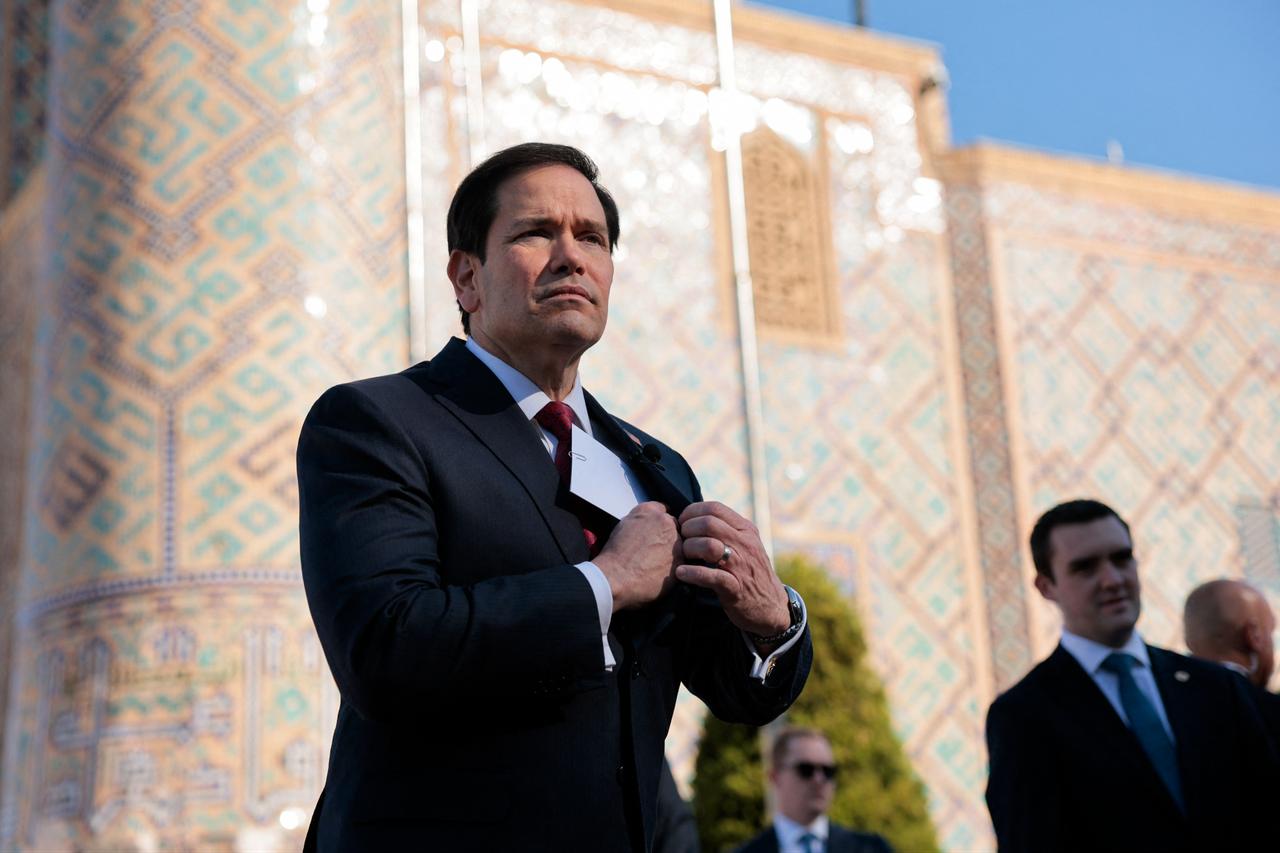
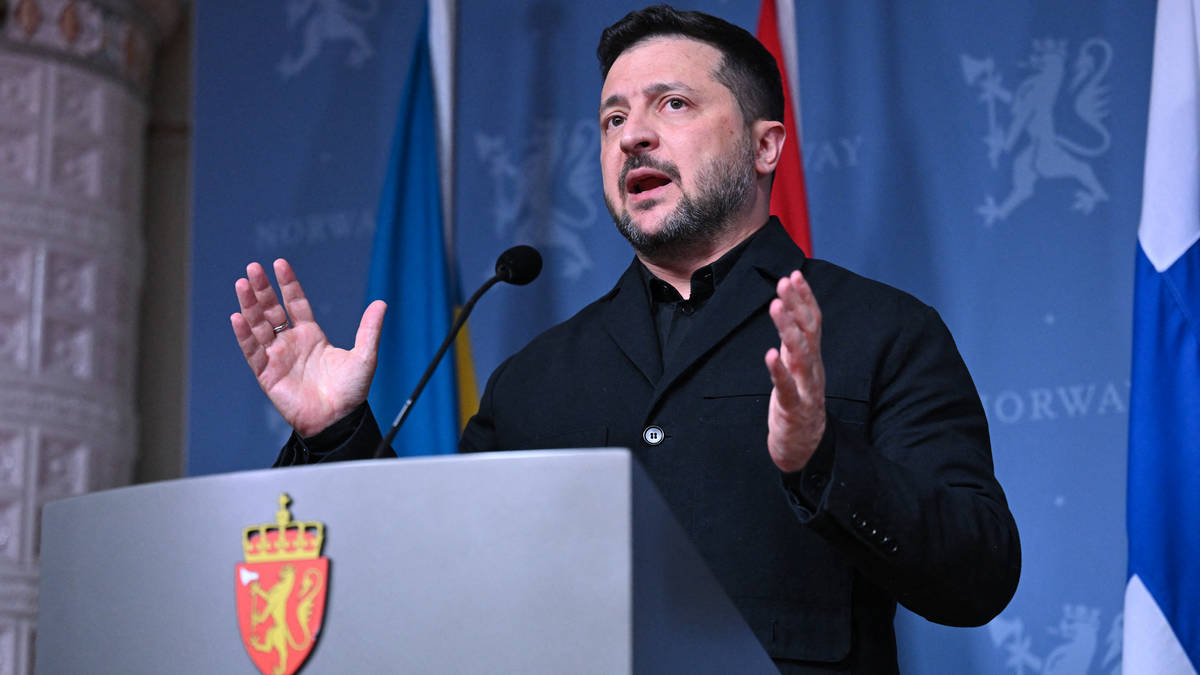
Trump’s remarks, made on Tuesday, 20 October, came hours after Zelenskyy’s meeting with senior U.S. Envoy Steve Witkoff in Oslo. The president said the United States and Europe had spent “a fortune” on Ukraine and that Europe was “tired of the war.” He added that Washington had received “nothing back other than high diesel.” The comments followed a diesel‑deal with Russian President Vladimir Putin that lifted U.S. Sanctions on Russian fuel exports and sparked accusations from Kyiv that Washington was effectively buying Russian oil to keep U.S. Gasoline prices down.
In Oslo, Zelenskyy and Witkoff reviewed several security guarantees set out in a draft document that will be presented to Russian officials on Wednesday, 21 October.
The meeting was described by Norwegian Prime Minister Jonas Gahr Støre as “good and constructive,” and Finnish President Alexander Stubb said the talks were “back on track.”
However, the restored intelligence was not the only point of contention. Zelenskyy accused the United States of limiting the speed of the military‑grade Starlink system, Starshield, which Ukraine uses to intercept Russian drones and missiles. He said the restrictions had “disrupted critical missions” and that the service had been “very painful.” SpaceX CEO Elon Musk replied that the limits were decided by the U.S. Military and ultimately the president, and that the company had no role in setting them.
At the same time, Zelenskyy demanded the delivery of Patriot interceptor missiles that had been purchased by European allies but were still awaiting U.S. Approval. He claimed that the Pentagon had delayed the shipment, and that the United States had threatened to halt intelligence sharing if Ukraine continued to strike Russian oil refineries. U.S. Secretary of State Marco Rubio denied any pause in intelligence sharing and said the United States was “helping” Ukraine. Trump also denied that the U.S. Had halted intelligence sharing, saying that the United States was “sharing intel” and that it wanted the war to end.
The dispute over Starshield and Patriot missiles has unfolded against a backdrop of escalating Russian attacks on Ukrainian infrastructure. Russian forces struck a crowded park in Nova Vodolaha, Kharkiv, killing six civilians, and later hit a heart centre in Kyiv, injuring one patient.
Amid the fighting, the United States has also threatened to suspend the Prioritized Ukraine Requirements List, a mechanism that enables European purchases of U.S. Weapons for Ukraine. Zelenskyy said that the United States had “nothing to do” with the restrictions on Starshield and that the United States had not deliberately withheld intelligence.
Meanwhile, Russian officials have rejected all ceasefire proposals and have continued to target Ukrainian energy infrastructure. Russian Foreign Minister Sergey Lavrov said the Kremlin would not pause its “special military operation” even during negotiations. Russian strikes on Kyiv’s energy infrastructure have left hundreds of thousands of people without power, and the Kremlin has reportedly ignored a U.S.‑promoted “energy ceasefire.”
Below is a comparison of the conflicting accounts of U.S. Intelligence sharing and Starshield restrictions, drawn from the sources.
| Issue | Zelenskyy’s Claim | U.S. Position |
|---|---|---|
| Intelligence sharing pause | Paused for three days before resuming | No pause; intelligence still shared |
| Starshield restrictions | Speed limits imposed, disrupting missions | Limits decided by U.S. Military; no intentional delay |
| Patriot missile shipment | Delayed, awaiting U.S. Approval | Shipment waiting for U.S. Defence Secretary’s signature; no deliberate withholding |
For readers following the rapidly evolving diplomatic and military developments, the timeline of key events is helpful:
- 20 Oct: Trump tells reporters Ukraine must make a deal; Zelenskyy confirms intelligence sharing resumed.
- 20 Oct: Oslo meeting between Zelenskyy and U.S. Envoy Steve Witkoff; draft security guarantees to be presented to Russia.
- 22 Oct: Russian attacks continue on Ukrainian energy infrastructure; Ukrainian forces hit Russian refineries.
With the Oslo draft on the table and the United States still debating the delivery of critical defense equipment, the next few days will be decisive for the future of U.S. Support for Ukraine and the prospects for a negotiated settlement with Russia. The international community watches closely as the two sides attempt to reconcile their differences amid a relentless war that has already claimed thousands of lives and devastated infrastructure.
How significant is this development?
Contribute your assessment to the aggregated reader sentiment ledger.
Frequently Asked Questions
Key questions answered in this reportWhat is the key development in: Trump Urges Ukraine to Make Deal as Zelensky Meets US Envoy in Oslo?
As President Trump urges a negotiated end to the war, President Zelenskyy meets U.S. Envoy Steve Witkoff in Oslo amid ongoing tensions over military aid and intelligence sharing.
Why is this Transport development significant for the UK?
This report covers critical events in our Transport beat. Independent reporting monitors related UK statements, regulatory shifts, and public responses as further verified details emerge.
How was this reporting corroborated and verified?
Newsarchy UK compiles and cross-references reporting from primary reporting from NBC News and cross-checked wire reports. All coverage adheres to published editorial standards.
When was this report published?
This briefing was published on October 20, 2026 and is permanently cataloged in the Newsarchy UK Transport archives.