Russia opens first polling stations for State Duma elections in Far East
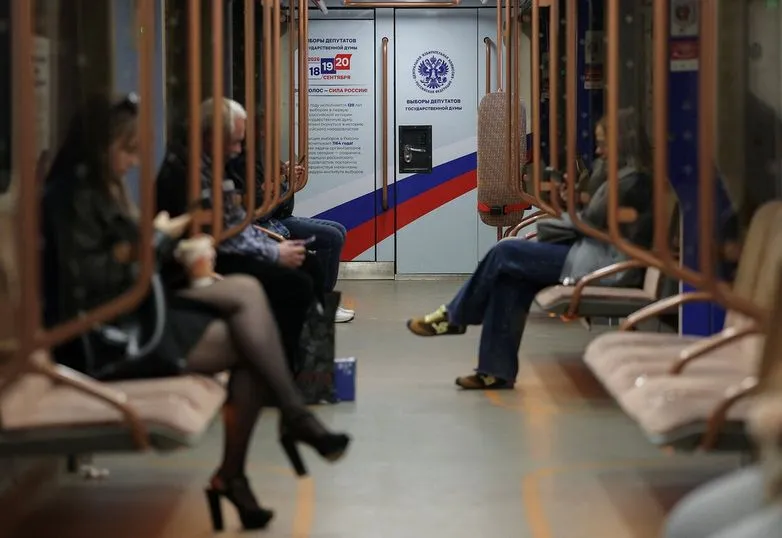
Russia has kicked off its three-day State Duma elections with polling stations opening in the easternmost regions of Kamchatka and Chukotka.
- Core Development: Russia has kicked off its three-day State Duma elections with polling stations opening in the easternmost regions of Kamchatka and Chukotka.
- Beat Context: Categorized under Transport with independent corroboration.
- Reporting Depth: 4 minute analytical read synthesized from verified newsroom sources.
Russia has opened its first polling stations for the State Duma elections, launching a three-day voting process across the easternmost regions of Kamchatka and Chukotka. According to reporting from Tass, permanent polling stations commenced operations at local time, with regional election commissions reporting significant registered voter figures and public monitoring deployments ahead of the single voting day window.
The elections encompass the ninth convocation of the State Duma, where 450 deputies will be chosen. Half of the seats are determined through party lists and the remaining half via single-member districts, as outlined by Ua.news. Ten parties are officially contesting the ballot, following a Supreme Court decision to revoke the registration of the Yabloko party's federal list over campaign and financing violations.
Media additions
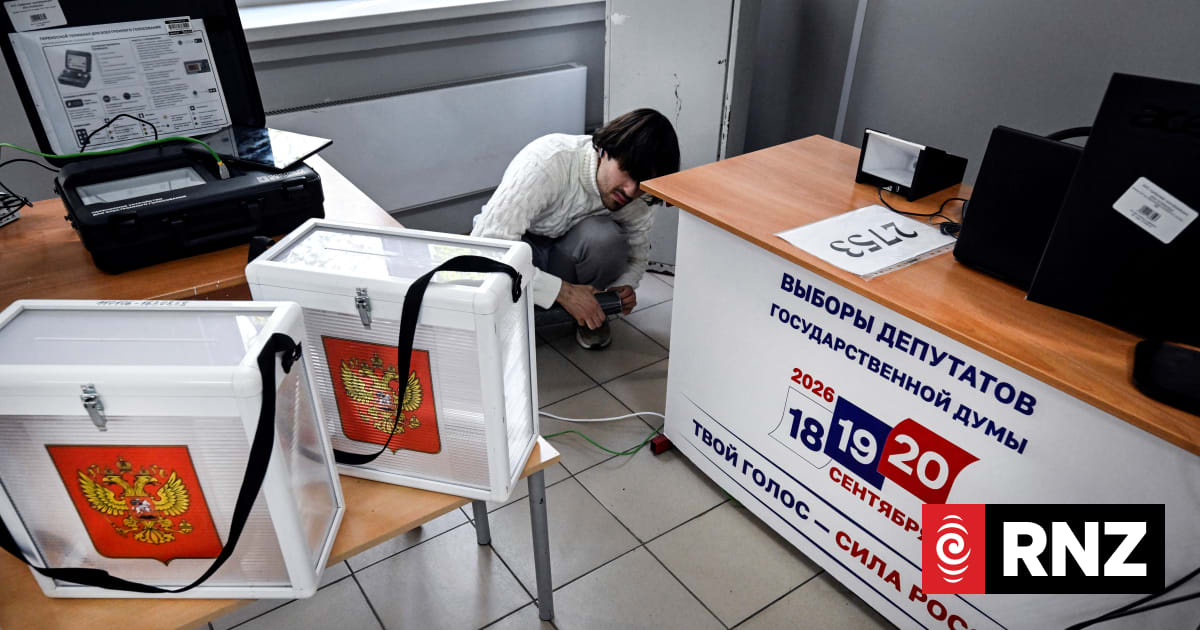
International and domestic observers note the context surrounding the vote. Rnz reports that the elections are taking place in the fifth year of the war with Ukraine, serving as a barometer for public sentiment. Authorities have also organised voting in the Donetsk, Luhansk, Zaporizhzhia, and Kherson regions, drawing condemnation from Ukraine and international critics who view the polls in occupied territories as illegitimate.
| Region | Permanent Polling Stations | Registered Voters / Early Votes |
|---|---|---|
| Kamchatka | 178 | 225,107 registered; ~12,000 early voters |
| Chukotka | 54 | ~5,000 early voters |
According to Tass, the first day of the three-day voting process began in Kamchatka and Chukotka, with 178 permanent polling stations opening in Kamchatka and 54 in Chukotka. Officials at the regional election commissions reported that 225,107 voters were registered in Kamchatka, where the peninsula's polling will be monitored by 385 public observers. Prior to the opening of permanent stations, early voting took place in remote and hard-to-reach areas, recording approximately 12,000 early voters in Kamchatka and about 5,000 in Chukotka, according to Tass.
Ua.news notes that additional early voting was organised for military personnel and people in areas where normal polling station operations are difficult to ensure. According to Russian election authorities, more than 11,500 people had voted early in Kamchatka, with about 5,100 voting at sea and approximately 6,500 on land. In Chukotka, local election commission figures cited by Ua.news indicate that more than 4,000 people cast early ballots, including geologists, meteorologists, reindeer herders, military personnel, and mining industry workers.
Following the opening in the Far East, voting in other regions proceeds across Russia's time zones. Tass details that polling stations in Sakhalin and the Magadan Region open one hour after Kamchatka and Chukotka, followed two hours later by the Maritime and Khabarovsk regions and the Jewish Autonomous Region. Voting then extends to the Amur Region, Transbaikalia, Yakutia, and Buryatia.
The single voting day window to elect lawmakers to the ninth Russian State Duma runs until September 20, 2026, according to Tass and Ua.news. For the first time ever, residents of the Donetsk and Lugansk People's Republics, as well as the Kherson and Zaporozhye Regions, are participating in legislative elections for the lower house of the Russian parliament, as reported by Tass. Ua.news adds that the Russian Central Election Commission decided in June to hold State Duma elections in those territories. The Verkhovna Rada of Ukraine adopted Resolution No. 16077 with 264 members of parliament voting to call on foreign states, international organizations, and parliamentary assemblies not to recognize the results of the elections in the temporarily occupied territories of Ukraine, as reported by Ua.news.
Ten political parties are taking part in the election, according to Tass: United Russia, the Communist Party of the Russian Federation (CPRF), the Liberal Democratic Party of the Russian Federation (LDPR), New People, A Just Russia - For Truth, the Party of Pensioners for Social Justice, the Communists of Russia, Rodina, the Party of Direct Democracy, and the Greens Ecological Party. Ua.news notes that eleven parties were initially registered on the federal ballot before the Russian Supreme Court revoked the registration of the Yabloko party's federal list over campaign and intellectual property financing violations. Yabloko challenged the decision and appealed to the Russian Constitutional Court in September without overturning the exclusion, according to Ua.news and Rnz. Rnz reports that Yabloko had called for an end to fighting and that one of its main figures, Lev Shlosberg, was imprisoned for criticising the war.
Rnz notes that the elections are taking place in the fifth year of the war with Ukraine, serving as a barometer for public sentiment as the conflict continues. Russian President Vladimir Putin called on citizens to participate in the vote to demonstrate support for the military and state policy, according to media reports cited by Ua.news and Rnz. Meanwhile, exiled opposition figures have called on anti-Kremlin Russians to vote against the ruling party or participate in coordinated protest voting, while Yabloko chairman Nikolay Rybakov argued against participation during a party meeting in Saint Petersburg, according to Rnz.
What happens next depends on the conclusion of the three-day voting process, which runs until September 20, 2026, when the final results for the 450 seats in the ninth State Duma are determined.
How significant is this development?
Contribute your assessment to the aggregated reader sentiment ledger.
Frequently Asked Questions
Key questions answered in this reportWhat is the key development in: Russia opens first polling stations for State Duma elections in Far East?
Russia has kicked off its three-day State Duma elections with polling stations opening in the easternmost regions of Kamchatka and Chukotka.
Why is this Transport development significant for the UK?
This report covers critical events in our Transport beat. Independent reporting monitors related UK statements, regulatory shifts, and public responses as further verified details emerge.
How was this reporting corroborated and verified?
Newsarchy UK compiles and cross-references reporting from primary reporting from UA.NEWS and cross-checked wire reports. All coverage adheres to published editorial standards.
When was this report published?
This briefing was published on September 17, 2026 and is permanently cataloged in the Newsarchy UK Transport archives.