Russian Satellites Track Iranian Missile Targets, Ukraine Claims
Ukrainian intelligence assessments allege that Russian reconnaissance satellites systematically tracked Middle Eastern military and energy targets shortly before they were struck by Iran.

- Core Development: Ukrainian intelligence assessments allege that Russian reconnaissance satellites systematically tracked Middle Eastern military and energy targets shortly before they were struck by Iran.
- Beat Context: Categorized under Transport with independent corroboration.
- Reporting Depth: 3 minute analytical read synthesized from verified newsroom sources.
Ukrainian intelligence assessments have laid bare a troubling pattern of coordination, alleging that Russian reconnaissance satellites have systematically tracked potential military and energy targets in the Middle East just days before those same locations were struck by Iranian ordnance.
The findings, which draw on an intelligence file reviewed by international investigators, place renewed scrutiny on the technological assistance flowing between Moscow and Tehran as conflicts across multiple regions continue to escape to the east.
Media additions

According to those familiar with the intelligence, orbital passes concentrated heavily on strategic infrastructure, including sites tied to American and allied missile defence systems.
The disclosures arrive amid a volatile backdrop of overlapping military crises that stretch from the Persian Gulf to the borders of the European Union.
While Western intelligence agencies have previously pointed to satellite intelligence sharing and the transfer of jamming-resistant guidance technology—such as the Kometa-M systems used in upgraded loitering munitions—Moscow has consistently denied any direct hand in directing Tehran's strikes.
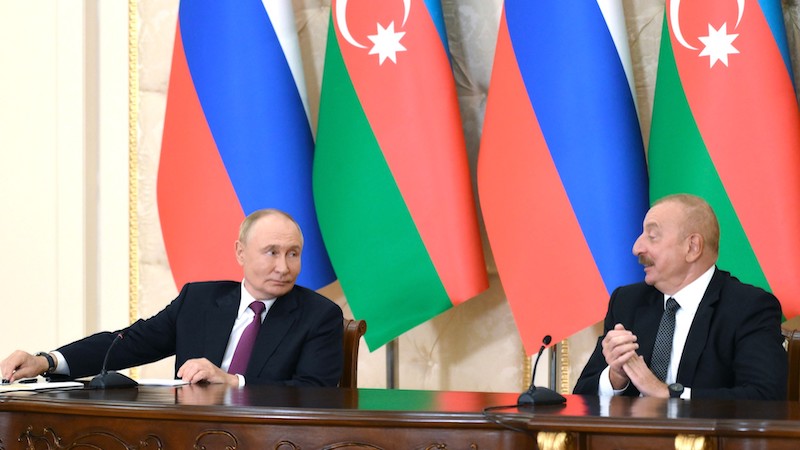
The diplomatic friction was on stark display when senior officials batted away shouted questions from reporters regarding orbital tracking allegations on the sidelines of international gatherings.
At the same time, the war in Ukraine has spilled over with alarming frequency into the territory of neighbouring NATO allies.
Polish authorities temporarily closed airports and scrambled fighter jets as military operations intensified along the frontier.
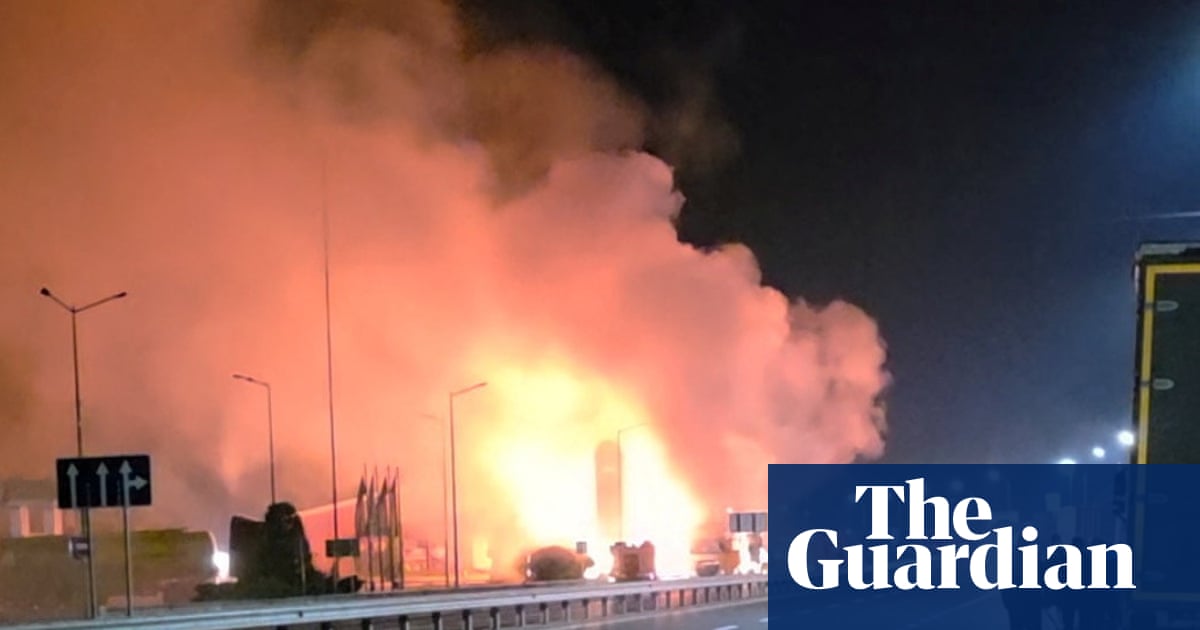
The precautionary measures followed a series of alarming border incidents, including a daytime drone strike that hit a railway engine near the border crossing.
Rail operators noted that diplomatic transports carrying high-profile figures had passed through the area shortly before the explosions occurred, prompting sharp warnings from regional leaders about the growing peril to neighbouring states.
| Incident / Region | Reported Event | Primary Actor / Response |
|---|---|---|
| Middle Eastern Corridor | Reconnaissance satellite passes over coalition and energy sites | Tracked by Ukrainian intelligence prior to Iranian strikes |
| Poland-Ukraine Border | Explosions near border crossings and passenger train strike | Polish military scrambles jets; airports temporarily closed |
| Baltic Sea | Flares fired at surveillance helicopter | Danish aircraft targeted by Russian frigate |
| Lithuanian Airspace | Drone intrusion and interception near Pratkūnai | Neutralised by bomb-disposal experts |
The widening security footprint has also drawn in Baltic nations, where air defense units and crisis management centres responded to persistent aerial intrusions.
Officials in Lithuania confirmed that an explosive-laden drone crossed its airspace before being neutralized near populated reservoirs.
Meanwhile, maritime tensions flared in the Baltic Sea, where a Danish air force helicopter was targeted with flares while conducting photographic surveillance of a Russian warship.
European Commission leadership characterised these occurrences as part of an expanding pattern of aggressive provocations designed to test continental readiness.
As intelligence services examine whether external satellite guidance explains the precision behind recent attacks on diplomatic and intelligence-linked facilities in the Middle East, energy markets have reacted sharply to the ongoing disruptions in critical shipping lanes like the Strait of Hormuz.
How significant is this development?
Contribute your assessment to the aggregated reader sentiment ledger.
Frequently Asked Questions
Key questions answered in this reportWhat is the key development in: Russian Satellites Track Iranian Missile Targets, Ukraine Claims?
Ukrainian intelligence assessments allege that Russian reconnaissance satellites systematically tracked Middle Eastern military and energy targets shortly before they were struck by Iran.
Why is this Transport development significant for the UK?
This report covers critical events in our Transport beat. Independent reporting monitors related UK statements, regulatory shifts, and public responses as further verified details emerge.
How was this reporting corroborated and verified?
Newsarchy UK compiles and cross-references reporting from primary reporting from WTKR and cross-checked wire reports. All coverage adheres to published editorial standards.
When was this report published?
This briefing was published on September 17, 2026 and is permanently cataloged in the Newsarchy UK Transport archives.