Talks to be held in attempt to avert first series of Tube driver strikes
Negotiators are meeting at ACAS to avert planned 24-hour Tube driver strikes over contentious Transport for London four-day working week proposals.

Last-ditch talks are scheduled to avert a series of planned Tube driver walkouts that threaten widespread disruption across the capital's transport network.
The core of the dispute centers on Transport for London proposals to introduce a four-day working week for London Underground drivers. Members of the Rail, Maritime and Transport union are set to walk out for twenty-four hours from noon on Thursday, according to reporting by Yahoo News UK. Both sides are due to meet at the conciliation service ACAS.
Media additions


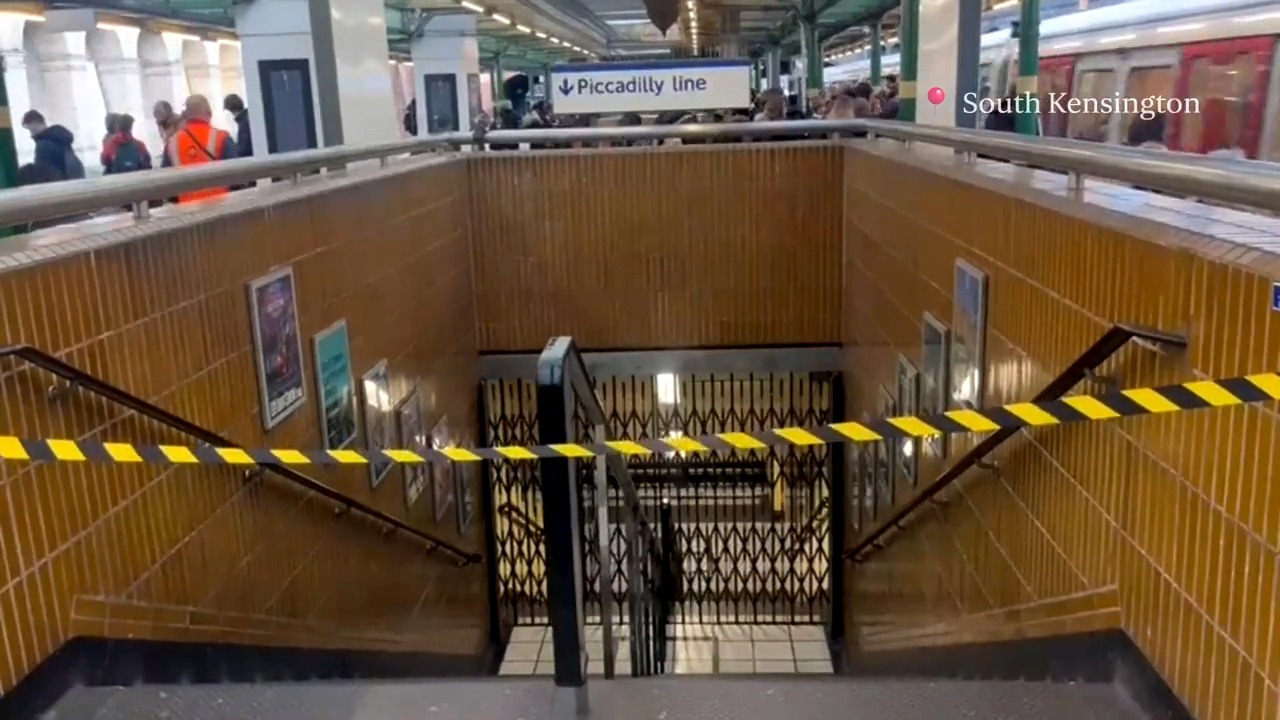
The industrial action follows previous travel disruption across the capital, including a snap strike held by the Transport Salaried Staffs’ Association that shut down the Piccadilly line and impacted the District line. That earlier action stemmed from a separate dispute over the sacking of a union member in a control room, drawing sharp criticism from politicians over walkouts prompted by a small number of votes.
The RMT union argues that the proposed four-day working week is far from voluntary and amounts to an attack on long-standing conditions. RMT general secretary Eddie Dempsey stated:
The union contends that drivers face increased fatigue, longer and more unpredictable shifts, and pressure to surrender negotiated agreements."London Underground is attempting to dress up a wholesale attack on drivers’ working conditions as a voluntary four-day week. But there is nothing voluntary about a scheme that forces drivers to give up existing protections whether they work four days or five, and threatens those who refuse with displacement from their depots."
Eddie Dempsey, RMT general secretary, via Morning Star
Transport officials strongly reject these claims. Nick Dent, director of customer operations for London Underground, maintained that management has engaged with trade unions for months. According to TfL, drivers can choose to remain on a traditional five-day week with a guarantee of staying at their current depot, offering a meaningful choice without altering work locations. TfL insists the changes will reduce fatigue and improve work-life balance, while critics maintain the compressed schedules risk safety in a critical role.
The RMT's stance has created a divide among rail unions. The rival Aslef union has fully backed the reforms, welcoming them as a beneficial move for members. Finn Brennan, Aslef’s full-time organiser on London Underground, expressed surprise at the RMT's opposition, calling the voluntary arrangement an opportunity for workers to gain extra time off through modernized rostering systems.
| Union / Body | Ststance on Four-Day Week | Proposed Action |
|---|---|---|
| RMT Union | Opposed; cites fatigue, safety risks, and lost protections | Eight 24-hour strikes planned |
| Aslef Union | Supported; views it as a positive modernization | Working normally; opposing strikes |
| Transport for London | Proposing voluntary scheme with 5-day opt-out | Engaging in ACAS conciliation talks |
If Tuesday's negotiations fail to break the deadlock, commuters face a rolling schedule of disruption over the coming months. Transport for London has warned that while alternative services such as the Elizabeth line, DLR, London Overground, buses, and trams will run as normal, they are expected to experience significantly higher passenger volumes. Passengers have been advised to check journey planners before setting out.
Upcoming Strike Schedule
- Thursday: First 24-hour walkout begins at midday
- December 17 and 19
- January 4 and 6
- February 17, 23, and 25
What happens next depends entirely on the outcome of the conciliation meetings. Unless negotiators bridge the gap at ACAS, the first wave of strikes will commence at noon on Thursday, initiating months of potential travel delays across the network.