US Embassy warns Americans in France of violence, curfews amid nationwide strike
The US Embassy in Paris has issued a security alert warning American citizens in France of potential violence, transit disruptions, and curfews amid a nationwide strike.
- Core Development: The US Embassy in Paris has issued a security alert warning American citizens in France of potential violence, transit disruptions, and curfews amid a nationwide strike.
- Beat Context: Categorized under Transport with independent corroboration.
- Reporting Depth: 5 minute analytical read synthesized from verified newsroom sources.
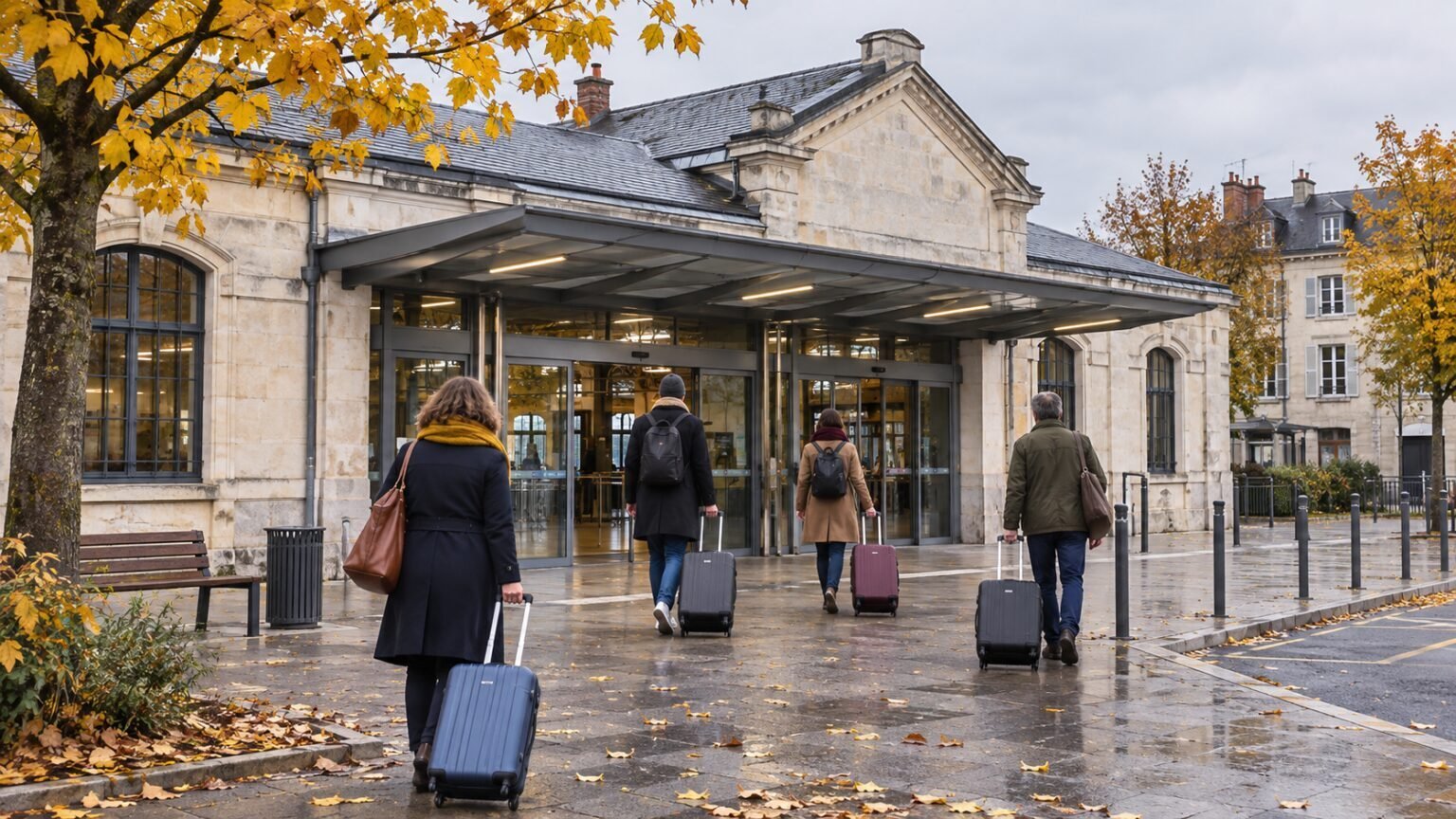
On Thursday, 5 November 2026, the U.S. Embassy in Paris issued a security alert that warned Americans in France of a nationwide strike that could trigger violence, curfews and major transport disruptions. The message sent a stark reminder that the country’s growing unrest—already disrupting schools, hospitals and the rail network—could spill over into the daily lives of visitors and residents alike.
The alert, first issued on 4 November and updated on 5 November, was prompted by a multi‑sector walk‑out that was expected to begin in the evening of 4 November and continue through the weekend. The strike involves teachers, health‑care workers, government employees and public‑transport workers, according to the embassy’s statement. It is part of a broader conflict over wages, pensions and public‑service funding that has intensified since the student protests in late September.
Media additions


Unions across the country are demanding higher wages, improved working conditions and increased funding for public services. The four largest railway unions have called for a joint national strike, a move that raises concerns that the protests could spill into areas beyond the planned routes. The strike is expected to hit major transport hubs, including the Paris Metro, RER lines and intercity trains, and could lead to curfews in several cities.
In Paris, the capital’s public‑transport operator RATP announced that eight metro stations would close on the morning of 5 November at the police’s request for security reasons. The stations affected are Concorde, Assemblée Nationale, Invalides, Madeleine, Charles de Gaulle‑Étoile, Champs‑Elysées‑Clemenceau, Franklin D. Roosevelt and George V. These closures are subject to police authorization and could be extended if the situation deteriorates.
| Metro Station |
|---|
| Concorde |
| Assemblée Nationale |
| Invalides |
| Madeleine |
| Charles de Gaulle‑Étoile |
| Champs‑Elysées‑Clemenceau |
| Franklin D. Roosevelt |
| George V |
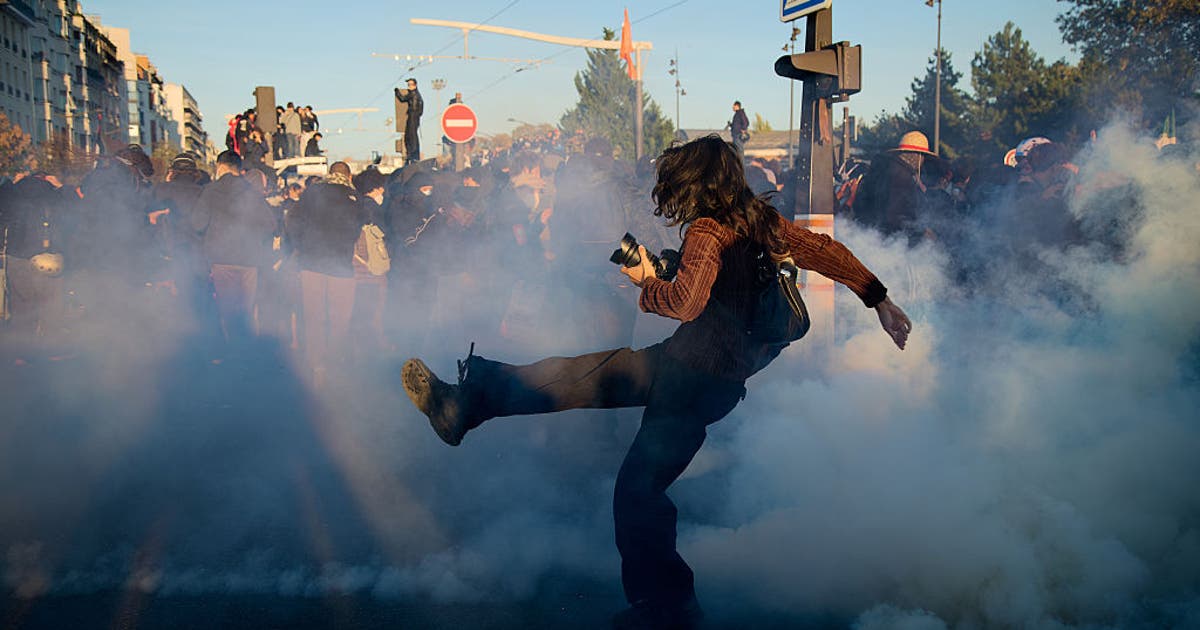
Police reports from the weekend of 31 October show that the protests turned violent in several locations. In Paris, clashes erupted at Porte de Charenton, where several officers were injured by “explosive and incendiary” devices. The Ministry of the Interior said that tear gas, water cannons and batons were used to control the crowds, and that a police officer had been injured by a thrown object.
Curfews have already been imposed on short notice in some areas. Local officials in Paris and surrounding neighbourhoods announced curfews that restrict movement and access to public landmarks, including the Louvre, Place de la République and Place de la Bastille. The curfews could be extended into the night and may be imposed on a city‑by‑city basis with little advance notice.
The embassy’s alert also warned that the demonstrations could spread beyond the planned routes, especially as the strike involves railway unions that could disrupt the national rail network. The U.S. Embassy advised Americans to avoid protests and large gatherings, and to monitor local news for curfew updates and transportation changes. Travelers were urged to check with airlines, SNCF and RATP for real‑time updates and to allow extra time for journeys.
While the U.S. Department of State keeps France on a Level 2 “Exercise increased caution” advisory, the embassy’s alert is specifically tailored to the domestic situation. The Level 2 advisory remains in force because of the risk of terrorism and civil unrest, but it does not factor in the immediate threat posed by the nationwide strike. The embassy’s message is a reminder that the situation can change rapidly and that visitors should be prepared to adjust plans on short notice.
The unrest in France has not only affected transport and public services; it has also had a ripple effect on tourism. Major attractions in Paris, including the Louvre, Musée d’Orsay, Picasso Museum and Grand Palais, were closed on the day of the protests.
In addition to transport and tourism, the strike is expected to impact schools and hospitals. The French Ministry of Education reported that a large number of schools were closed or unable to operate because of student blockades, and that teachers were on strike. Hospitals were also affected, with some medical staff participating in the walk‑out.
Travelers planning to visit France in the coming weeks should prepare for possible disruptions. The U.S. Embassy recommends registering with the Smart Traveler Enrollment Program so that alerts and safety messages can be delivered quickly by email or text during a major incident. It also advises Americans to keep a low profile around political events, to avoid large crowds, and to maintain backup plans if a particular neighbourhood becomes difficult to access.
Below is a timeline of the key events that have shaped the current situation:
- 31 October – Mass march in Paris; clashes erupt at Porte de Charenton; 1 000 arrests reported.
- 4 November – U.S. Embassy issues security alert for 5 November strike.
- 5 November – Nationwide strike begins; RATP closes eight metro stations; curfews imposed in several cities.
- 5 November – Violent protests continue in Lyon and Marseille; high‑school blockades spread across the country.
For those who are already in France, the embassy’s advice is clear: stay informed, monitor local media, and be ready to adapt. For travellers who have not yet booked their trip, the situation remains fluid. While the U.S. Embassy has not issued a travel ban, the Level 2 advisory and the embassy’s alert together suggest that visitors should weigh the risks before proceeding.
Travel agencies and airlines are already adjusting their schedules. Some flight carriers have announced that they will monitor the situation closely and may cancel or reschedule flights that would be impacted by the strike or curfew. Similarly, SNCF has advised passengers to check the SNCF Voyageurs website for real‑time updates on train services.
As the strike continues into the weekend, the U.S. Embassy will likely issue further updates. Americans staying in France should keep a close eye on the embassy’s website and the U.S. Department of State’s travel advisory page for any new information. The embassy’s latest alert on 5 November serves as a reminder that the situation is still evolving and that the safest course is to stay alert, stay flexible and stay away from large gatherings.
How significant is this development?
Contribute your assessment to the aggregated reader sentiment ledger.
Frequently Asked Questions
Key questions answered in this reportWhat is the key development in: US Embassy warns Americans in France of violence, curfews amid nationwide strike?
The US Embassy in Paris has issued a security alert warning American citizens in France of potential violence, transit disruptions, and curfews amid a nationwide strike.
Why is this Transport development significant for the UK?
This report covers critical events in our Transport beat. Independent reporting monitors related UK statements, regulatory shifts, and public responses as further verified details emerge.
How was this reporting corroborated and verified?
Newsarchy UK compiles and cross-references reporting from primary reporting from TravelPirates and cross-checked wire reports. All coverage adheres to published editorial standards.
When was this report published?
This briefing was published on November 5, 2026 and is permanently cataloged in the Newsarchy UK Transport archives.