El Nino study warns of nearly half a million heat deaths worldwide
A severe super El Nino weather event is driving record global heat that researchers warn could cause hundreds of thousands of additional deaths.
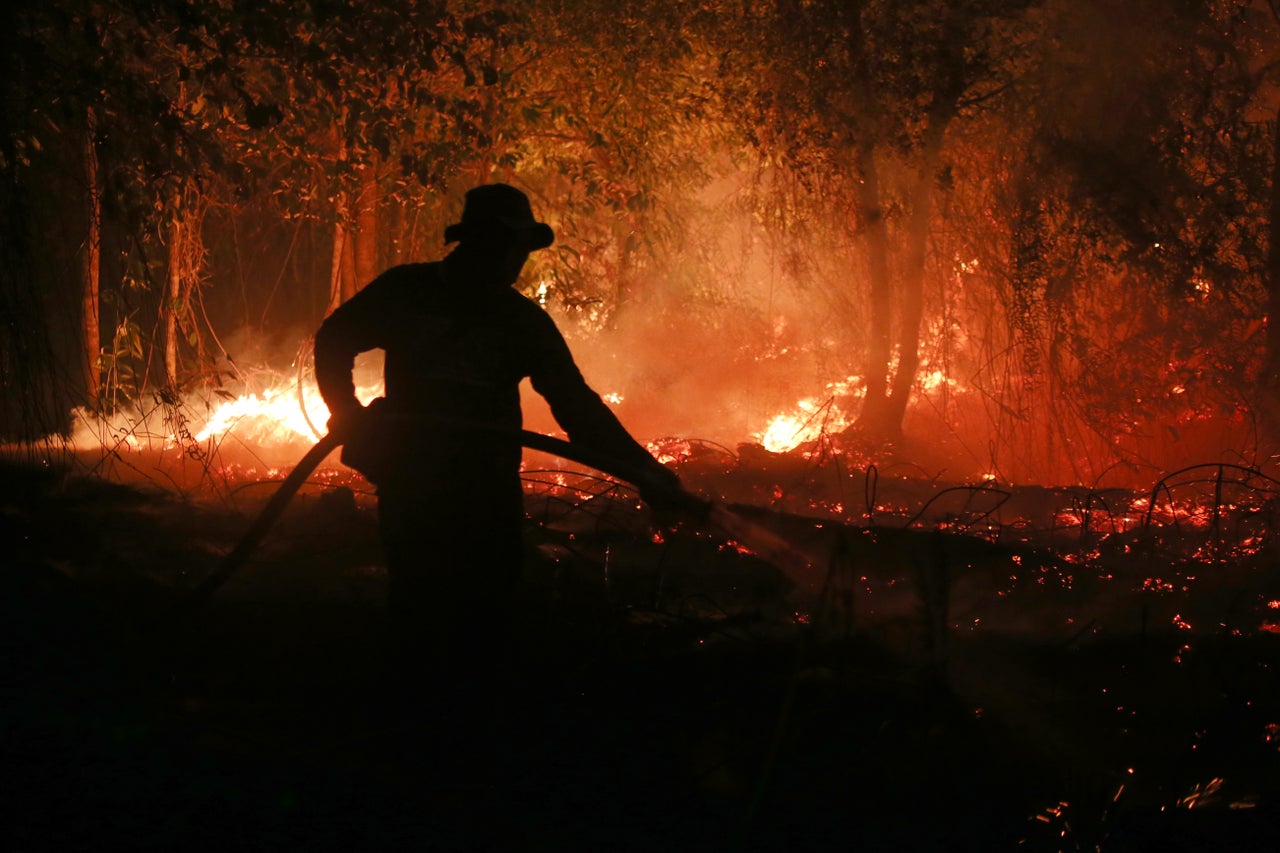
- Core Development: A severe super El Nino weather event is driving record global heat that researchers warn could cause hundreds of thousands of additional deaths.
- Beat Context: Categorized under Weather with independent corroboration.
- Reporting Depth: 5 minute analytical read synthesized from verified newsroom sources.
A severe "super" El Niño weather event taking shape over the Pacific Ocean is driving record global heat that could cause nearly half a million additional heat-related deaths worldwide, according to a stark new report. Researchers warn that the phenomenon, supercharged by human-powered climate change, will have a brutal knock-on effect across all continents, with death tolls potentially soaring as the system persists. As global temperatures rise and heatwaves become longer, hotter, and more frequent, public health burdens are escalating rapidly, prompting urgent calls for preparation from international scientists, government bodies, and weather forecasters alike.
The comprehensive report, published by the Climate Impact Lab based at the University of Chicago, calculates that up to 451,000 extra heat-related deaths could be linked to the El Niño phenomenon, according to reporting by Aol. While one reporting stream highlights the cumulative toll over several months, specific projections cited by AOL UK indicate that 239,000 of those lives could be lost in the initial phase alone, with death tolls continuing to climb as the system impacts the northern hemisphere heading into 2027.
Media additions


| Region / Country | Projected Extra Heat-Related Deaths | Primary Source Context |
|---|---|---|
| Sahel region, Africa | 66,800 | Climate Impact Lab report via AOL |
| Philippines, Vietnam, Thailand, Cambodia | 19,400 | Climate Impact Lab report via AOL |
| Indonesia | 19,300 (or over 10,000 depending on reporting bracket) | Climate Impact Lab reports |
| India | 15,800 (or over 10,000) | Climate Impact Lab reports |
| Brazil | 13,300 (or over 10,000) | Climate Impact Lab reports |
| Nigeria | High impact (specific totals noted in regional brackets) | University of Chicago forecasts |
| Sudan & Democratic Republic of the Congo | More than 10,000 each | University of Chicago forecasts |
The heaviest burden will fall squarely on less affluent nations in the global south that are already grappling with food insecurity and high energy costs. Michael Greenstone, a co-founder of the Climate Impact Lab and co-author of the study, explained that individuals living in already hot regions face severe danger from temperature spikes. Wealthier regions generally possess greater access to air conditioning, reliable water supplies, and functioning health systems, whereas vulnerable populations lack these critical buffers.
Global land temperatures during this El Niño could rise by about 1.2 degrees Celsius, producing roughly 44 per cent more extremely hot days than a typical year. Researchers describe these anomalous conditions as a "postcard from the future," mirroring what a harsher climate crisis may make entirely common within two decades. Independent experts have largely supported these projections. Christopher Callahan of Indiana University Bloomington noted to *The New Scientist* that the relationship between heat and mortality is consistent and reliable globally. However, he cautioned that because the study measures only direct heat deaths, the true toll will likely grow once El Niño's influence on wildfires, infectious disease, and flooding is factored in.
Abhiyant Tiwari, a heat expert at NRDC India, emphasized that having well-designed heat-action plans is not the same as having the funding and capacity to implement them effectively. The report urges governments to establish robust heat-warning systems, cooling centres, hydration stations, outdoor worker protections, expanded hospital capacity, and anticipatory financing to move resources ahead of dangerous heat peaks. World Meteorological Organization (WMO) Secretary-General Celeste Saulo warned that the exceptional El Niño demands an exceptional response, noting that disruption and devastation from droughts and floods are already intensifying.
Meanwhile, the atmospheric shockwaves of the Pacific event are reaching far beyond tropical latitudes. Reporting by SSBCrack highlights that Pacific Ocean temperatures have surged significantly above the thirty-year average, leading forecasters to describe the current climate disruption as a "Godzilla-level" event, with some assessments pointing toward the strongest El Niño in a millennium. The Met Office has noted that complex atmospheric connections will significantly influence north-western Europe, driving a wetter, stormier season for the UK alongside potential cold snaps later in the winter.
In response to these warnings, UK authorities and public entities have urged residents to prepare for extreme weather extremes, encompassing both hot summers and severe winter storms. Supply chain strategy experts and nutrition scientists have advised the public to bolster personal resilience by maintaining essential food reserves and water supplies. Angela Eagle has underscored the importance of building food reserves, alongside overseeing improvements in agricultural practices and developing new reservoir projects. Concurrently, the National Audit Office has raised concerns regarding vulnerabilities in Britain's food supply chain, criticizing over-reliance on private sector services to manage potential disruptions.
As the weather phenomenon continues to evolve, attention turns toward the coming months when the system is projected to peak. Communities worldwide must navigate mounting environmental pressures while public health officials monitor the unfolding humanitarian impact.
What to watch next
- Late Year Peak: Forecasters anticipate the El Niño system will reach its peak intensity towards the end of the year, amplifying global temperature anomalies.
- 2027 Temperature Highs: Scientific models indicate that secondary impacts and lingering atmospheric disruptions will persist well into 2027, potentially making it the hottest year ever recorded.
- UK Emergency Preparedness: Local authorities, including the London Assembly, continue urging public entities and residents to heed weather warnings and maintain essential supplies ahead of severe winter storms and subsequent seasonal shifts.
How significant is this development?
Contribute your assessment to the aggregated reader sentiment ledger.
Frequently Asked Questions
Key questions answered in this reportWhat is the key development in: El Nino study warns of nearly half a million heat deaths worldwide?
A severe super El Nino weather event is driving record global heat that researchers warn could cause hundreds of thousands of additional deaths.
Why is this Weather development significant for the UK?
This report covers critical events in our Weather beat. Independent reporting monitors related UK statements, regulatory shifts, and public responses as further verified details emerge.
How was this reporting corroborated and verified?
Newsarchy UK compiles and cross-references reporting from primary reporting from SSBCrack and cross-checked wire reports. All coverage adheres to published editorial standards.
When was this report published?
This briefing was published on September 24, 2026 and is permanently cataloged in the Newsarchy UK Weather archives.


