Campi Flegrei tremor of magnitude 2.6 hits Pozzuoli and Naples
A fresh magnitude 2.6 earthquake struck the Campi Flegrei volcanic region near Pozzuoli and Naples, rattling residents amid ongoing bradyseismic activity.
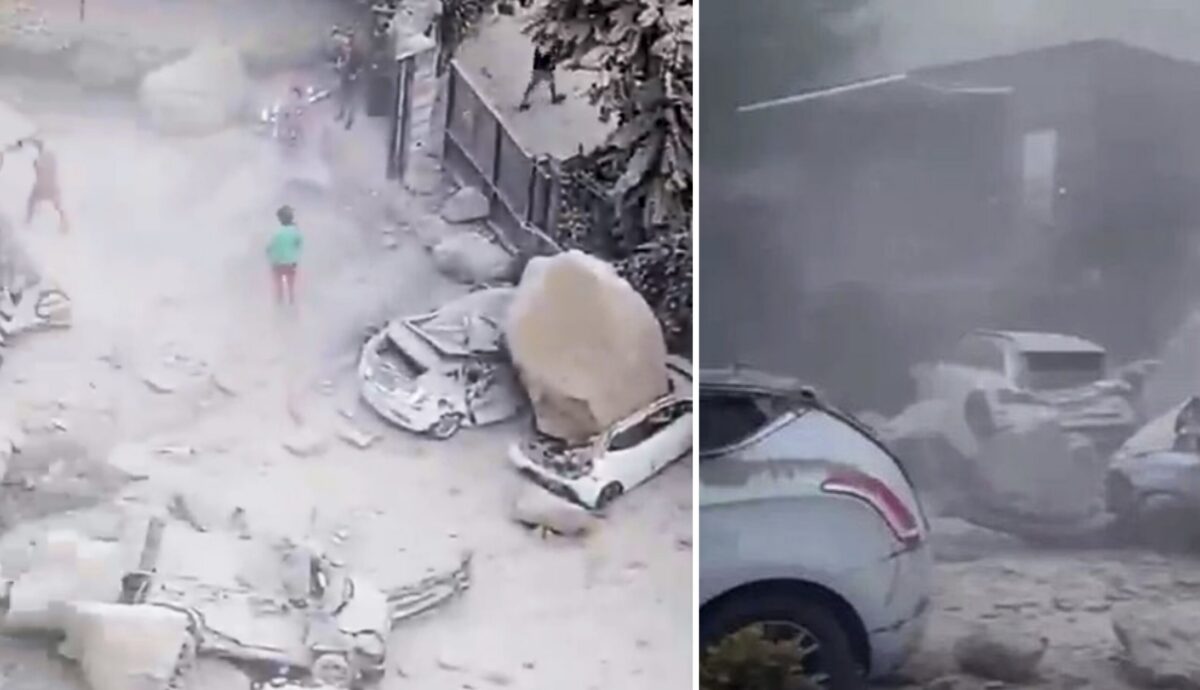
A fresh magnitude 2.6 tremor struck the Campi Flegrei volcanic region, rattling residents and highlighting ongoing bradyseismic risks across the area, according to reports. The latest seismic event occurred on 13/11/2026 at 08:22 local time, according to data provided by the Municipality of Pozzuoli following communications from the Vesuvius Observatory, an operational section of the National Institute of Geophysics and Volcanology. Located near Contrada Pisciarelli in the Solfatara area of Pozzuoli, the tremor struck at a depth of 2.99 km. Residents near the epicenter reported hearing a distinct roar accompanying the shaking. The ground movement was felt clearly beyond Pozzuoli, reaching Quarto and the western Naples districts of Bagnoli and Fuorigrotta.
This activity forms part of a much broader, long-term pattern of ground deformation in the region. Campi Flegrei is a massive volcanic caldera rather than a single cone, sitting roughly 25 kilometres from Mount Vesuvius across the Bay of Naples, according to reporting by Euro Weekly News. Years of steady ground uplift — known as bradyseism — have been driven by underground fluid pressure, producing frequent swarms of small earthquakes that threaten the densely populated risk zone. While smaller magnitude tremors like the recent 2.6 event are frequent, larger seismic episodes have occurred during the ongoing phase of ground movement.
Media additions
The wider geological context includes even more powerful historical events recorded during the ongoing phase of ground movement around Pozzuoli. A powerful 4.7 magnitude earthquake struck the Campi Flegrei volcanic area west of Naples late on a Friday evening, sending people pouring into the streets and leaving some buildings crumbling beyond repair, as reported by Euro Weekly News on 31/07/2026. Recorded at 7.46pm local time, that tremor sat just three kilometres below the surface and ranks as the most intense recorded since the latest phase of ground movement started around Pozzuoli. Residents across Naples and nearby towns felt that shake clearly, with many describing a long, rolling motion that rattled windows, set alarms off, and caused rolling boulders to crush cars in the streets. Power cuts hit several neighbourhoods and the island of Procida during that July event, while local rail and metro lines, including the Cumana and Circumflegrea routes, stopped running so engineers could check the tracks. Fire crews received reports of falling plaster, cracked walls, and one section of façade that dropped onto parked cars in Pozzuoli. Four people suffered injuries during the July event, all treated and released without serious concern, while at least ten smaller aftershocks followed, the strongest around magnitude 2.6.
| Event Date | Magnitude | Epicenter / Location | Depth | Notable Impacts |
|---|---|---|---|---|
| 31 Jul 2026 | 4.7 | Campi Flegrei, west of Naples | 3 km | Crushed cars from boulders, power cuts, minor injuries, suspended rail lines (Euro Weekly News) |
| 13 Nov 2026 | 2.6 ± 0.3 | Contrada Pisciarelli, Solfatara, Pozzuoli | 2.99 km | Roar heard by residents, felt in Quarto, Bagnoli, and Fuorigrotta (Adnkronos) |
Volcanic activity and seismic unrest remain closely monitored by Italy’s National Institute of Geophysics and Volcanology and national Civil Protection units, who continue tracking subterranean pressures to safeguard local populations and historic antiquities. Civil Protection Minister Nello Musumeci previously confirmed injury counts during larger earthquake swarms and noted that crews were actively assessing homes and places of worship, while local mayors urged calm while inspections carried on. Although research suggests Campi Flegrei and Mount Vesuvius may share a deep magma source, making it doubly important to monitor pressure movements to protect citizens and the priceless antiquities of Pompeii and Herculaneum, the official line from the Italian government stresses that recent tremors fit the pattern of volcano-tectonic activity linked to the rising ground, with no change in the current yellow alert level announced.
Further updates and surveys of buildings and infrastructure are expected as local leaders maintain their steady message: stay alert, follow official advice, and wait for the latest checks to finish.