Florida researchers discover first dark magic mushroom with toxins and psychedelics
Researchers have identified the world's first known dark magic mushroom, a fungus that combines deadly liver toxins with psychedelic compounds.
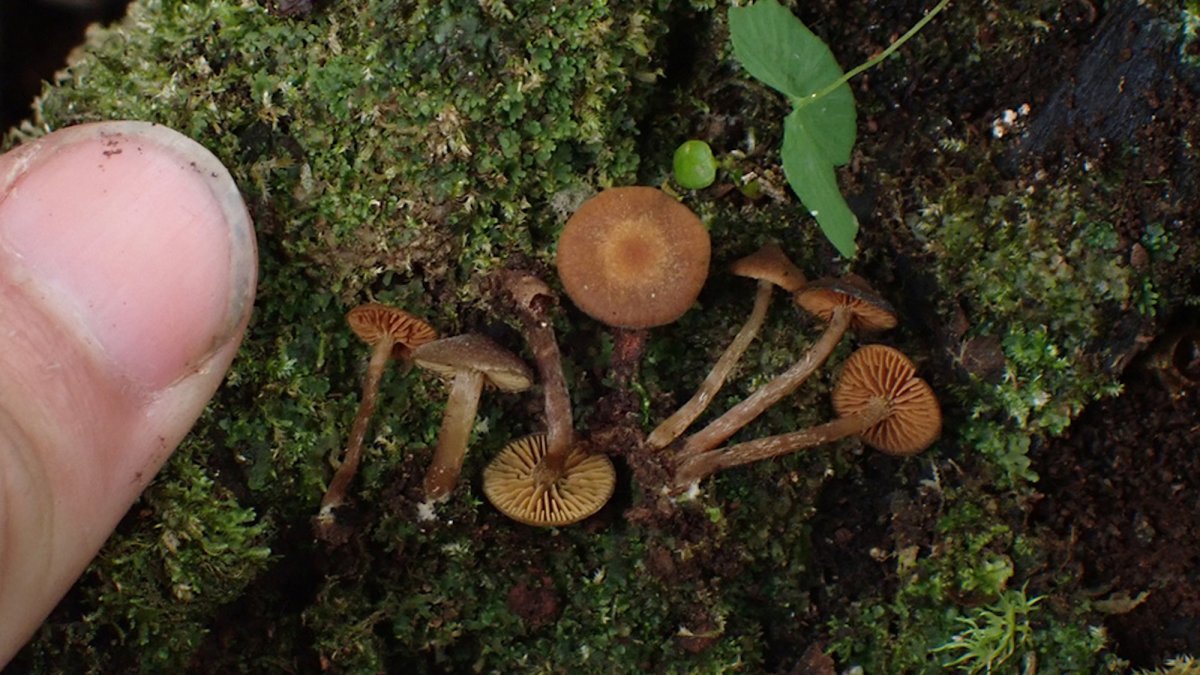
Researchers have identified the world's first known dark magic mushroom, a tiny fungus that upends traditional mycology by combining deadly liver toxins with psychedelic compounds.
For generations, the scientific community operated under a rigid dichotomy regarding fungi. Mushrooms either contained psilocybin, the naturally occurring Schedule I controlled substance capable of inducing hallucinations, or they harbored deadly amatoxins responsible for severe and fatal poisonings worldwide. According to reporting from Popsci, no single species had ever been documented carrying both chemical toolkits simultaneously.
Media additions


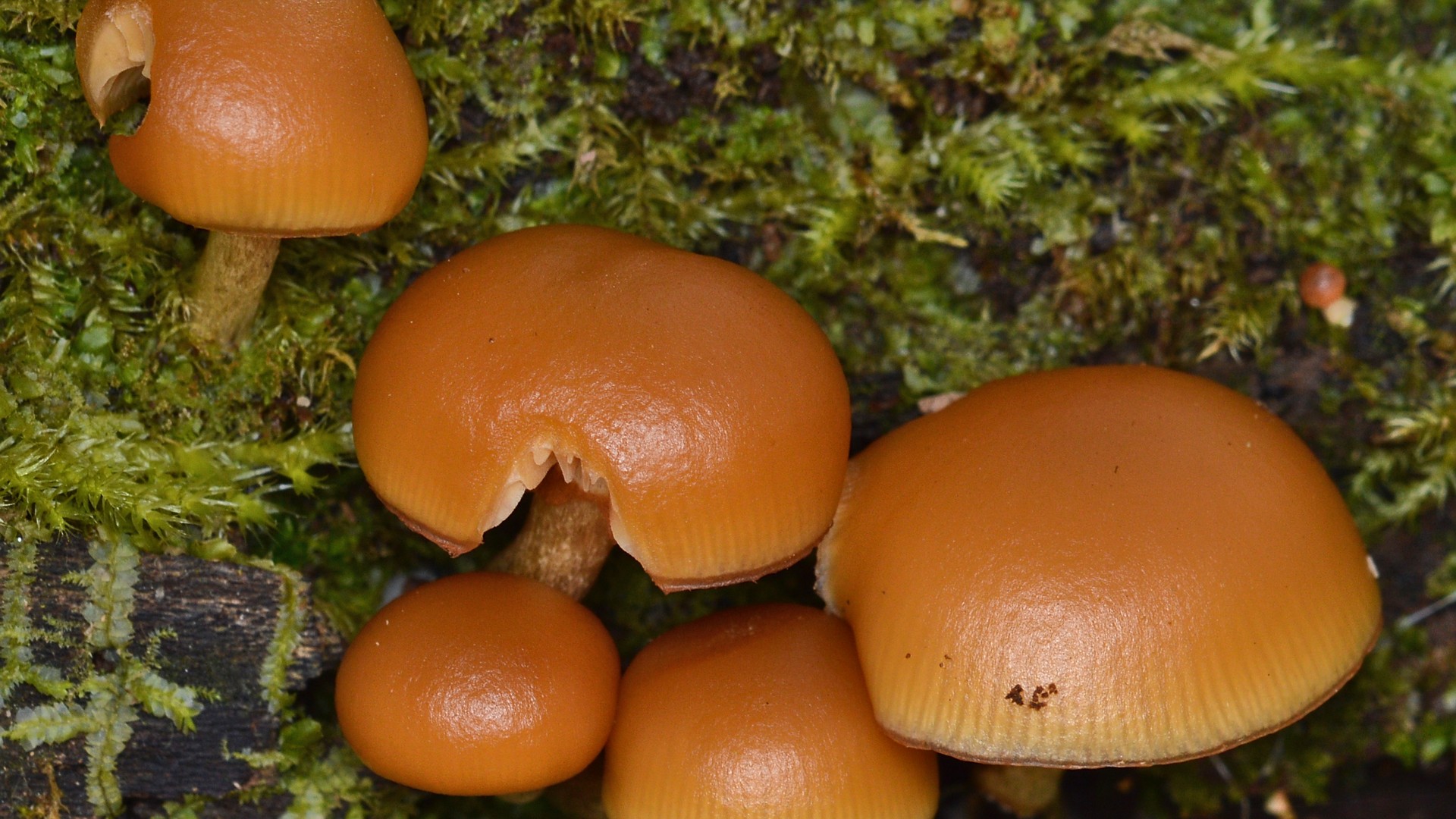
That paradigm shifted when researchers at the University of Florida Institute of Food and Agricultural Sciences (UF/IFAS) began investigating whether understudied Florida mushrooms within the genus Galerina contained undocumented amatoxins. As detailed by Bocaratontribune, Andrew Kunik, then an undergraduate student working in the laboratory of professor and state mycologist Matthew E. Smith, collected an unusual specimen while documenting fungi at the UF/IFAS Ordway Swisher Biological Station. Additional collections across the southeastern United States yielded further specimens.
The resulting peer-reviewed study was published in the journal Current Biology on November 11, 2026, as noted by Miragenews. The newly analyzed species has been identified as Galerina indica and quickly dubbed the dark magic mushroom, per accounts from Martincid. Visually, the fungus matches the description of countless innocuous woodland organisms.
"These mushrooms are really hard to find. They are small and brown, like hundreds of other mushroom species. It’s hard to differentiate from others, even for a trained expert."
Matthew E. Smith, University of Florida, via University of Florida
Adding to the potential confusion for foragers, the mushroom stains blue when handled. As reported by Martincid, this color change is typically interpreted by amateur pickers as the signature of a safe psychedelic species due to the presence of psilocin, but in Galerina indica, that comforting visual cue sits directly atop a liver-wrecking toxin family.
The chemical analysis revealed a remarkable cocktail. According to Martincid, mass spectrometry confirmed that every tested sample contained psilocybin, its close relative psilocin, and two amatoxins. One of these amatoxins proved entirely new to science and was named alpha-proamanitin. While missing a single oxygen-hydrogen group compared to the classic death cap killer alpha-amanitin, researchers stress that it remains toxic, even if lab tests suggest it may block vital cellular enzymes more weakly.
The evolutionary history behind this dual chemistry is equally baffling. Collaborating with researchers including Bryn Dentinger from The University of Utah and Jason Slot from Ohio State University, the team sequenced the mushroom's genome. They discovered that the genes responsible for producing the compounds likely entered the genus through horizontal gene transfer—a process where genetic material moves sideways between distantly related organisms.
"Horizontal gene transfer is like if we shook hands and some of my DNA incorporated into your genome. Two independent horizontal gene transfer events for these specialized metabolites in one mushroom genus are unheard of."
Bryn Dentinger, University of Utah and Natural History Museum of Utah, via Miragenews
Scientists remain uncertain why a single organism would produce both weapons. As highlighted by Martincid, leading hypotheses include a stacked defense system against foraging animals or nematodes, though researchers emphasize that the true ecological advantage remains unproven.
| Research Phase / Milestone | Reported Timing / Detail | Source Attribution |
|---|---|---|
| Initial Discovery | Specimen spotted in Florida wetlands | UF/IFAS & Martincid |
| Preprint Release | Findings posted publicly in July 2026 | Martincid |
| Peer-Reviewed Publication | Published in Current Biology on November 11, 2026 | Miragenews & The University of Utah |
Future work will focus on testing the functional role of these genes in nature. Researchers plan to attempt knocking out the production genes for one compound or the other to observe how the fungus responds. Meanwhile, specimens gathered during the research have been deposited into the permanent collection at the Natural History Museum of Utah for ongoing study, ensuring that this bizarre chapter in mycology remains open for future scientific inquiry.